When a blank canvas becomes a conversation
Art psychotherapist Yoh Hao Xin explains how visual art can become a tool for expression, reflection and healing.
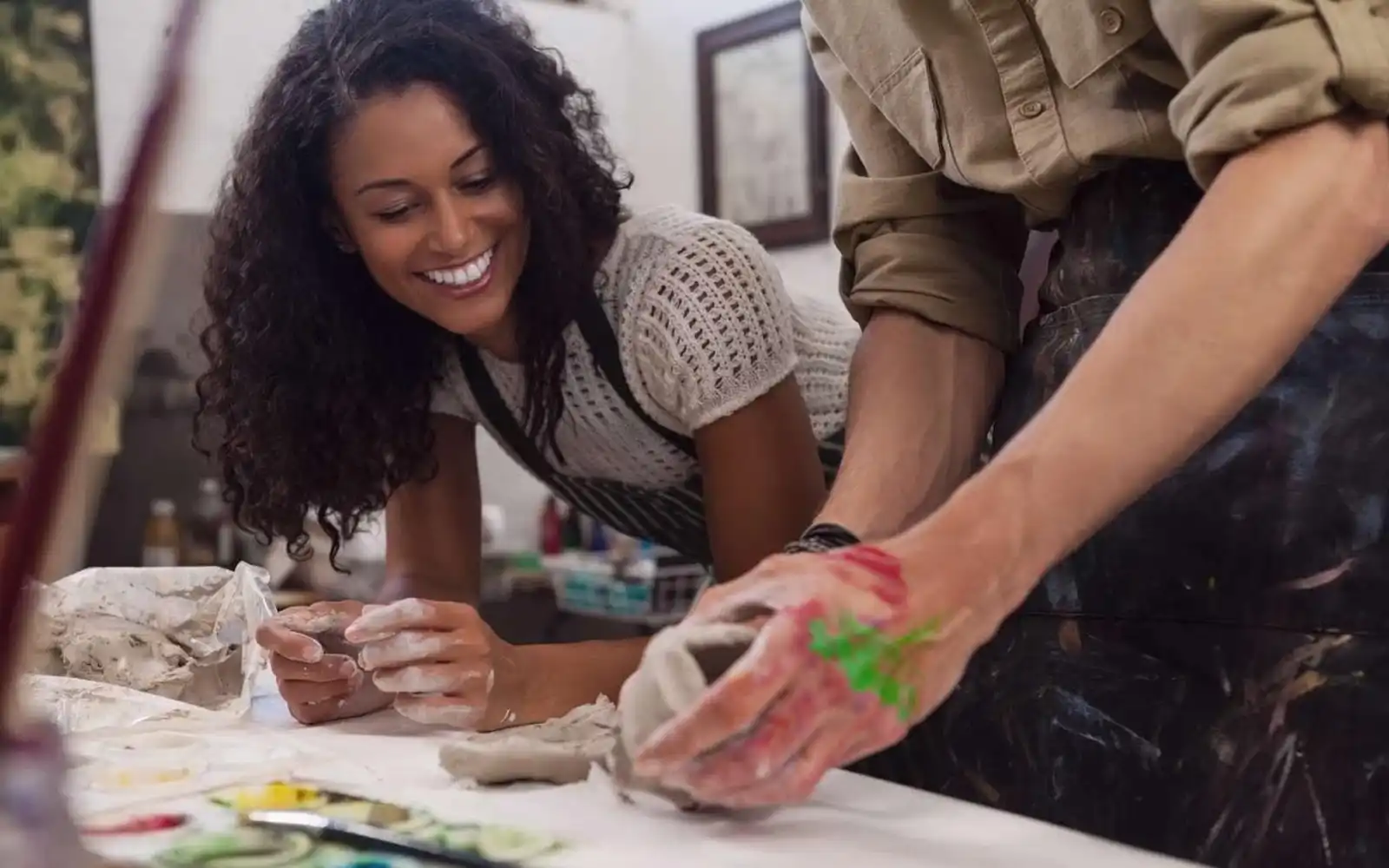
Art psychotherapy, a niche field in Malaysia, combines counselling with visual art to help individuals explore thoughts and feelings that may be difficult to express verbally. Yoh Hao Xin, a registered art psychotherapist, found her calling after discovering the power of creative expression as a way to process emotions. Trained in London, she now works with children, teenagers, and adults in the Klang Valley, using a variety of art forms to support mental health.
A common misconception is that clients must be artistic, but this is not the case. Sessions typically last around 90 minutes and may involve a prompt or theme before transitioning between art-making and conversation. Art therapy can help clients communicate difficult emotions, process grief, and build coping skills. For those with special needs, even simple activities like playing with slime can provide therapeutic benefits.
Yoh observes how clients approach the creative process, noting factors such as the materials chosen and their level of engagement. She emphasizes that the therapist's role is to help clients explore their own associations and interpretations, rather than imposing their own. This approach allows for gradual progress and understanding, even when words alone may be insufficient. Ultimately, art psychotherapy empowers clients to reclaim agency over their emotional experiences, leading to personal growth and healing.
Written by urgent.news from Free Malaysia Today's reporting — not their text. Machine-written — may contain errors; check the original before relying on it.
This story
This is one outlet's version. Read the fullest account.
- When a blank canvas becomes a conversation freemalaysiatoday.com