When a blank canvas becomes a conversation
Art psychotherapist Yoh Hao Xin explains how visual art can become a tool for expression, reflection and healing.
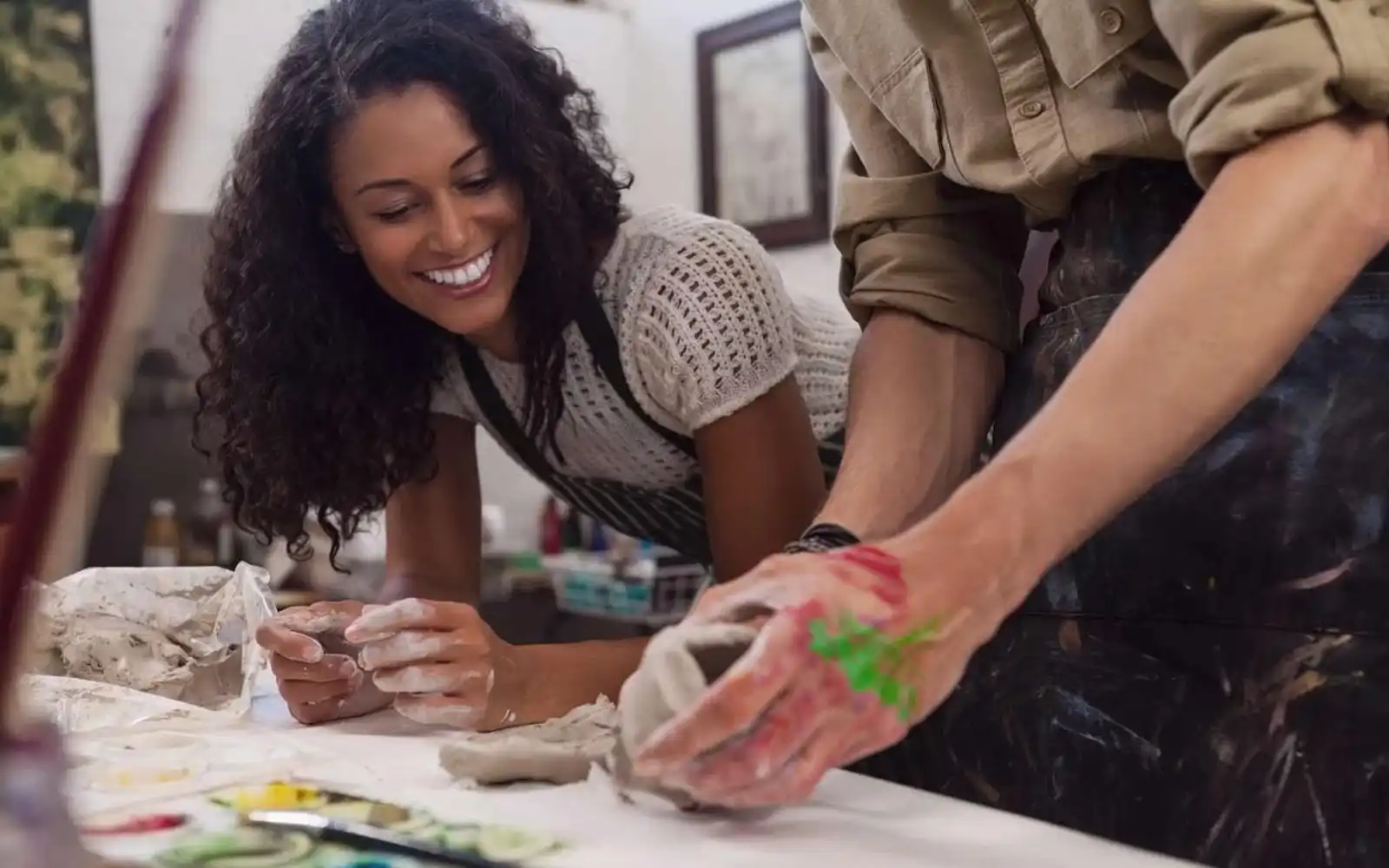
Art psychotherapy is a unique form of counselling that utilizes creative expression to help individuals explore their thoughts and emotions. In Malaysia, this field is still relatively unknown, and the idea of using art as a tool for therapy may seem unusual to some. However, for Yoh Hao Xin, a registered art psychotherapist, it has been a transformative journey. With a background in psychology and a passion for art, Yoh discovered art psychotherapy while searching for a profession that combined both of her interests.
Initially, she completed a bachelor's degree in psychology, followed by working at a center for children with special needs. There, she saw firsthand how those with limited speech could express themselves through various mediums. Intrigued, Yoh later discovered expressive arts therapy, which incorporates music, play, dance, and visual art.
She trained in art psychotherapy in London and returned to Malaysia, where she now offers both online and in-person sessions to children, teenagers, and adults dealing with anxiety, grief, trauma, neurodivergence, medical conditions, and relationship difficulties.
A common misconception about art therapy is that clients need to be artistic. Yoh emphasizes that this is not the case. The focus is not on the technical quality of the artwork but rather on the process and the insights it can provide. Sessions typically last around 90 minutes and do not follow a fixed template. Instead, Yoh may offer a simple prompt or theme before moving between art-making and conversation.
Tears are a normal part of the therapeutic experience, as clients often confront difficult emotions during these sessions. For children with special needs, even simple activities like playing with slime can provide a sensory outlet. The therapist may use various exercises, such as drawing lines on a page, to encourage clients to connect with their emotions and communicate them in a new way.
Yoh observes how clients approach the act of making art, noting their preferences in terms of materials, starting techniques, and the size of their workspace. Even the choice of materials can offer insights into a person's emotional state. For example, fluid materials like clay and watercolor may provide a sense of freedom, while more resistive materials like colored pencils may indicate a desire for structure and control.
Art psychotherapy can be particularly beneficial when someone is struggling with something but cannot identify what it is, or when discussing the issue directly feels challenging or triggering. This is especially true when working with trauma, where finding the right words can itself become a hurdle. Ultimately, the process of art psychotherapy empowers individuals by allowing them to gradually reclaim their agency and make sense of their experiences.
Even if the final product is temporary, messy, or unfinished, the insights gained from the creative process can continue to unfold long after the paint has dried.
Written by urgent.news from Free Malaysia Today's reporting — not their text. Machine-written — may contain errors; check the original before relying on it.
Also reported by 1 other outlet
- When a blank canvas becomes a conversation freemalaysiatoday.com