What to know about the trial of former Tiananmen vigil organisers before a verdict
What to know about the trial of former Tiananmen vigil organizers before a verdict
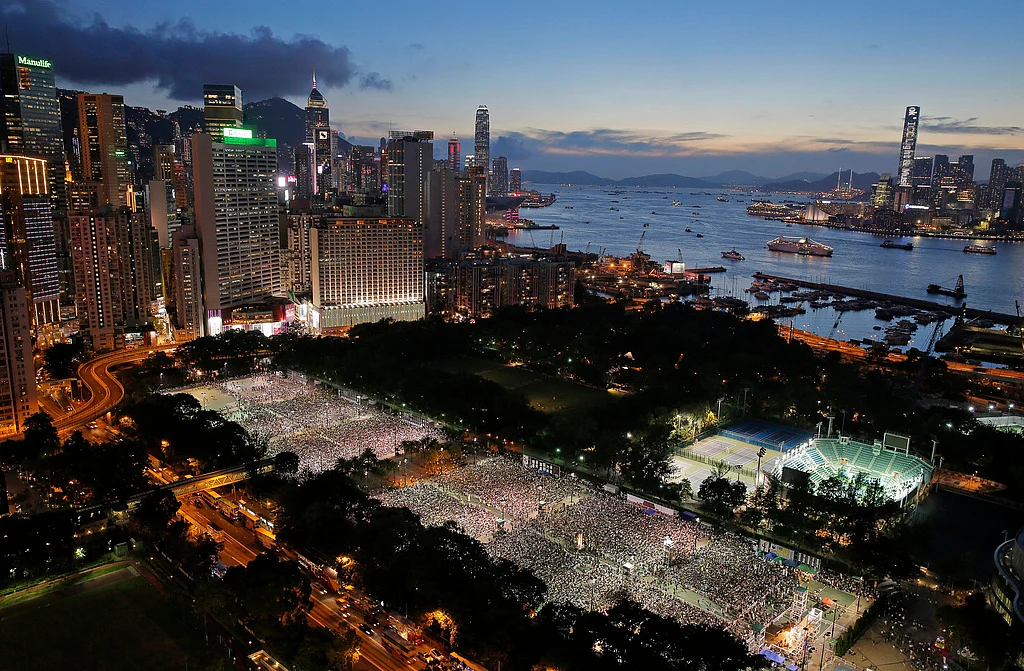
A verdict is anticipated on Friday in the case of two former leaders of a Hong Kong vigil to commemorate the 1989 Tiananmen Square massacre who are being tried under a China-imposed national security law. Lee Cheuk-yan and Chow Hang-tung face a potential 10-year prison sentence if found guilty. The activists denied the charges when their trial began in January and are scheduled to appear in court on Friday. If convicted by the three government-approved judges, sentencing may be decided at a later time.
The vigil, organized by the now-defunct Hong Kong Alliance in Support of Patriotic Democratic Movements of China, was one of the largest public commemorations in China, drawing tens of thousands of participants annually until it was banned in 2020 due to the COVID-19 pandemic. The activists' prosecution is seen as a representation of the dwindling freedoms that Beijing had promised to uphold when Hong Kong returned to Chinese rule in 1997.
The government maintains that its enforcement actions were evidence-based and strictly in line with the law.
The 1989 pro-democracy protests in Beijing's Tiananmen Square were a significant challenge to the Communist Party's rule, with troops opening fire on students and killing hundreds, if not thousands. While the vigil in Hong Kong held annual memorials to keep the memory alive, authorities banned the public remembrances during the pandemic. Weeks after the ban, Beijing introduced the national security law, which was later utilized to prosecute the two activists.
In the Lee and Chow trial, prosecutors alleged that they incited others to use unlawful methods to overthrow China's fundamental system and central political bodies, including calls for "ending one-party rule." The defense argued that the slogan was about moving towards democracy and not seeking illegal means. Chow, a barrister who defended herself, warned that if the court fails to regulate the reasonable effects of their statements, it could be seen as complicit in the crimes committed by those in power.
Written by urgent.news from Gulf News's reporting — not their text. Machine-written — may contain errors; check the original before relying on it.