Walmart store workers get new job amid AI rollout: Correcting its mistakes
Walmart employees are reportedly correcting artificial intelligence mistakes in stores. AI assistants are assigning tasks and monitoring workers through the MyWalmart app. Some workers find the AI misses necessary context for real-world store operations. Safety alerts generated by AI also require additional employee verification. Walmart states employee feedback is crucial for improving these new…
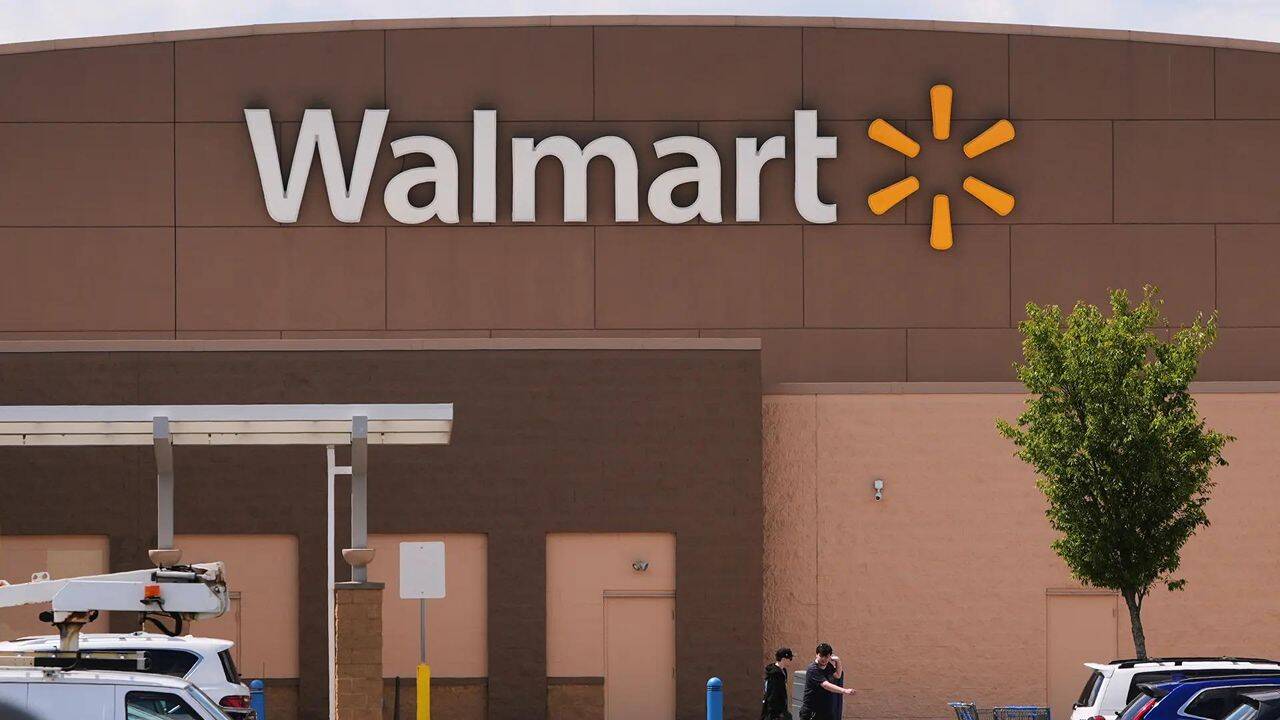
Walmart employees are stepping up with a new task amid the retailer's expansion of artificial intelligence (AI) tools in stores. The company has been rolling out AI assistants that assign tasks and monitor store workers via the MyWalmart app. However, workers have expressed concerns about the AI systems' limitations in understanding the nuances of store operations. Some AI-generated tasks have been found to lack context, leading to inaccurate task times, irrelevant safety alerts, and unrealistic performance expectations.
A store-level HR manager stated that an AI task-assigning agent assumes perfection in every task without any context. Despite the issues, Walmart emphasizes that employee feedback is crucial for improving the tools, and workers are not penalized for not following the technology guidance.
Store workers can receive tasks and targets through the MyWalmart app on company-provided phones. The system is designed to help associates plan their shifts and can learn work patterns. Elizabeth Nigh, an asset protection manager in Wisconsin, noted that AI-generated task lists can assist workers who would otherwise wait for a manager to assign work.
However, AI-generated task lists may not always account for the steps involved in completing tasks. Restocking shelves, for example, involves checking expiration dates, removing damaged products, and cleaning spills. The HR manager mentioned that her store does not punish employees when AI-generated performance metrics do not align with actual work practices.
An online fulfilment worker expressed difficulties in matching AI-projected times for picking general merchandise orders, as the suggested routes sometimes take workers through different areas of the store. Additionally, Walmart's Spark delivery service has introduced a "smart path" feature that directs delivery drivers to collect frozen products early in their shifts, creating extra time and energy demands for workers.
Walmart's AI safety alerts have also posed challenges for workers. The system, which monitors store safety through security cameras and sensors, can flag issues like spills or refrigerators operating outside safe temperature ranges. However, some workers receive numerous irrelevant alerts on their personal phones, leading them to ignore them.
Brooks Forrest, Walmart's vice president for associate tools, explained that stores have flexibility in using the AI technology, and the company does not punish employees for not following the guidance. Forrest added that Walmart conducts regular visits to stores and holds listening sessions to understand how the tools perform in real-world settings, ensuring the technology ultimately serves the needs of the employees.
Written by urgent.news from Times of India's reporting — not their text. Machine-written — may contain errors; check the original before relying on it.