UPSC Mains Answer Practice — GS 2: India’s push for UNSC’s non-permanent seat and BRICS on environmental governance (Week 168)
UPSC Mains Answer Practice — GS 2: India’s push for UNSC’s non-permanent seat and BRICS on environmental governance (Week 168)
India seeks to strengthen its diplomatic influence by campaigning for a non-permanent seat on the United Nations Security Council (UNSC) for the 2028-29 term. The non-permanent membership signifies significance not only for India’s national interests but also for the broader Global South’s push for a more representative global order.
India’s campaign for the UNSC seat underscores the importance of diplomatic weight in coalition-building among member states. In the context of the current UNSC composition that reflects international realities from 1945, India’s push for a non-permanent seat is essential for bolstering the Global South’s voice within the UN system.
India’s involvement in peacekeeping and multilateral institutions makes the UNSC membership pivotal for shaping international reactions to issues that directly impact India’s national security and interests, such as terrorism, cross-border security challenges, and regional conflicts.
The quest for the UNSC non-permanent seat can be viewed as a stepping stone towards attaining a permanent seat and comprehensive UNSC reforms. India has long advocated for an expansion in both permanent and non-permanent membership, arguing that the current structure no longer represents today’s geopolitical realities. Securing a non-permanent seat would enable India to enhance its diplomatic clout and make a compelling case for permanent membership, aligning with the ongoing global push for a more representative and inclusive UN.
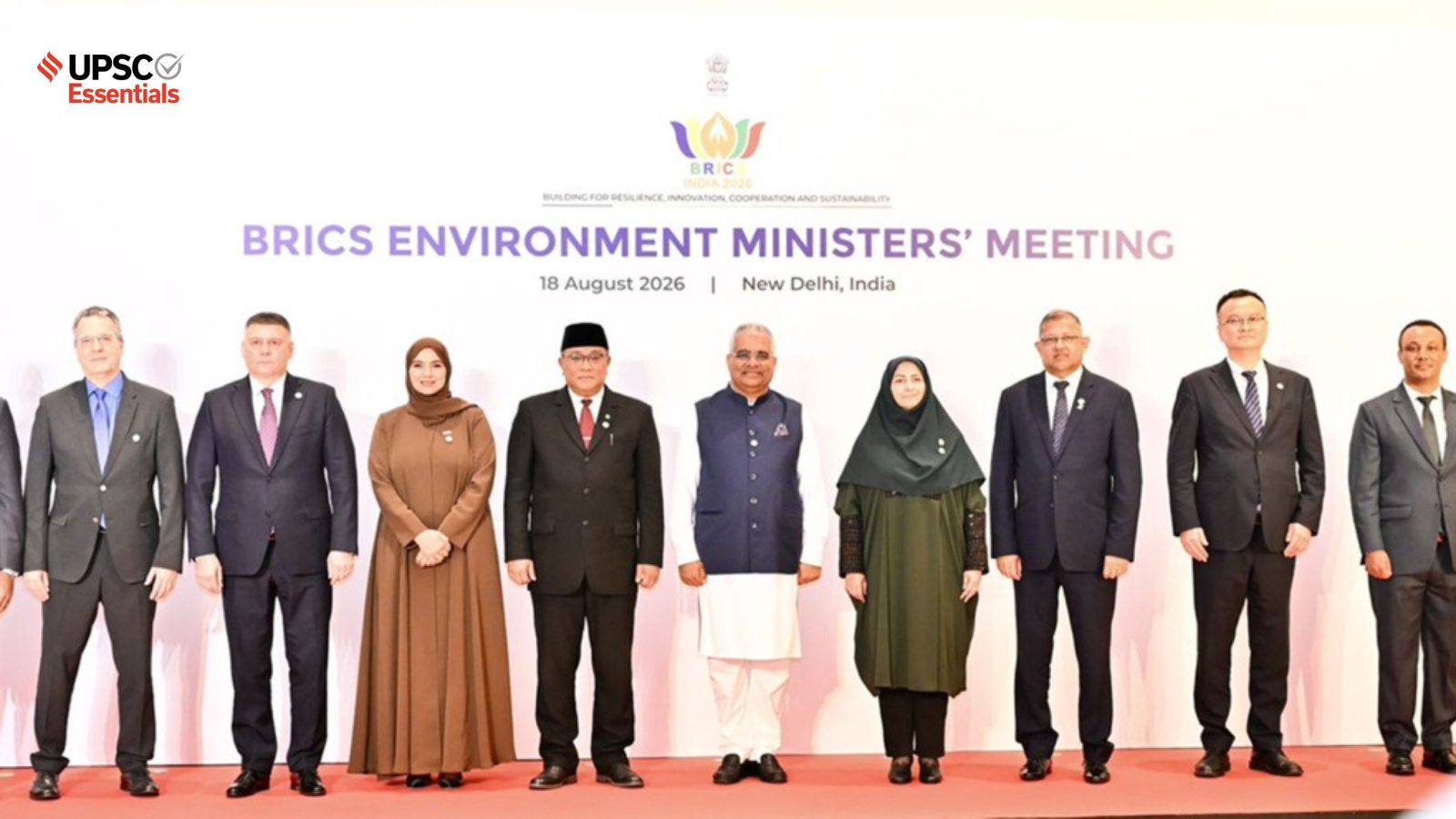
In parallel, BRICS has emerged as a platform for the Global South to articulate its developmental and environmental priorities. As the bloc grows in economic and demographic strength, it has the potential to reshape global environmental governance by making it more inclusive and responsive to the needs of developing nations. With rising environmental challenges, BRICS can drive transformative change in global environmental governance by promoting sustainable development, combating climate change, and fostering equitable access to resources.
India’s active participation in BRICS aligns with its broader approach to equitable and inclusive global governance. By leveraging its leadership position in the bloc, India can help reshape environmental governance to better reflect the concerns of the Global South. This entails strengthening India’s capacity to advocate for environmentally sustainable practices and pushing for a more balanced distribution of resources and responsibilities among member nations.
The combined push for a non-permanent UNSC seat and the transformative potential of BRICS in environmental governance present a strategic opportunity for India to not only enhance its diplomatic weight and influence but also contribute significantly to a more inclusive, sustainable, and representative global order.
Written by urgent.news from The Indian Express's reporting — not their text. Machine-written — may contain errors; check the original before relying on it.