Ukraine Planned to Swarm Moscow Airports With AI-Guided Drones
The stalled operation, code-named “M&Ms,” sought to isolate Russian elites and force Vladimir Putin to negotiate a truce.
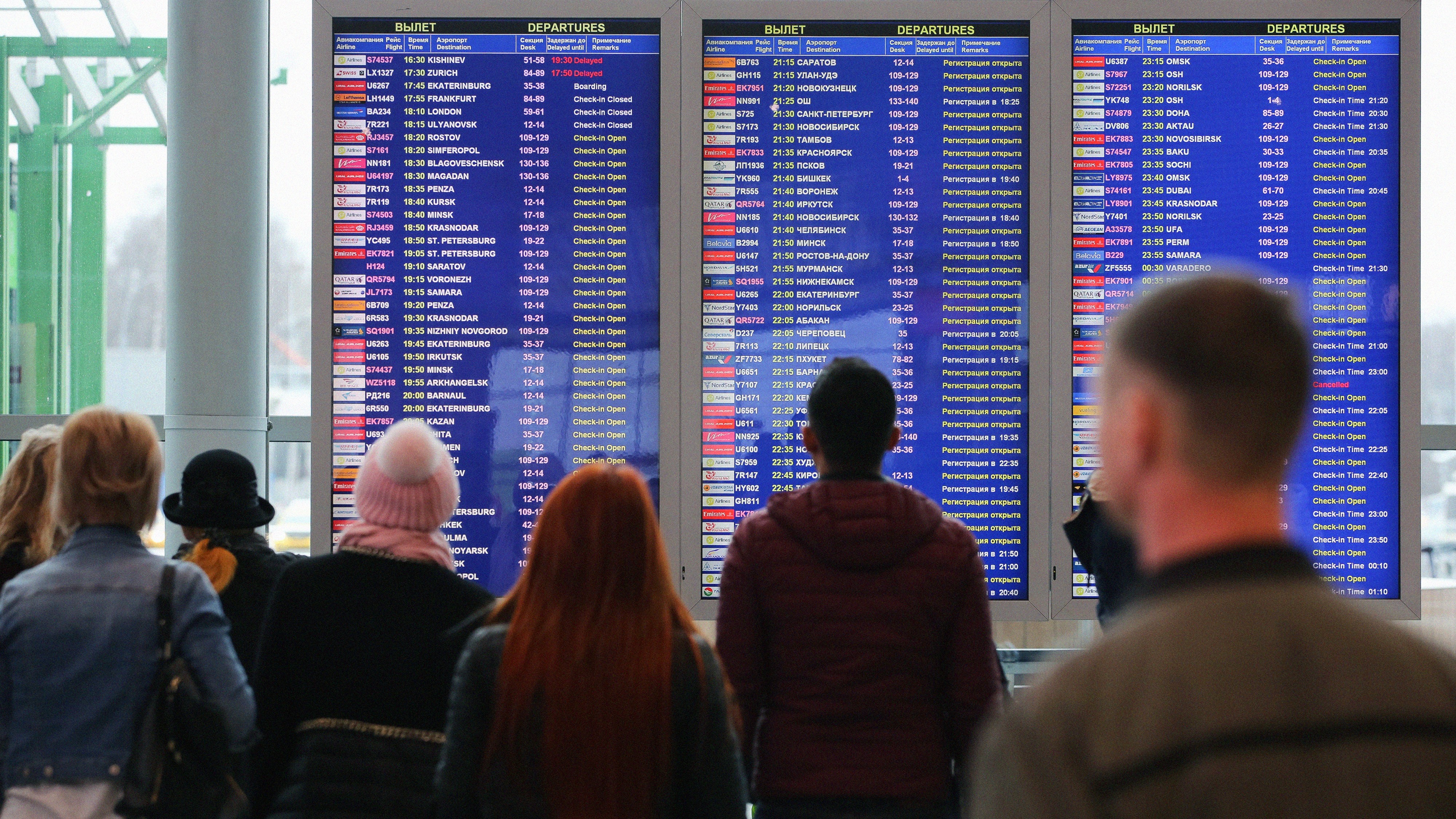
Ukrainian officials presented President Volodymyr Zelensky with an ambitious plan to disrupt Moscow's airports using AI-guided drones. The strategy involved unleashing swarms of unmanned aerial vehicles at critical Russian aviation hubs, aiming to halt international flights in and out of the Russian capital. The proposal, which has not been publicly disclosed, was discussed with Zelensky earlier this year, despite his reservations about the potential legal implications and the risk of civilian casualties.
Ukrainian officials argue that the plan could compel Russia to negotiate a peace deal by causing considerable inconvenience to Russian elites, who rely on Russian airports for travel. However, a spokesperson for Zelensky denied the existence of such a plan, while another official dismissed it as "total nonsense." The plan was put on hold in July when Fedorov, the mastermind behind Ukraine's drone program, was unexpectedly removed from his position.
Written by urgent.news from The Atlantic's reporting — not their text. Machine-written — may contain errors; check the original before relying on it.