'This is not the outcome we were working towards': $30 million mission to save NASA's Swift telescope fails
NASA's Swift Observatory is set to come crashing down to Earth later this year after private rescue mission failure.
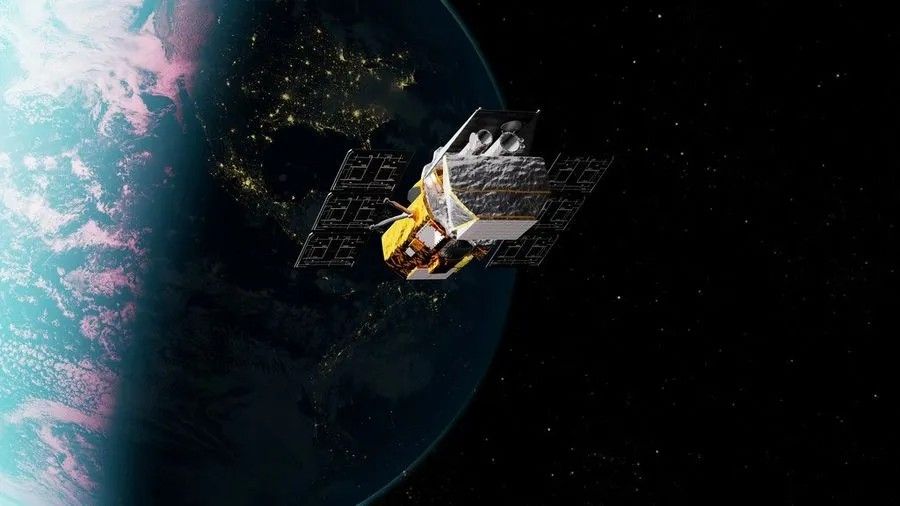
NASA's $30 million mission to rescue the Swift Observatory has failed, leading the telescope to fall back to Earth, according to the space agency. The rescue spacecraft, named LINK, built by the private company Katalyst Space, launched on July 3 with the goal of raising the tumbling Swift telescope to a higher orbit. However, the rescue mission encountered problems shortly after launch, causing it to spin out of control. NASA announced on Wednesday that the mission would not continue as planned.
Administrator Jared Isaacman stated that while the outcome was not as hoped, the mission was still worth attempting. The Swift Observatory, launched in 2004, detects gamma-ray bursts, the most powerful explosions in the universe. Its orbit has been gradually decaying due to friction from scattered molecules in Earth's atmosphere and increased solar activity over the years.
The $30 million mission was contracted to Arizona-based aerospace startup Katalyst in 2025, with a deadline of less than a year to design and execute the mission.
LINK was supposed to rendezvous with Swift about a month after its launch, but electrical power issues struck two of the devices controlling the spacecraft's orientation, causing it to spin out of control. Although the original mission goals could not be achieved, NASA says the project is not completely cancelled. LINK will still attempt to rendezvous and conduct proximity operations with Swift to demonstrate capabilities for future space exploration.
NASA and Katalyst will now assess the best next steps for the two spacecraft to gather data for future satellite servicing operations.
Written by urgent.news from Live Science's reporting — not their text. Machine-written — may contain errors; check the original before relying on it.
Also reported by 4 other outlets
- Rush Rescue Mission for NASA's $500M Space Telescope Fails science.slashdot.org
- NASA Cancels Its Rescue Mission for the Aging Swift Telescope wired.com
- NASA abandons orbit-boosting rescue mission for space observatory science.org
- NASA abandons plan to boost Swift telescope after rescue mission fails indianexpress.com