Idaho fought invasive lake trout; a decade later adult numbers were down 64%
A vigorous initiative employing commercial nets and angler incentives has successfully diminished the population of invasive lake trout. This management program has fostered a remarkable resurgence of native species such as rainbow trout and sockeye salmon. Hydroacoustic assessments revealed kokanee densities that haven't been observed since the 1970s. The rebound of kokanee has instigated…
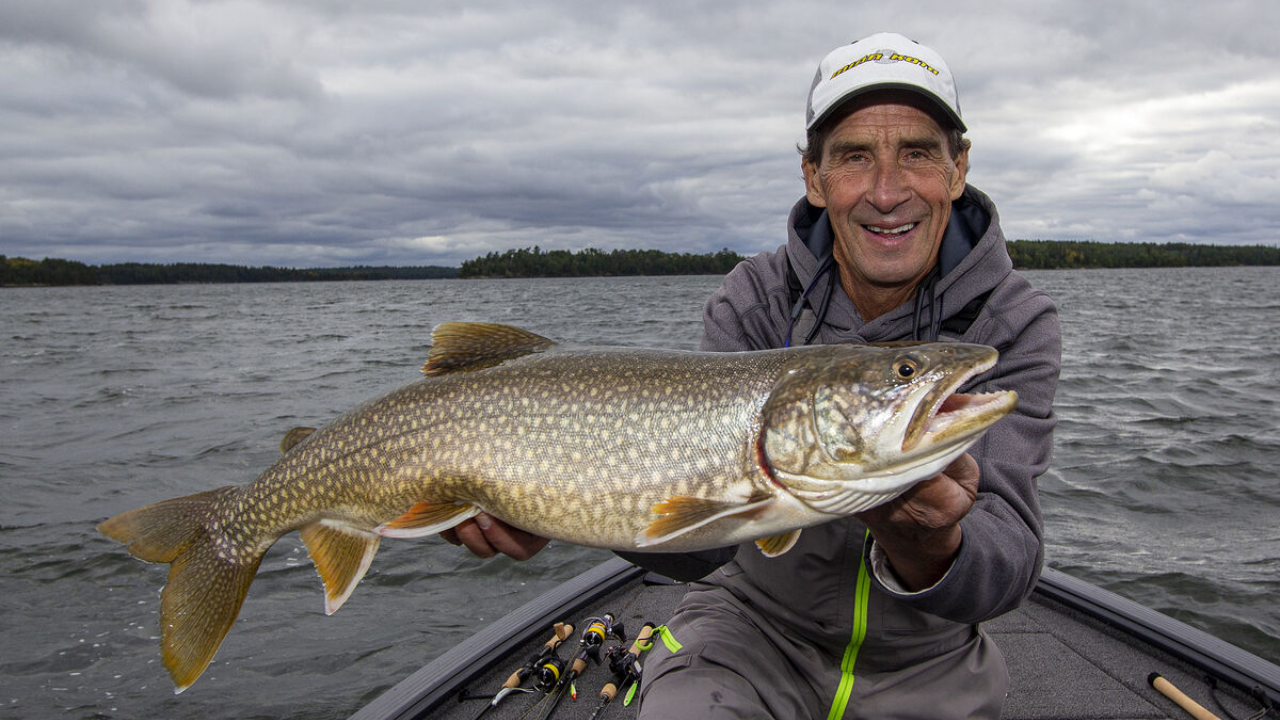
In 2006, the Idaho Department of Fish and Game (IDFG) initiated a decade-long fight against invasive lake trout in northern Idaho's Lake Pend Oreille. By 2016, ten years into the programme, adult lake trout numbers had plummeted by 64 per cent. This decline was crucial as lake trout were consuming significant numbers of native rainbow trout and landlocked sockeye salmon, or kokanee, which were already at historic lows.
The lake trout's spread threatened the entire food chain, with kokanee being a primary food source for native bull trout and Gerrard strain rainbow trout. To combat the crisis, IDFG collaborated with Avista Utilities, the USGS, and local fishing groups to devise a multi-pronged suppression plan, employing two primary methods - angler bounties and targeted commercial netting.
The bounty program paid anglers $15 for every lake trout they caught and turned in, leading to tens of thousands of fish being removed annually. Commercial fishermen also participated, using deep-water gill nets and trap nets to target lake trout during spawning season. Over the decade, more than 190,000 lake trout were removed, leading to a rapid recovery of kokanee populations, with densities reaching levels not seen since the 1970s.
The kokanee biomass increased tenfold, providing more food for other predatory fish and helping rainbow trout grow faster. Bull trout, listed as threatened, also benefited from the increased prey supply. Despite the success, complete removal of lake trout is deemed improbable due to the lake's depth and complexity. Thus, IDFG maintains a smaller netting programme and funds the bounty system to keep lake trout populations in check.
This suppression strategy is now being adopted at other locations in western North America as a model for managing invasive fish species.
Written by urgent.news from Times of India's reporting — not their text. Machine-written — may contain errors; check the original before relying on it.