The supercomputer race no longer means what it used to, as rankings lose relevance in the AI era — as privately held compute clusters are built, running HPL becomes a distraction
We review the current state of high-performance supercomputing, interviewing experts, including the deputy head of high-performance computing at GWDG, to find out exactly where the current race stands.
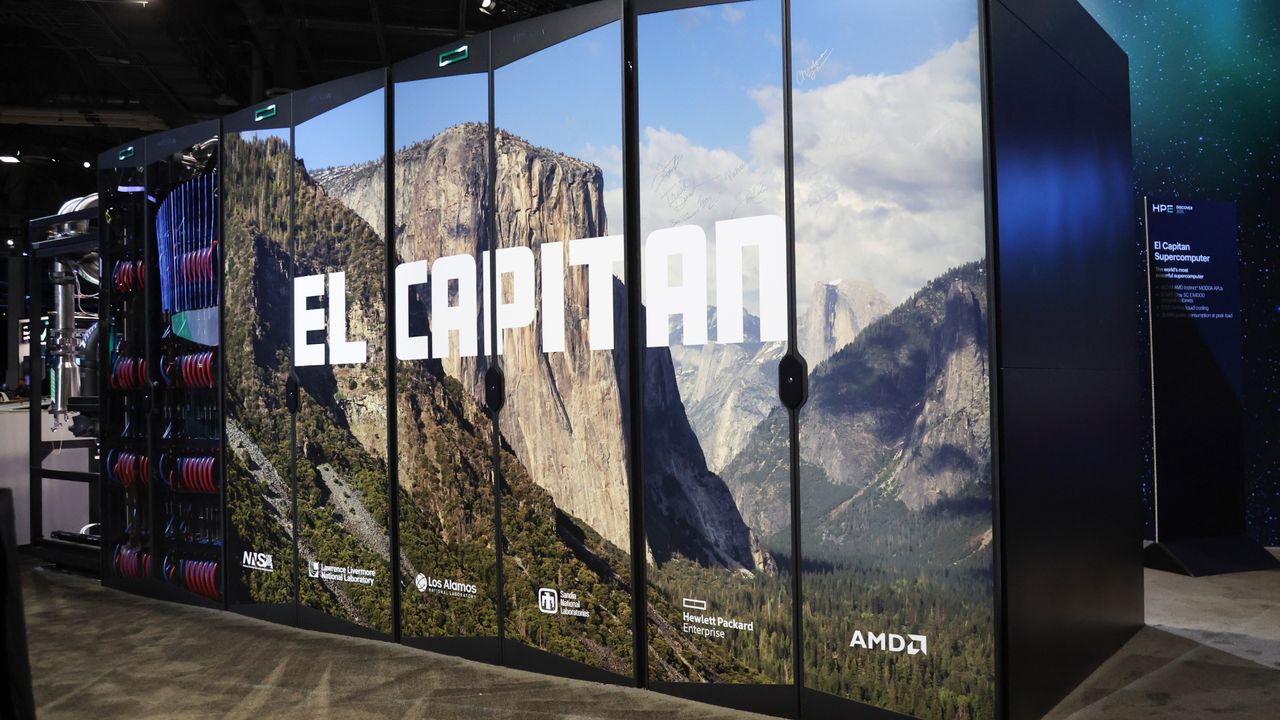
China's LineShine claims the title of the world's fastest supercomputer, based on its impressive performance of nearly 2.2 exaflops. However, the ranking depends on the specific metrics used. LineShine excels at the High Performance Linpack (HPL) benchmark, but shows weaker results in other tests like HPCG and the mixed-precision HPL-MxP test.
The machine's architecture, built on China's domestic LingKun platform, 304-core LX2 processors, LingQi interconnect, and Kylin operating system, makes it highly efficient at CPU-based calculations. The race for supercomputing supremacy has now become multiple competitions, each focusing on different performance metrics. As private AI infrastructure rises, the focus on public supercomputing rankings may become less relevant.
Written by urgent.news from Tom's Hardware's reporting — not their text. Machine-written — may contain errors; check the original before relying on it.