Rocket Lab launches 9th satellite for iQPS
Rocket Lab launched another satellite for Japanese radar-imaging company iQPS on Aug. 20. The post Rocket Lab launches 9th satellite for iQPS appeared first on SpaceNews .
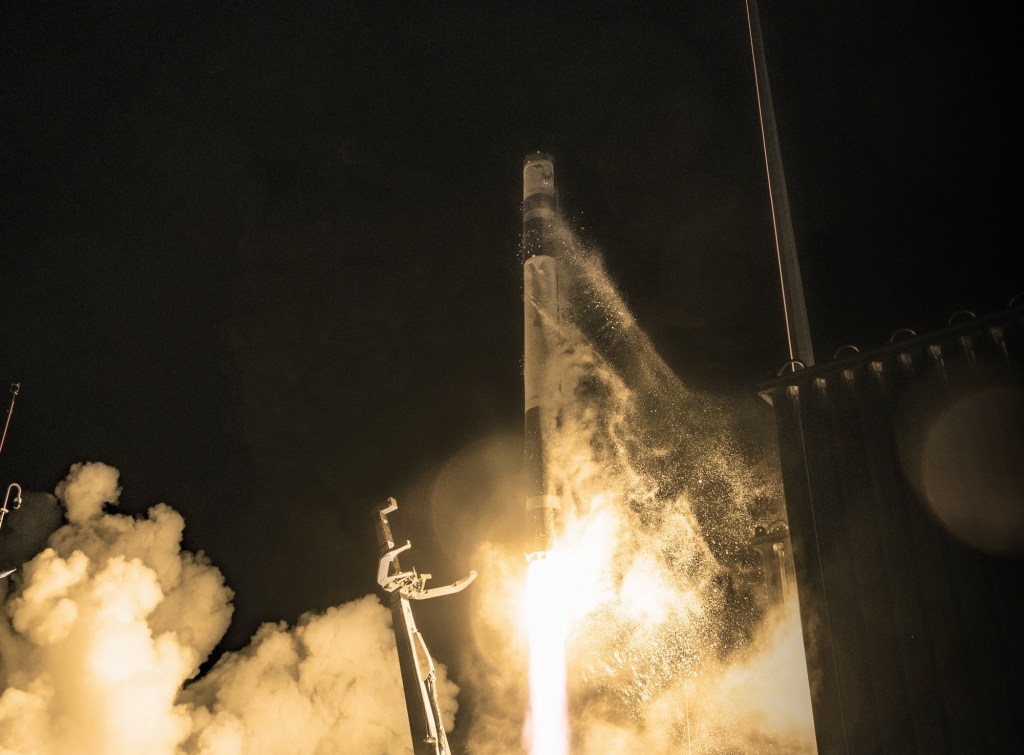
Today, August 20, Rocket Lab will launch a private Japanese Earth-observing satellite into orbit from its New Zealand facility. The mission, dubbed "The Lightning God Defends," involves deploying SUSANOO-II, a radar satellite, into low Earth orbit (LEO). The launch window opens at 9 a.m. EDT (1300 GMT; 1 a.m. on August 21 local New Zealand time).
Rocket Lab will provide a live stream of the event, beginning approximately 30 minutes before liftoff. This will be Rocket Lab's ninth launch for iQPS, the company behind the satellite, which is constructing a network of 36 SAR satellites for global users. The iQPS constellation is designed to capture high-resolution, near-real-time imagery of Earth, regardless of day or night or cloud cover.
SUSANOO-II, also known as iQPS-12, is anticipated to be deployed around 50 minutes after launch, at an altitude of 357 miles (575 kilometers). This marks Rocket Lab's 14th launch in 2026, and its 93rd overall. The company predominantly uses its Electron rocket, a 59-foot-tall (18 meters) vehicle that provides dedicated rides to Earth orbit for small satellites.
Written by urgent.news from Space.com's reporting — not their text. Machine-written — may contain errors; check the original before relying on it.
This story
This is one outlet's version. Read the fullest account.