Questions over N15.8trn subsidy savings
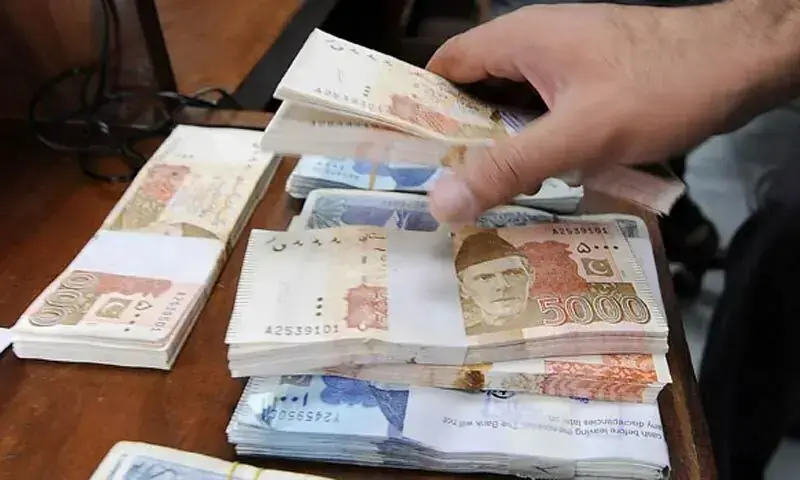
The Federal Government yesterday said the removal of the petrol subsidy and the liberalisation of the naira have generated N15.8 trillion in savings for the federation between June 2023 and December 2025. The Minister of Finance and Coordinating Minister of the Economy, Taiwo Oyedele, says the money saved from the reforms has created additional fiscal […]
In June 2023, the Nigerian government announced that the elimination of petrol subsidies and the liberalization of the naira currency had generated N15.8 trillion in savings for the federal government between June 2023 and December 2025. The Minister of Finance, Taiwo Oyedele, stated that these funds provided additional fiscal space for various purposes such as funding critical programs, paying workers and pensioners, investing in infrastructure, supporting vulnerable Nigerians, and expanding credit access.
However, three years after the reforms began, a new question has emerged among Nigerians: what impact has the additional money had on the everyday lives of ordinary citizens? While the government highlights the allocation of higher funds, wage adjustments, infrastructure, student loans, social transfers, agricultural initiatives, and other programs, many Nigerians are questioning the actual impact of these savings.
Economic analysts and citizens point out that the benefits remain limited or uneven. The removal of the subsidy has led to higher petrol prices and increased transportation costs, food prices, and a general rise in the cost of living. Critics argue that the increased revenue available to governments has not resulted in visible improvements in their communities.
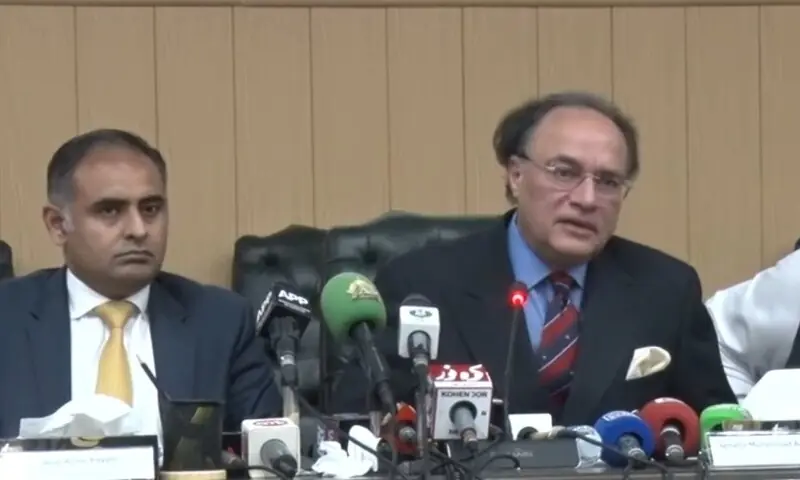
The Federal Government, along with 36 states and 774 local government councils, received a record N3.007 trillion from the Federation Account in July 2026, marking a significant 281.7% increase compared to N786.161 billion shared in May 2023 before the reforms. Oyedele, during a media conference titled "The Benefits, Costs, and Harm Prevented," emphasized that the reforms should not be judged solely by immediate costs but also by the economic damage prevented and the opportunities created.
The federal government mobilized N15.8 trillion in resources from subsidy savings, with N5.4 trillion received by the federal government and N10.4 trillion shared among states and local governments. The additional resources enabled the government to undertake programs that would have been difficult to finance without the fiscal space created by the reforms, generating N20.4 trillion in incremental resources over the period.
Written by urgent.news from Daily Trust's reporting — not their text. Machine-written — may contain errors; check the original before relying on it.