Poor website accessibility could exclude persons with disabilities from essential services
Persons living with disabilities have raised concerns about accessibility barriers on websites and digital platforms, warning that poor design could exclude them from essential services and opportunities as Ghana accelerates its digital transformation. The concerns were raised at a digital accessibility workshop organised by Open Knowledge Ghana in partnership with the Internet Society Ghana…
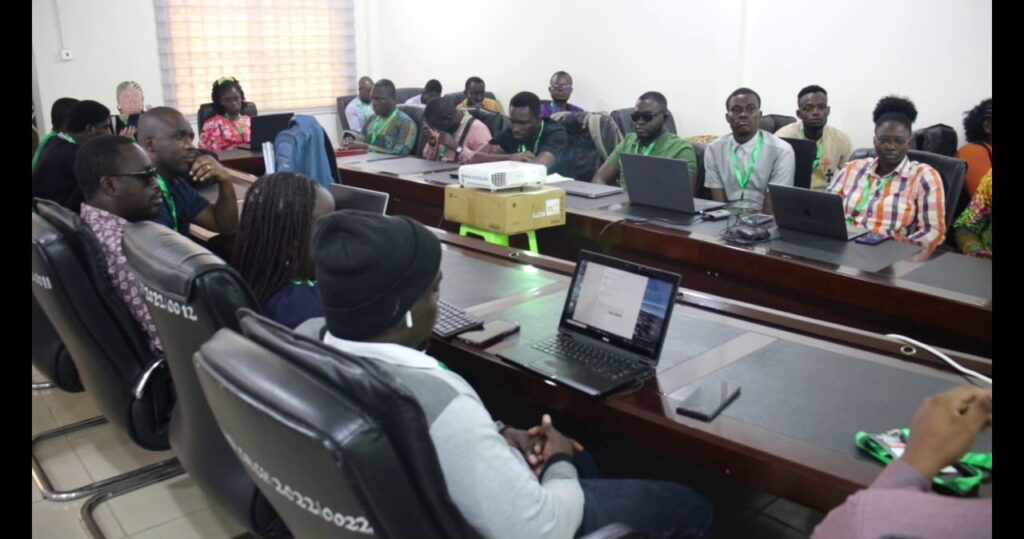
Persons with disabilities have expressed worries that inaccessible website design could bar them from crucial services and opportunities as Ghana enhances its digital transition. At a workshop organized by Open Knowledge Ghana and the Internet Society Ghana Chapter, stakeholders gathered to pinpoint obstacles faced by individuals with various disabilities and brainstorm methods to enhance inclusivity in digital platforms.
Visually impaired participant Sayena Susu highlighted that certain websites present difficulties for users with visual impairments due to improper configuration, hindering navigation and potentially preventing access to content or transaction completion. "You have a situation where you are not able to experience the website the way you are supposed to," Susu explained, providing online forms as an example.
He noted that even if a visually impaired user enters all necessary information, they may still be unable to submit the form if the submit button is not properly configured for assistive technology.
Web developer and disability inclusion expert Ephraim Tetteh emphasized the importance of direct engagement with individuals with disabilities during the design and development of digital platforms. This interaction enables developers to grasp user experiences and uncover accessibility issues that might otherwise go unnoticed. University of Ghana lecturer and disability inclusion specialist David Koletey informed participants about web accessibility guidelines that developers must adhere to.
These guidelines aim to ensure that persons with disabilities can effectively access websites and online content.
Internet Society Ghana Chapter President Dr Maud Ashon Elliot stressed the necessity of involving individuals with disabilities from the outset of digital development. She argued that their involvement would aid developers in identifying potential barriers that may not be apparent to those without disabilities, emphasizing that accessibility must be integrated into digital platforms from the beginning rather than being added as an afterthought.
CHRAJ’s Digital Rights Focal Person Elias Mane urged the government to ensure public digital platforms are accessible to persons with disabilities, particularly as more government services move online. Mane stressed the importance of direct collaboration with the disability community to better understand the challenges users encounter when accessing digital services.
Stakeholders have since advocated for stronger accessibility standards, increased involvement of persons with disabilities in digital product development, and enhanced digital skills training. They argue that these measures are essential to ensure that Ghana's digital transformation expands access to services and opportunities without leaving persons with disabilities behind.
Written by urgent.news from MyJoyOnline Ghana's reporting — not their text. Machine-written — may contain errors; check the original before relying on it.