Oura Faces Lawsuit Over Alleged Innacurate AI Sleep Tracking
A proposed class-action lawsuit accuses the popular smart ring company of false advertisement.
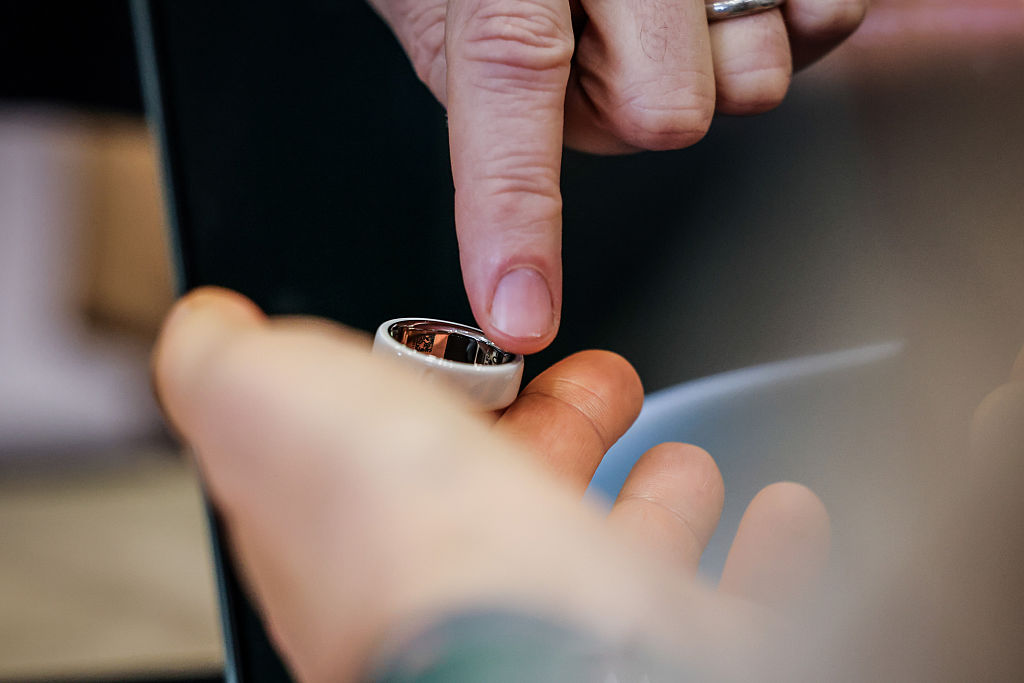
A lawsuit has been filed against the popular smart ring company Oura, accusing the brand of engaging in false advertising by misrepresenting the accuracy of its AI-generated sleep tracking. The lawsuit, filed by the Clarkson Law Firm in San Francisco, seeks class action status and a jury trial. According to the suit, Oura sold pricey tracking rings, priced at $300 and above, claiming they could detect sleep patterns as accurately as a hospital sleep lab.
The lawsuit states that Oura's algorithms and sensors are incapable of measuring the physiological signals needed to accurately determine the stages of sleep, and instead, the device relies on "AI-generated guesses" that are only as reliable as "a coin flip." Despite these claims, the company's marketing materials state that its wearables track seven sleep aspects, including REM and deep sleep, to provide a sleep score, and that the device achieves a 95% sleep staging accuracy compared to clinical sleep labs.
However, the lawsuit argues that sleep labs use complex methods, including multiple electrodes to measure brain activity, which Oura's products lack. The plaintiffs allege that by deceiving customers who bought an Oura Ring, the company is misleading them about the reality of their sleep patterns. The lawsuit's co-founder and managing partner, Ryan Clarkson, stated that it is unacceptable for customers to rely on a device to guide health decisions when the information provided is inaccurate.
Written by urgent.news from CNET's reporting — not their text. Machine-written — may contain errors; check the original before relying on it.