Oura Faces Lawsuit Over Alleged Inaccurate AI Sleep Tracking
A proposed class-action lawsuit accuses the popular smart ring company of false advertisement.
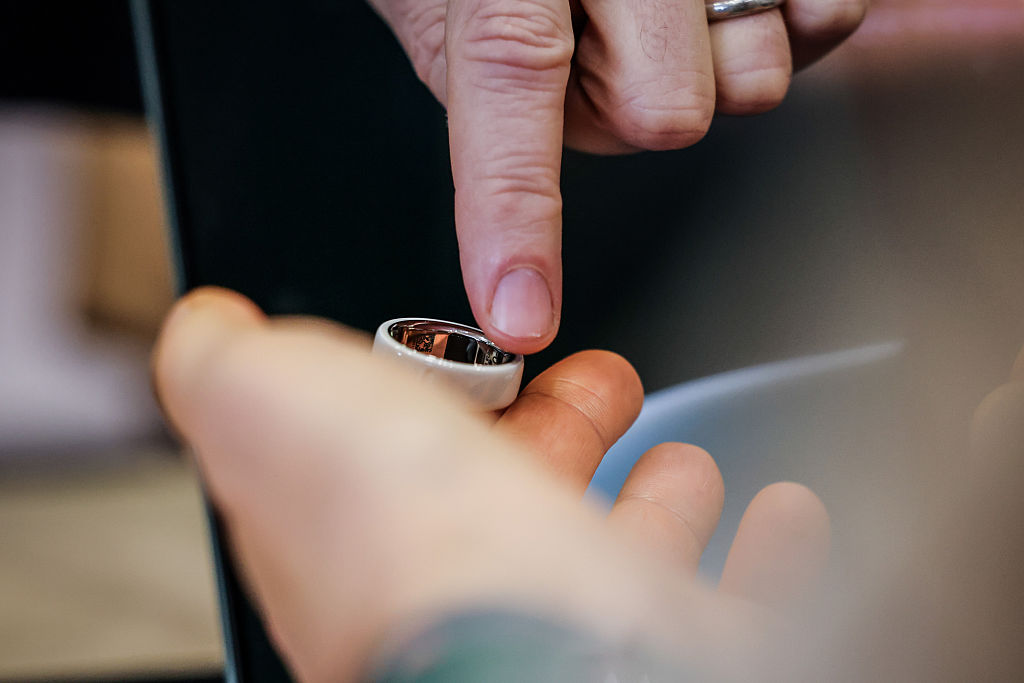
A lawsuit has been filed against smart ring brand Oura, alleging the company engaged in false advertising by overstating the accuracy of its AI-driven sleep tracking. The lawsuit, filed by the Clarkson Law Firm in San Francisco, seeks class action status and a jury trial. According to the complaint, Oura built its $11 billion business on the trust that its rings could accurately track sleep, which is not the case.
The suit claims Oura's rings cannot detect the physiological signals required to accurately measure sleep stages, but rely on "AI-generated guesses" that are only as reliable as "a coin flip." The suit points to marketing claims such as "95% Sleep Staging Accuracy compared to clinical sleep lab," but argues that sleep labs require complex equipment that Oura's devices do not possess.
The lawsuit alleges that Oura's marketing and product details deceive customers who have purchased an Oura Ring. Oura's representatives did not immediately respond to a request for comment. While the lawsuit has been filed, it is unclear whether current buyers can join the suit or what compensation they might receive if the case proceeds to trial or a settlement is reached.
Experts from CNET suggest that health trackers like the Oura Ring can indicate potential health issues that may warrant a doctor's consultation, but they should not be relied upon for accurate diagnoses. They also note that more research is needed on such devices, as the pace of wearable health tracker releases has outpaced scientific research.
This isn't Oura's first legal battle; there is another ongoing class action alleging that the company collected sensitive personal information without customers' consent for two years.
Written by urgent.news from CNET's reporting — not their text. Machine-written — may contain errors; check the original before relying on it.
This story
This is one outlet's version. Read the fullest account.