Odisha forms inquiry committee to examine relocation of villages from tiger habitat
The committee was formed after Odisha Human Rights Commission directed to do so. Villagers had alleged that relocation was forcible and their consent was manufactured
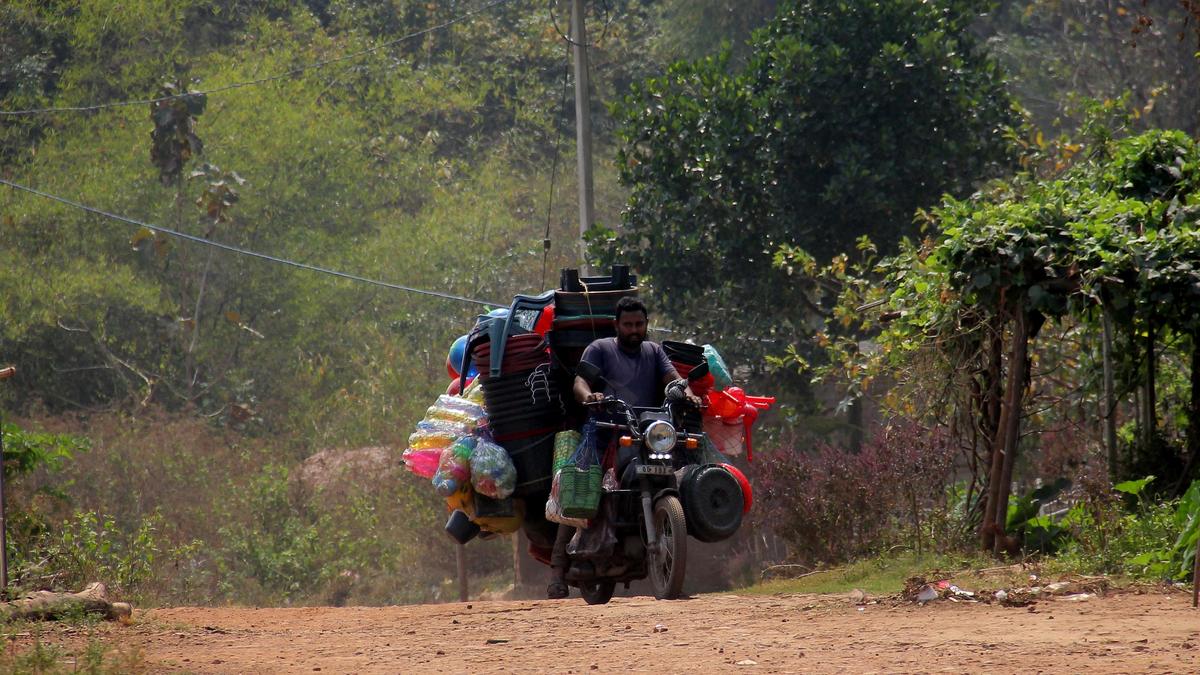
The Odisha government has formed a high-level inquiry committee to investigate the relocation of villages from the Satkosia Tiger Reserve (STR). This decision follows concerns raised by residents that they were forcibly removed from their ancestral homes despite living peacefully with wildlife for generations. The committee, headed by the Revenue and Disaster Management Secretary, is tasked with scrutinizing the entire village-wise relocation process linked to STR, excluding the first village to be relocated - Raiguda, which departed following proper procedures.
Formed on August 17, 2026, the committee will verify adherence to legal statutes, including the Wildlife (Protection) Act 1972, the Forest Rights Act, 2006, and the guidelines set by the National Tiger Conservation Authority (NTCA). The committee will also evaluate beneficiary identification, ensuring no villagers were unjustly excluded or included, and assess the compensation and rehabilitation provided to affected families.
It has been instructed to propose corrective measures, which may encompass differential compensation, reinstatement of rights, and livelihood support. The government has specifically requested the committee to pinpoint officers responsible for any procedural errors or infractions and recommend suitable departmental or criminal actions.
The formation of this committee is a response to the Odisha Human Rights Commission's (OHRC) directive to conduct a thorough inquiry into the village relocation process associated with STR. This reserve has faced a tumultuous past in tiger conservation. According to the 2007 census, 12 tigers roamed the forest; this number dwindled to a single tiger by 2018-19, and as of 2022, no tigers were recorded.
The reasons behind this population decline remain unknown. In an effort to bolster the tiger population, India's inaugural inter-state tiger relocation program was initiated in 2018, relocating a male tiger from Kanha and a tigress from Bandhavgarh, both in Madhya Pradesh. However, one tiger met its end in a poacher's trap, while the other ventured into human settlements, causing distress among villagers.
The tigress was later returned to Madhya Pradesh. The reserve's predicament is partly attributed to the presence of numerous human settlements - four within its core area, 131 in its buffer zone, and 234 in the surrounding impact zone. This high density of human habitation has been identified as a significant hurdle in tiger conservation efforts.
One of the 15 preconditions set by the NTCA is for forest areas within the reserve to remain inviolate. The village relocation process, which began subsequently, has been fraught with controversies. Residents have accused authorities of fabricating consent and arranging substantial financial inducements. Prasanna Behera, an environmental lawyer representing many of these villagers, highlighted that one of the Odisha Human Rights Commission's observations was that Gram Sabha meetings were often absent, conducted without proper notice, quorum, or transparency, and many eligible residents were absent.
Written by urgent.news from The Hindu - Sci-Tech's reporting — not their text. Machine-written — may contain errors; check the original before relying on it.
This story
This is one outlet's version. Read the fullest account.