Odisha forms inquiry committee to examine relocation of villages from tiger habitat
The committee was formed after Odisha Human Rights Commission directed to do so. Villagers had alleged that relocation was forcible and their consent was manufactured
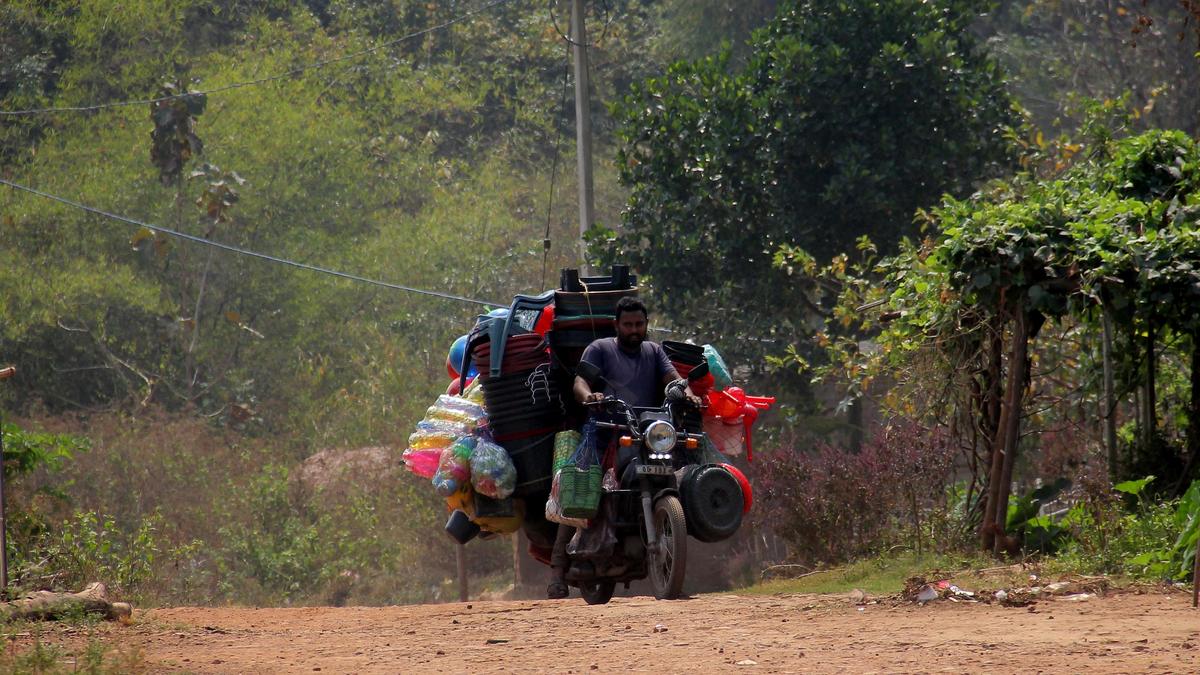
The Odisha government has established a high-level inquiry committee to investigate the relocation of villages from the Satkosia Tiger Reserve (STR) following allegations of forced evictions, despite residents living in harmony with wildlife for generations. The committee, headed by the Revenue and Disaster Management Secretary, is tasked with examining the entire village-wise relocation process, with the exception of Raiguda, the first village relocated under proper procedures.
The committee is mandated to ensure compliance with the Wildlife (Protection) Act 1972, the Forest Rights Act, 2006, and guidelines from the National Tiger Conservation Authority (NTCA). It will also scrutinize beneficiary identification to determine if villagers were wrongly excluded or included in the relocation process, and assess the compensation and rehabilitation provided to affected families.
The committee is directed to recommend corrective measures, including differential compensation, restoration of rights, and livelihood support. The government has specifically asked the committee to identify officers responsible for procedural irregularities or violations and recommend appropriate actions. The formation of the committee follows a direction from the Odisha Human Rights Commission (OHRC) to conduct a high-level inquiry into the entire village relocation process linked to STR.
STR has a history of challenges in tiger conservation, with the tiger population dwindling from 12 in 2007 to none in 2018-19. In 2018, India's first inter-state tiger relocation program was initiated, bringing a male tiger from Kanha and a tigress from Bandhavgarh. One tiger was killed in a poacher's trap, while the other ventured into human settlements, causing resistance from villagers.
The tigress was eventually returned to Madhya Pradesh. The presence of numerous human settlements within STR, including four villages in the core area, 131 in the buffer zone, and 234 in the surrounding impact zone, is believed to be a significant factor in the conservation failures. One of the 15 preconditions set by the National Tiger Conservation Authority was to make forest areas within the reserve inviolate.
Villagers claim that their consent was fabricated and that substantial amounts of money were exchanged during the relocation process. Environmental lawyer Prasanna Behera, who represented many villagers, highlighted that Gram Sabha meetings were either absent, conducted without proper notice, and often hurried, with many eligible residents absent.
Additionally, the enumeration of beneficiaries was carried out in a non-transparent manner, according to Behera.
Written by urgent.news from The Hindu's reporting — not their text. Machine-written — may contain errors; check the original before relying on it.