'Lymphatic walking' workouts are trending — this is what happened when I tried it
Lymphatic walking workouts are trending; here's what you need to know and what happened when I tried it.
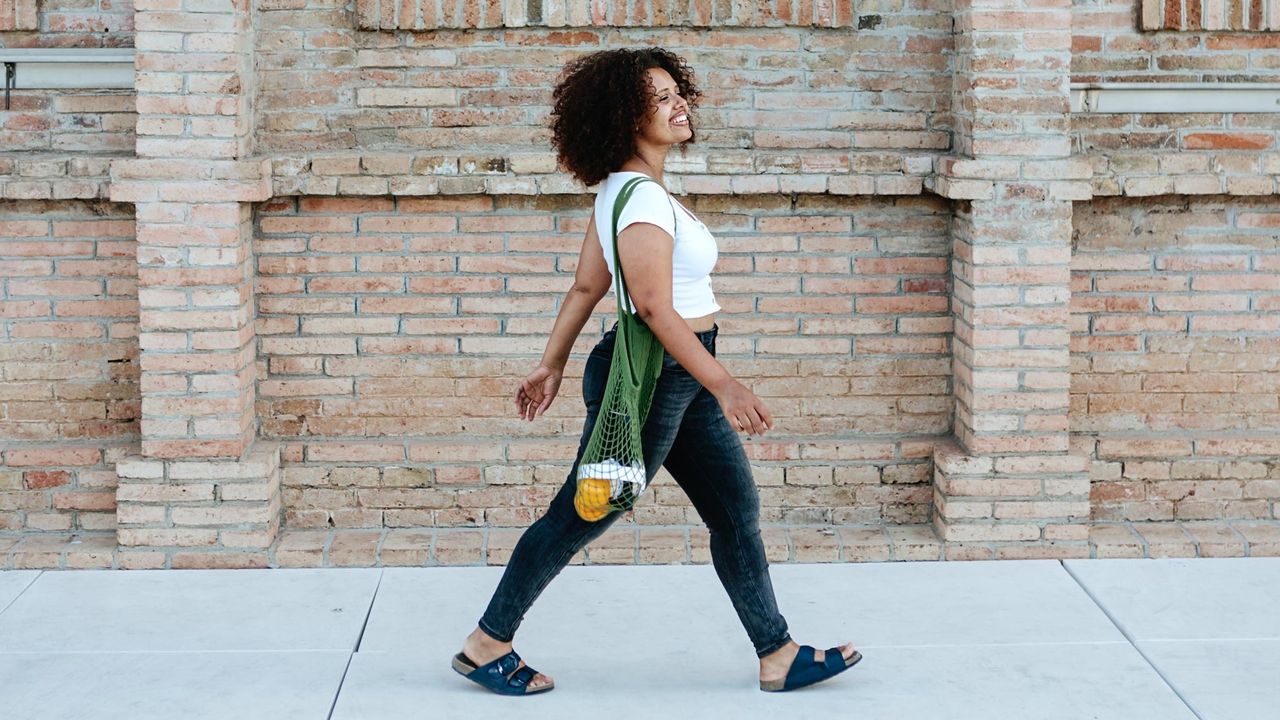
Lymphatic walking is a trending low-intensity workout that is becoming popular among those looking to improve energy and reduce bloating. David J. Sautter, a NASM-certified personal trainer, explains that this gentle, rhythmic style of walking supports the movement of lymph and excess fluid around the body using natural breathing and muscle contractions.
The focus is on consistent, low-impact movement, with the muscles in the feet and calves acting as a natural pump, pushing blood back up the body and aiding circulation. By combining this movement with relaxed, deeper breathing, lymphatic walking creates a low-intensity way to keep fluid moving, preventing stagnation that can develop after long periods of sitting.
Research suggests that movement, such as walking, activates the lower leg muscles, promoting circulation and lymphatic flow. Studies have shown that walking for 10-15 minutes after each meal can alleviate symptoms of bloating, gas, and post-meal fullness. The trainer recommended guide to lymphatic walking involves a 10-15 minute walk after lunch or dinner, starting with a slow warm-up at a comfortable pace, finding a rhythm where you can still hold a conversation, and maintaining a gentle pace with a smooth heel-to-toe stride and relaxed shoulders.
If time permits, extending the walk for an additional 5-15 minutes at the same pace can further support circulation and lymphatic flow. While the benefits of lymphatic walking may not be a miracle worker, it is still a good way to increase daily step count, boost digestion post-food, and encourage mindful movement.
Written by urgent.news from Tom's Guide's reporting — not their text. Machine-written — may contain errors; check the original before relying on it.