‘It is tough’: Indonesia battles wildfires, bracing for worse to come
Nearly 95,000 hectares of land across Indonesia were burnt in July alone as dry conditions driven by a powerful El Niño weather pattern took hold.
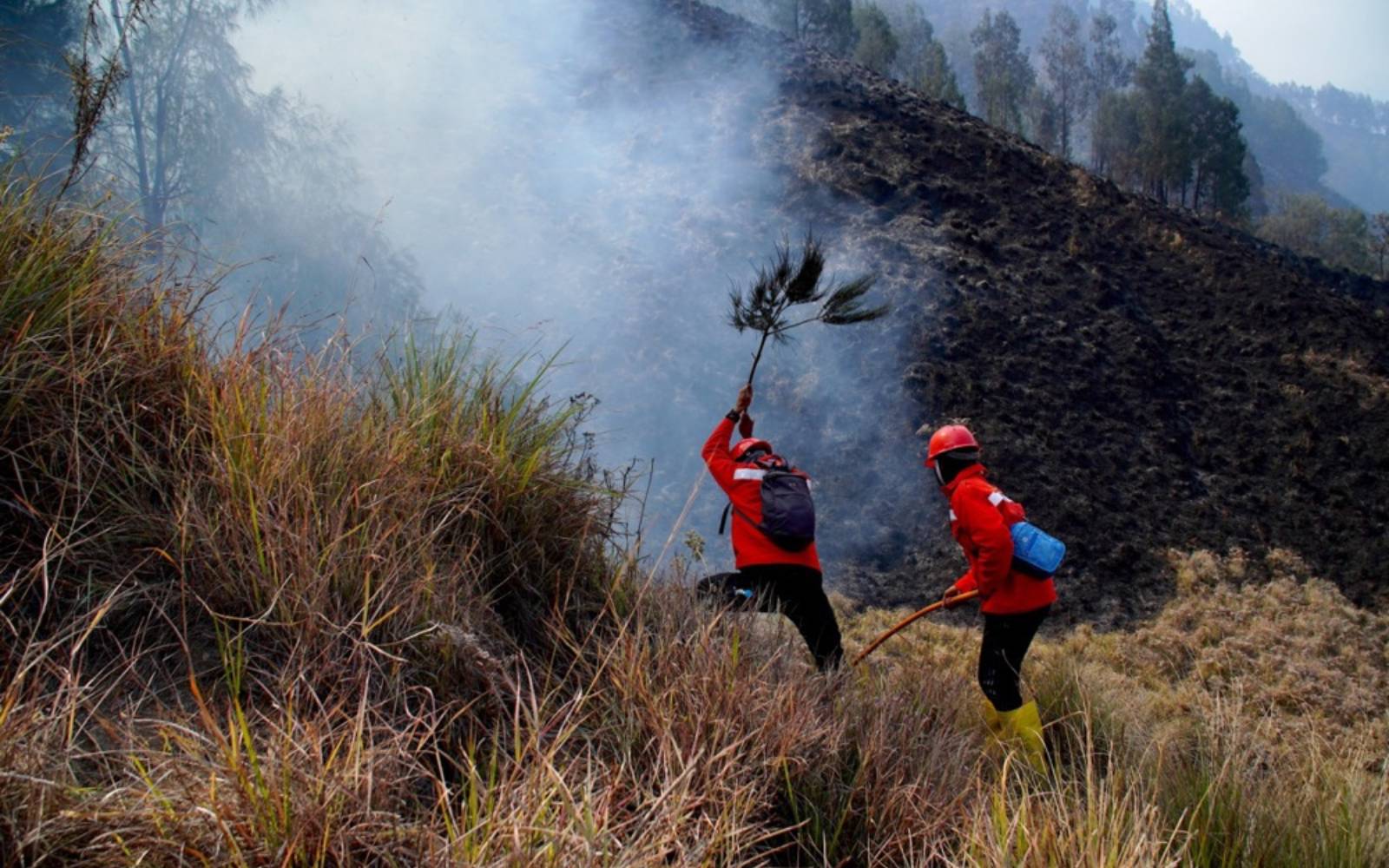
Jakarta, Indonesia is grappling with a severe wildfire crisis as smog blankets its Borneo region, home to pristine rainforests and vast plantations. The fires have scorched over 200,000 hectares since the beginning of the year, an area three times larger than the capital city. As El Nino weather conditions intensify, the worst is yet to come, according to officials and experts.
Nearly 95,000 hectares of land burned in July alone, while 767 forestry ministry officials across Borneo are actively battling the fires. Forestry ministry official Yudho Shekti Mustiko explained that there are no officials on standby in the office, as they are fully deployed on the front lines. "It is tough," he said.
Fire season has only just begun, and September and October are expected to be extremely dry. The current fires are larger than those during previous El Nino seasons in 2019 and 2023, but have not yet matched the devastation of the 2015 El Nino, which burned through millions of hectares.
Smoke from the fires has already reached Malaysian Borneo, with six areas in Sarawak state recording unhealthy air quality. In Palangkaraya, the mayor advised residents to wear masks and stay indoors. Motorists navigating through the area faced brown haze that reduced visibility.
Volunteer firefighters, struggling to breathe, were deployed to physically beat down flames with branches. Forestry minister Raja Juli Antoni announced that experts are on standby for cloud seeding operations to quell fires and prevent future ones. Cloud seeding involves introducing particles into clouds to trigger precipitation, but requires suitable clouds and technical feasibility.
Experts also attribute the scale of the current fires to four decades of deforestation, which has transformed vast landscapes into tinderboxes. While rain is the only thing that can stop the fires, it is unlikely before November, according to David Gaveau, founder of deforestation monitoring site Nusantara Atlas.
Written by urgent.news from Free Malaysia Today's reporting — not their text. Machine-written — may contain errors; check the original before relying on it.
This story
This is one outlet's version. Read the fullest account.