How is bad light determined in Tests? Explaining the use of lightmeters and rules for ending a day's play
You must've often wondered how good light is determined in a Test match, so here's how you can know if a game is about to be stopped and how.
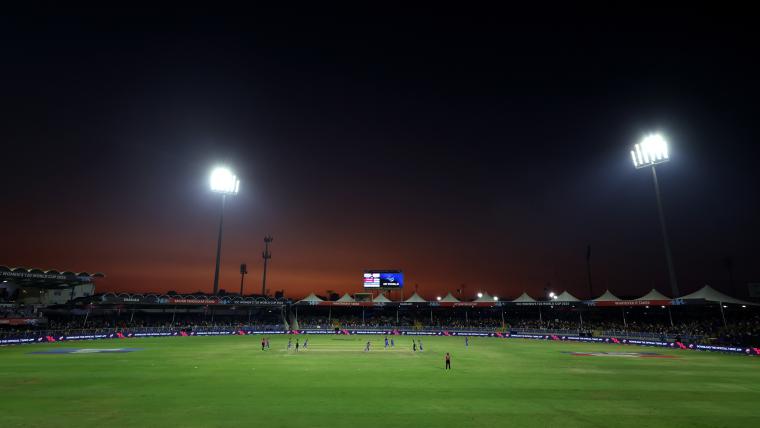
Bad light in Test cricket is determined by the umpires, who use a light meter as a guideline to assess whether the conditions have become unsafe for play. The light meter is not a definitive tool, as it only shows whether conditions have improved or worsened compared to a recorded benchmark. The threshold for bad light varies from ground to ground and even between matches, due to differences in natural light conditions.
Umpires take the first reading when they decide the light has become unfit and use it as a reference point for the rest of the match. The decision to stop play is entirely up to the two on-field umpires, without input from captains, batting sides, or broadcasters. If bad light persists, the umpires can call stumps early, resulting in lost overs.
Floodlights can be used to continue play, but they are not a guaranteed solution, especially in situations with very low natural light levels.
Written by urgent.news from Yahoo Sports's reporting — not their text. Machine-written — may contain errors; check the original before relying on it.