How AI is making health scams harder to spot
Deepfake doctors, fake pharmacy accounts and counterfeit products are making online health advice more difficult to trust.
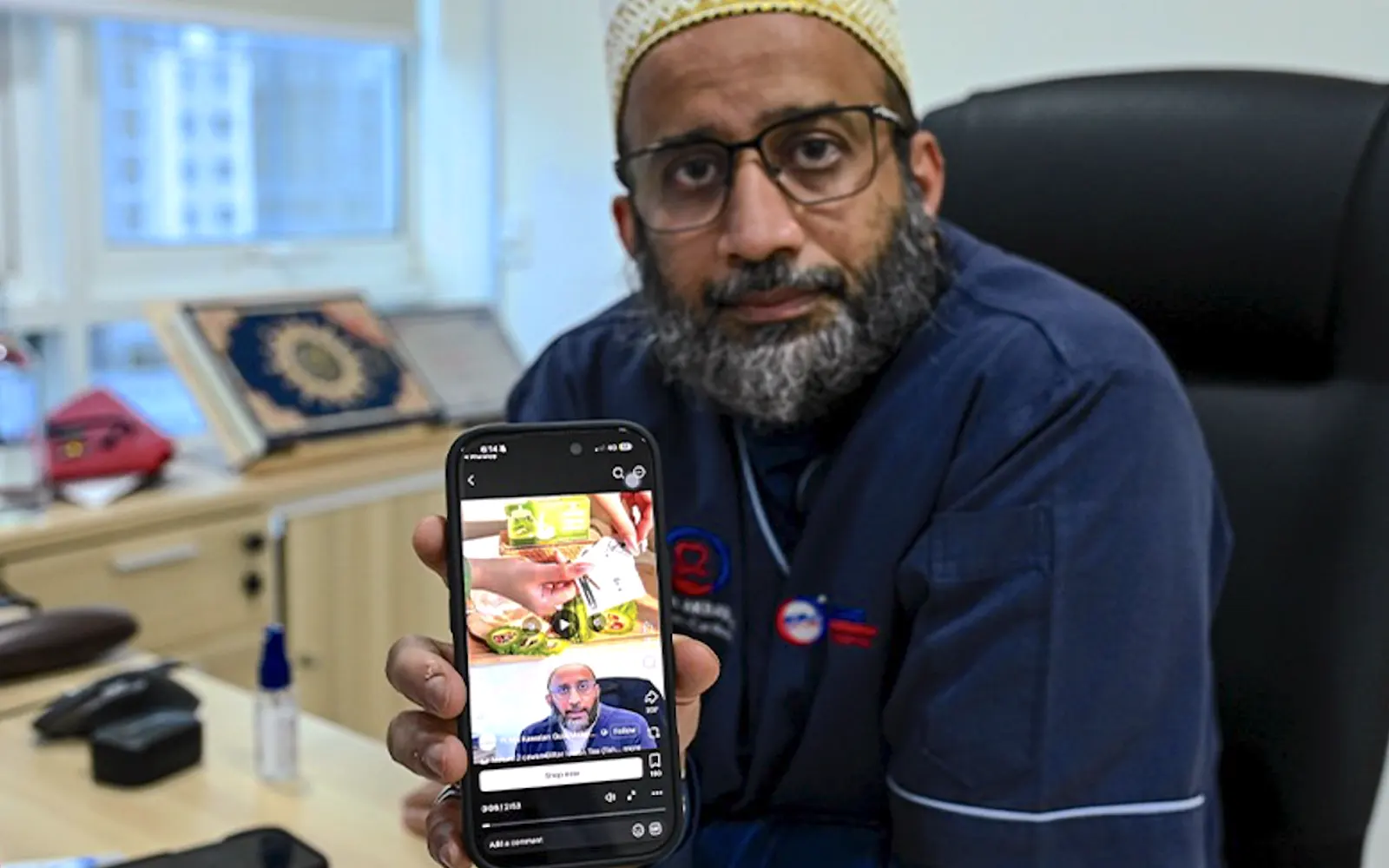
A recent deepfake video, using the face and voice of consultant cardiologist Dr Onn Akbar Ali, promoted a health product he never endorsed. The video showed the doctor endorsing a herbal tea that claimed to control diabetes without medicine, injections, or side effects. Dr Onn expressed his dismay over the creation of such deepfakes.
The real issue is that deepfake doctors, impersonation of pharmacies and healthcare professionals, and the widespread use of social media and messaging apps have made it increasingly difficult to spot health scams. In the past year, the health ministry conducted 2,839 raids, seizing over 1.5 million products worth more than RM75 million and more than 4,000 units of counterfeit pharmaceuticals worth about RM85,000.
One unfortunate consumer, a 54-year-old cancer patient, was hospitalized due to liver inflammation after purchasing a cheaper, counterfeit supplement online, believing it to be the same product he had received from a hospital. Another consumer bought avocado powder instead of meal-replacement powder after being misled by an attractive price and seemingly convincing seller ratings.
These incidents highlight the need for consumers to exercise caution and verify the authenticity of sellers and products. Although checking seller ratings and scrutinizing presentation can be helpful, the most crucial question now is, "Is this person even real?"
Written by urgent.news from Free Malaysia Today's reporting — not their text. Machine-written — may contain errors; check the original before relying on it.
This story
This is one outlet's version. Read the fullest account.
- How AI is making health scams harder to spot freemalaysiatoday.com