How AI is making health scams harder to spot
Deepfake doctors, fake pharmacy accounts and counterfeit products are making online health advice more difficult to trust.
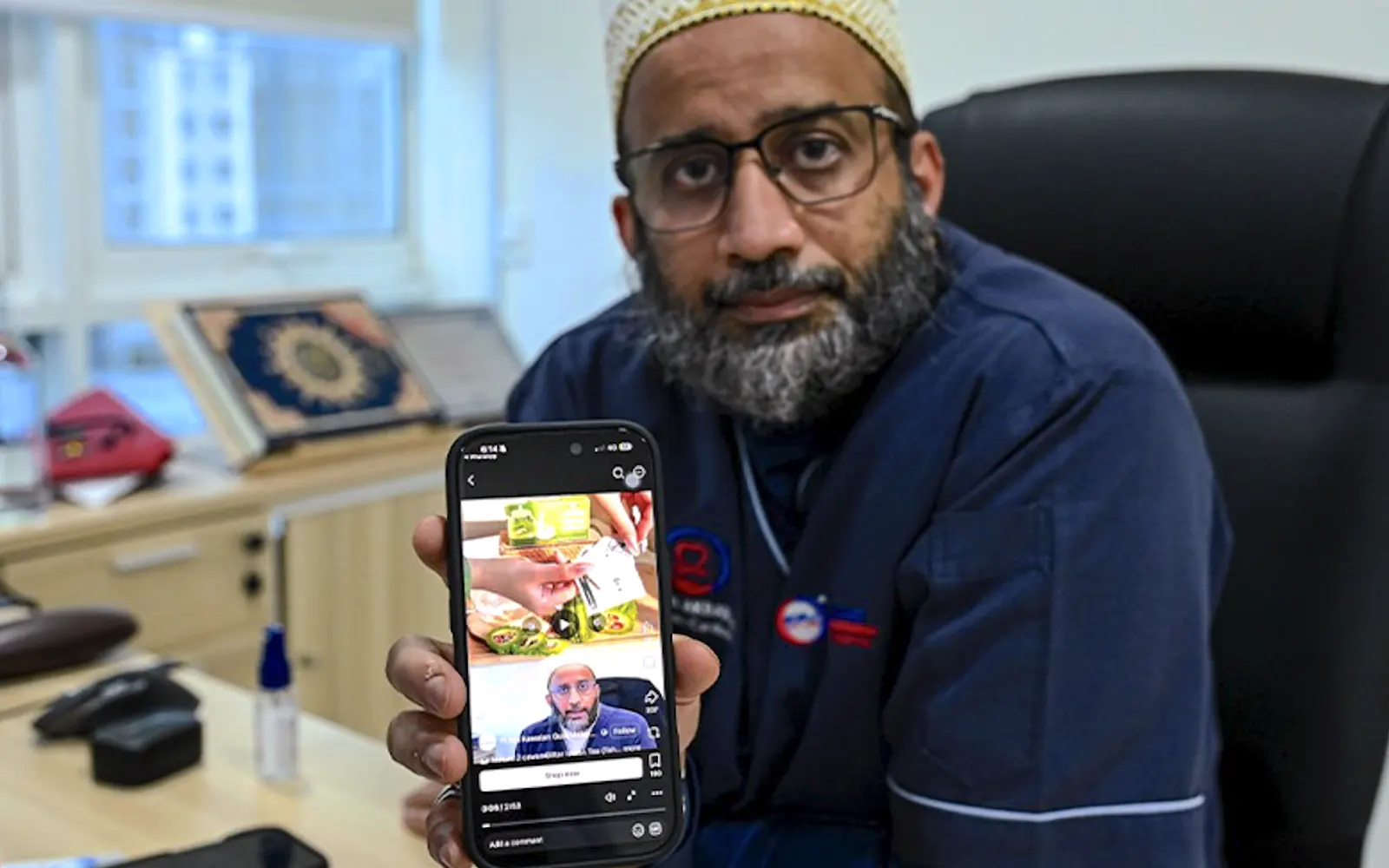
Deepfake videos have made it easier for scammers to impersonate medical professionals and promote fraudulent health products. Consultant cardiologist Dr Onn Akbar Ali recently fell victim to this tactic, with a video circulating that used his face and voice to sell a herbal tea claiming to control diabetes without medicine or side effects. The real Dr Onn expressed alarm at the incident, as his large social media following could lead people to believe the product was legitimate.
This type of impersonation is part of a broader problem where fraudsters are also mimicking pharmacies, established sellers, and healthcare professionals online. They often use familiar logos, similar account names, and AI-generated documents to make their pages appear authentic. The health ministry reported conducting over 2,800 raids involving unregistered supplements between 2023 and June, seizing nearly 1.5 million products worth more than RM75 million.
Counterfeit pharmaceutical seizures totaled over 4,000 units worth about RM85,000 during the same period.
Consumers often find it difficult to spot these scams, as convincing storefronts and professional-looking pages can mask the true identity of the seller. A 54-year-old cancer patient learned this lesson when he bought what he thought was a supplement from his hospital at a lower price from an online impersonator. The product contained harmful ingredients, leading to liver inflammation and hospitalization.
The warning signs for deepfake videos can be subtle, such as misspelled words in the background, suspicious account names, lips not matching speech, and unnatural blinking. However, these details can easily be missed by casual observers. In the case of Dr Onn's brother-in-law, a fake Facebook video showing him recommending a tea for kidney stones led him to share it with friends and buy the product.
To combat these issues, the Ministry of Health (MOH) requires registered health products to include security features like holographic labels. Consumers can use the MyUbat app to scan QR codes and verify product information. However, experts argue that consumers should not bear the entire burden of spotting fraud, especially as AI-generated material becomes increasingly convincing.
Basic caution remains essential: be skeptical of miracle cures, unusually low prices, and doctors making claims inconsistent with normal medical advice. Verify the seller's authenticity through official channels and avoid relying on social media videos simply because the person appears familiar. The most critical question is no longer "Does this sound convincing?" but rather "Is this person even real?"
Written by urgent.news from Free Malaysia Today's reporting — not their text. Machine-written — may contain errors; check the original before relying on it.
Also reported by 1 other outlet
- How AI is making health scams harder to spot freemalaysiatoday.com