Germany extends legally questionable border controls until March 2027
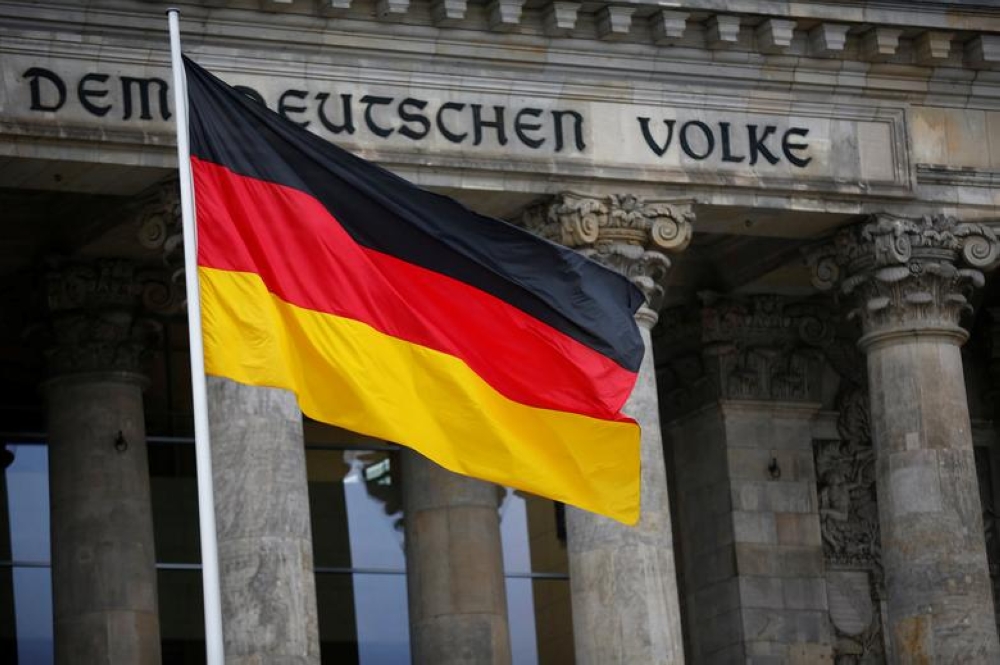
The German government has announced it will extend additional controls at all nine of its land borders until early 2027, despite questions of legality.
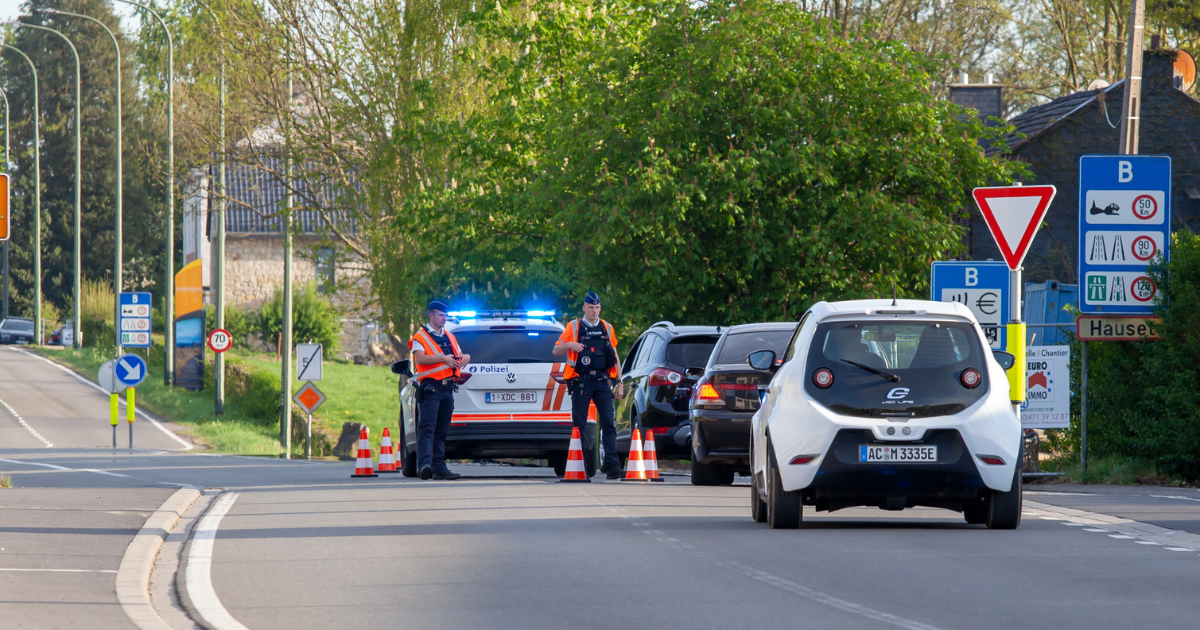
Germany's CDU/CSU-SPD government has announced the extension of additional border controls at its nine land borders until early 2027. This decision, announced by German Interior Minister Alexander Dobrindt from the CSU party, has raised questions about its legal validity. The government initially introduced these controls in Schengen Area on September 2024 and has extended them four times since. The latest extension was set to expire in September, but has now been postponed until March 2027.
Despite the extension, the Federal Interior Ministry has notified the European Commission of the decision. EU member states in Schengen Area can implement border controls, but only when there is a threat to public order or internal security. The controls in Germany have come under scrutiny as they are seen by some as potentially breaching EU Schengen laws.
A court in Koblenz ruled in May that additional checks on the Germany-Luxembourg border between March and September 2025 were not justified. The professor who brought the case, Dominik Brodowski, emphasized that the decision should not be dismissed as a one-off. He noted that it sends a strong signal for European integration, unification, and Schengen law.
Contrary to this, the EU itself has called for Germany to suspend all additional border checks. In July, EU Commissioner for Internal Affairs and Migration Magnus Brunner suggested that falling migration figures and new EU asylum rules would allow Germany to phase out the extra checks. The EU border control agency, Frontex, reported a third reduction in irregular migration in the first half of 2026.
The EU's new asylum rule, the New Pact on Migration and Asylum (GEAS), which took full effect on June 12, has been criticized for potentially undermining asylum rights. Human Rights Watch has described the reform as "taking a sledgehammer" to asylum rights at a time when Europe needs to champion human rights more than ever. Former President of the European Parliament Martin Schulz from the SPD party supported Brunner's appeal, stating that the additional controls brought nothing and broke basic European laws.
Written by urgent.news from IamExpat Germany (News)'s reporting — not their text. Machine-written — may contain errors; check the original before relying on it.
This story
This is one outlet's version. Read the fullest account.