From hospital charges to emergency care: What Maharashtra’s new healthcare Bill proposes
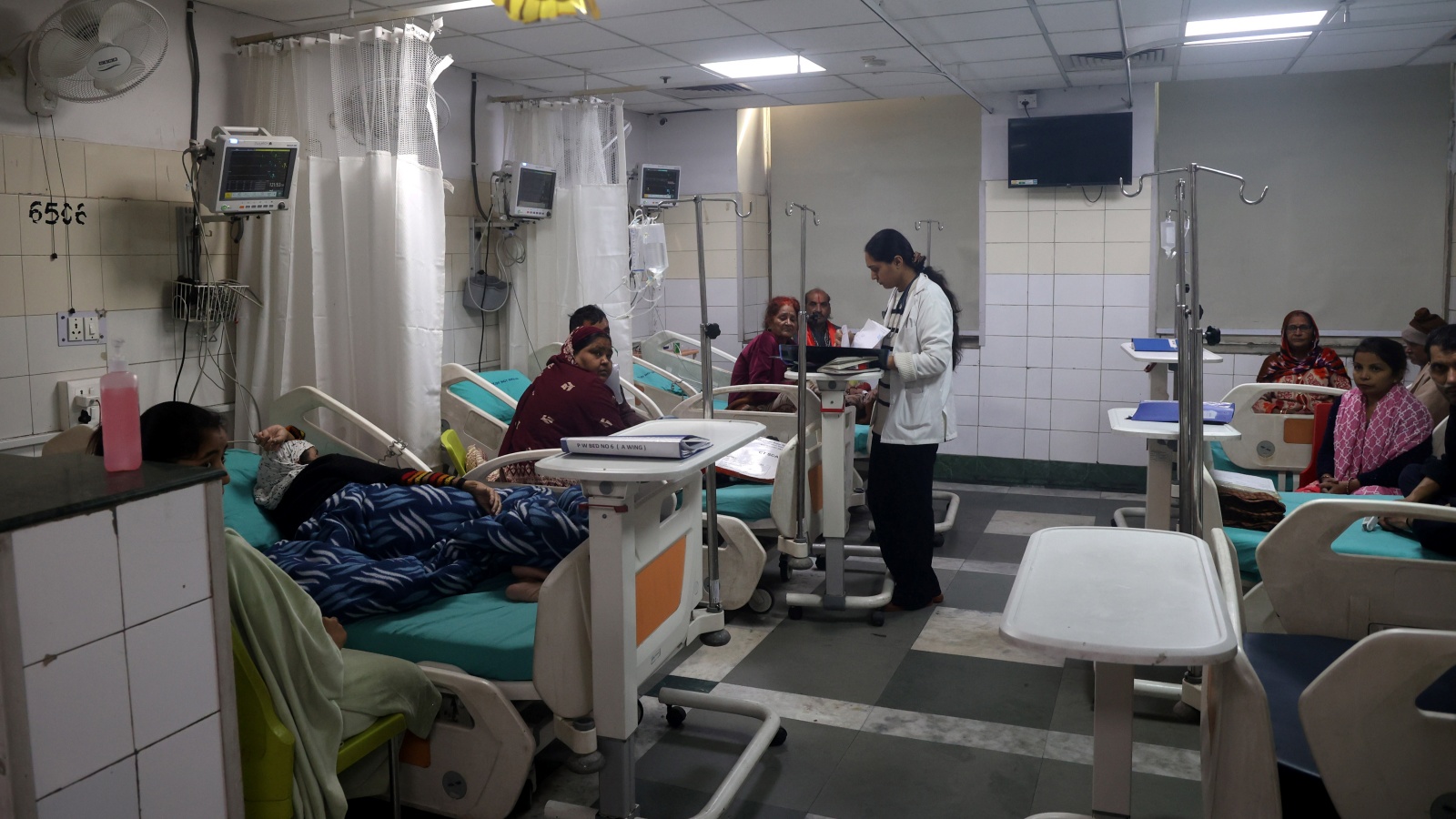
Maharashtra’s new healthcare Bill, introduced in the Assembly on July 3, aims to replace the 77-year-old law and regulate various healthcare establishments across the state. The Maharashtra Clinical Establishments (Registration and Regulation) Bill, 2026, seeks to enhance patient rights, ensure transparency in hospital charges, and establish minimum standards for hospitals, nursing and maternity homes, clinics, laboratories, and diagnostic centres. However, the Bill does not include provisions for price control on healthcare services.
Key provisions of the Bill include mandatory registration for healthcare establishments, with provisional and permanent registration available. Permanent registration remains valid for five years, after which establishments must comply with prescribed standards for infrastructure, services, staff, records, and reporting. Establishments will be classified, with the procedure to be determined by the government.
Details submitted for permanent registration can be subject to public objections for 30 days, and authorities will have the power to inspect establishments and impose penalties. A grievance redressal mechanism will be in place to deal with registration refusals, non-renewals, or cancellations.
Emergency care patients will be required to receive basic life support even if they cannot pay for it. Hospitals must follow "Golden Hour" protocols before referral, where necessary. The Patient Rights Charter outlines various rights, including access to diagnosis, treatment, estimated costs, medical records, informed consent, second opinions, privacy, dignity, and non-discrimination.
While the Bill emphasizes transparency in displaying rates in Marathi, Hindi, and English, and publishing them online, it does not set standard or maximum rates for hospital services. The government states that the outdated Maharashtra Nursing Homes Registration Act, 1949, necessitates the introduction of a broader law. The need for healthcare regulation gained momentum during the Covid-19 pandemic.
However, the Jan Arogya Abhiyan (JAA) objects to several provisions in the Bill. They argue that the Bill drops several protections introduced in 2021, such as safeguards against withholding a deceased patient's body, detaining patients over unpaid bills, provision for a female attendant during examination, explicit protection for people living with HIV, display of doctors' qualifications and registration numbers, and patients' right to choose their own medicines or diagnostic tests.
JAA also highlights the absence of a clear district- and state-level grievance mechanism in the proposed Bill, emphasizing the need for district-level grievance committees with representation from various stakeholders.
Written by urgent.news from The Indian Express's reporting — not their text. Machine-written — may contain errors; check the original before relying on it.