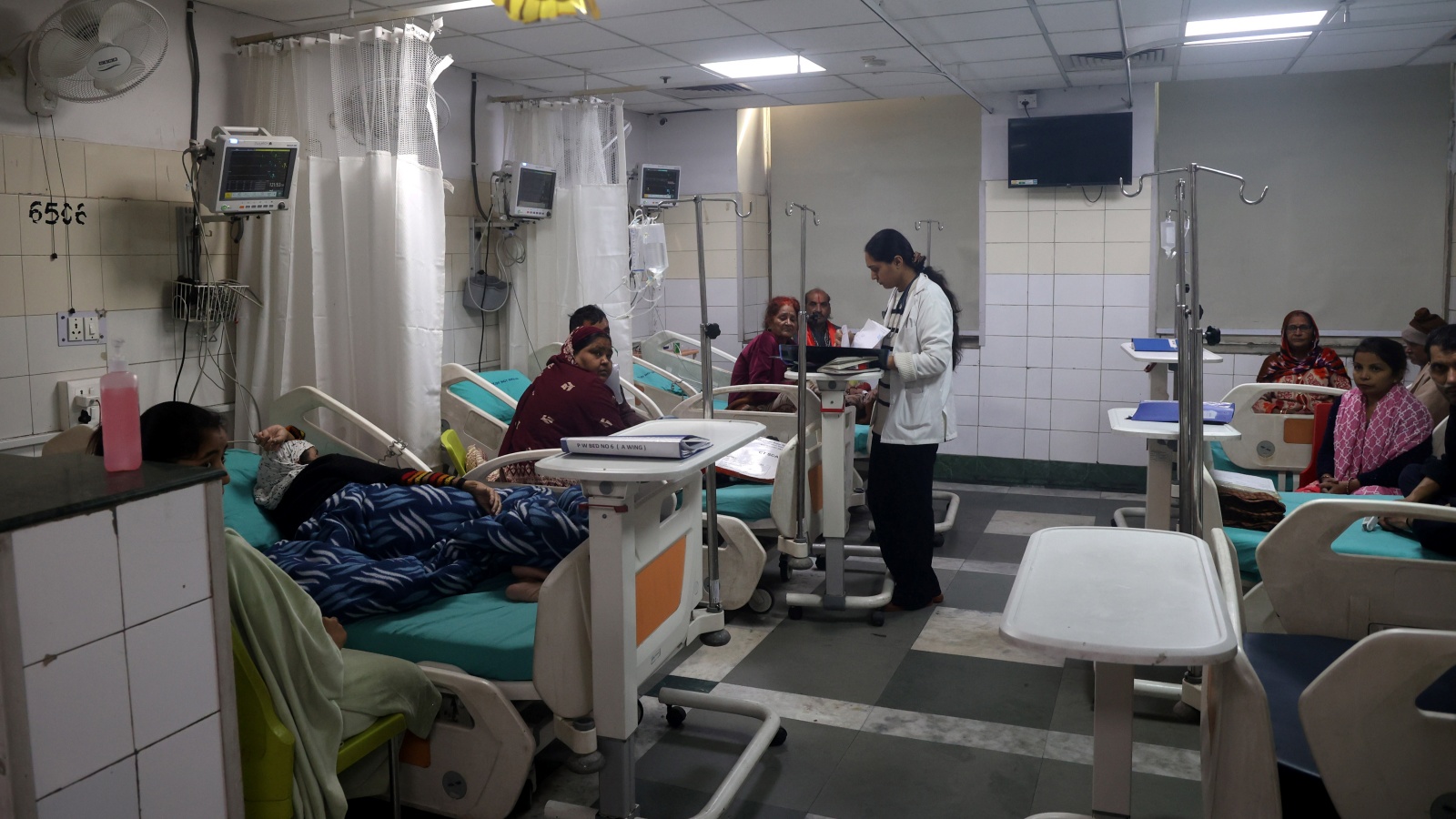
Behind the white coat: The human cost of being an intern doctor in Indonesia
Six deaths in six months have put the country’s medical internship program under scrutiny, exposing concerns over workloads, supervision and protection for those who speak up.
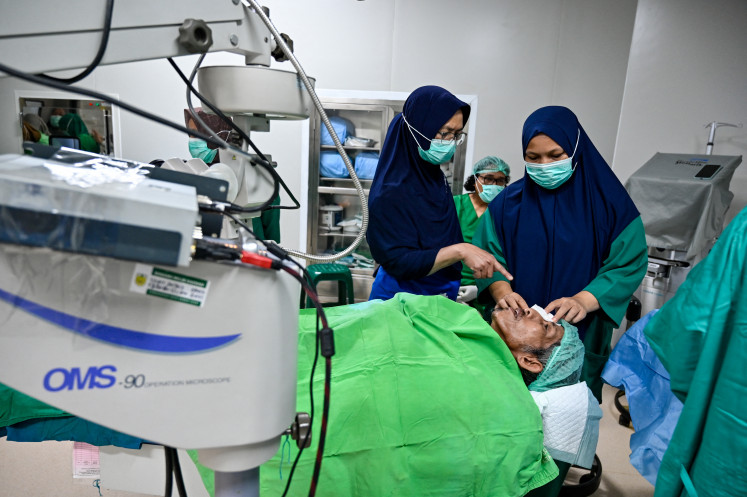
Six deaths in a six-month period have drawn attention to a critical issue within Indonesia's medical internship program. Intern doctor Nuha Amalia Alkatiri, 24, experienced the challenges firsthand after transitioning from a community health center to a regional hospital. At the community center, she treated around 40 patients daily, while at the hospital, her patient count dropped to about 20.
The demanding schedule, with her workdays starting early and ending late, led Nuha to adjust her sleep patterns to ensure adequate rest. Despite the long hours, she maintained a consistent sleep routine of six to eight hours daily, especially during her days off. Nuha found solace in the gratitude expressed by patients and their families as their health improved, which made the exhausting work worthwhile.
However, not all intern doctors share Nuha's positive experience. The Jakarta Post invites readers to share their own stories and concerns regarding the internship program, emphasizing a commitment to listening and appreciating the feedback received.
Written by urgent.news from The Jakarta Post's reporting — not their text. Machine-written — may contain errors; check the original before relying on it.