Eastern Regional Coordinating Council, UNFPA train 120 parents on adolescent sexual and reproductive health
The Eastern Regional Coordinating Council (ERCC), in collaboration with the United Nations Population Fund (UNFPA), has engaged parents on adolescent sexual and reproductive health to help them guide their children through adolescence.
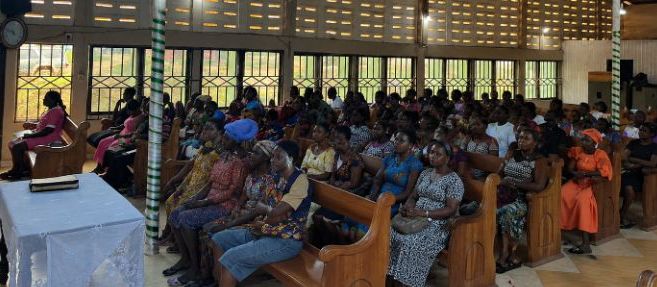
The Eastern Regional Coordinating Council, in partnership with the United Nations Population Fund, has conducted training sessions for 120 parents across the Eastern Region of Ghana. This initiative, as part of the Adolescent Girls Programme, is a component of the UNFPA-Government of Ghana Eighth Country Programme, funded by Canada. The sessions aimed to empower parents to provide accurate information and guidance to their adolescent children, helping them navigate the challenges of adolescence.
Michael Agyeman, the Eastern Regional Programme Focal Person, explained that the training complemented earlier engagements with students. He emphasized the importance of involving parents to ensure they understood the issues their children faced and could discuss them at home. The sessions were facilitated by health professionals from the Ghana Health Service and other institutions, who provided parents with crucial insights into adolescent sexual and reproductive health.
Edith Asiedua, a Public Health Nurse at the Eastern Regional Health Directorate, stressed the significance of promoting positive masculinity among boys and men. She highlighted how this could prevent violence, foster healthier relationships, and contribute to peaceful family and community living. Asiedua also cautioned parents about gender-based violence, advising them to observe changes in their children's behavior that might indicate abuse.
She urged parents to create safe homes by demonstrating respect, avoiding violence, and maintaining open communication with their children.
Asiedua introduced parents to referral pathways for addressing cases of abuse, emphasizing the roles of the Ghana Education Service, the Department of Gender, Social Welfare, and the Domestic Violence and Victim Support Unit of the Ghana Police Service, as well as community leaders. These entities are crucial in supporting families and children facing violence and abuse.
Written by urgent.news from MyJoyOnline Ghana's reporting — not their text. Machine-written — may contain errors; check the original before relying on it.