David Sinclair's Research Is Now Testing Whether Blindness—and Aging—Can Be Reversed
Harvard geneticist David Sinclair explains why his lab believes aging functions like a reversible disease— and what it will take to prove that.
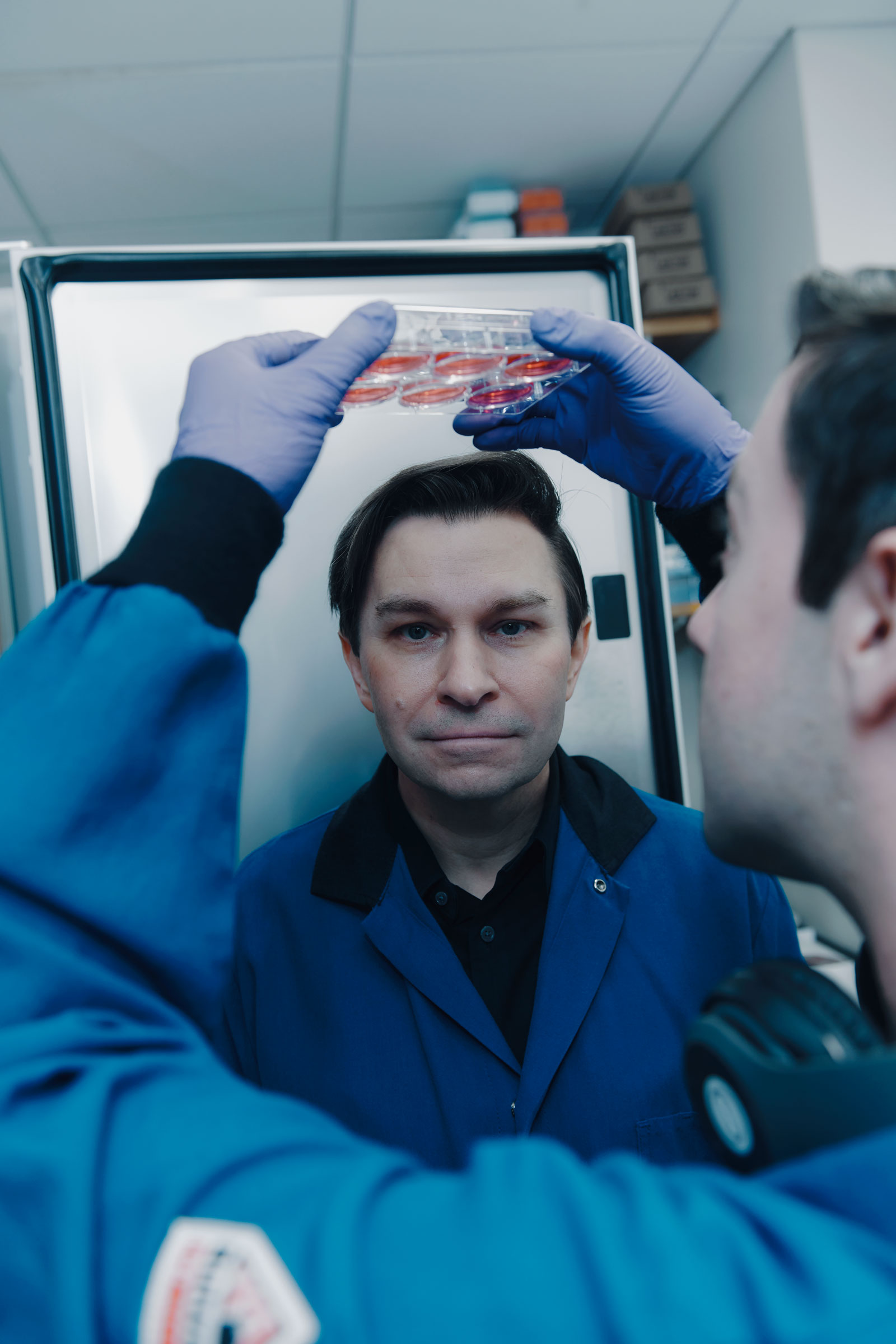
In early June of 2026, a groundbreaking cellular-rejuvenation therapy was administered to a patient with a form of glaucoma, marking an emotional first step towards reversing age-related blindness. Geneticist David Sinclair, who led the research at Harvard Medical School, explained that the therapy involves injecting a cocktail of ingredients designed to alter gene behavior in specific eye cells, restoring them to a more youthful state.
The trial, conducted by LifeBiosciences, co-founded by Sinclair, is the first of its kind to test the potential for reversing aging in certain cells. The study will involve up to 18 participants, with 12 having glaucoma and six suffering from non-arteritic anterior ischemic optic neuropathy, both conditions that can lead to blindness.
Sinclair believes that cells age when they become overwhelmed by daily exposures, and his "information theory of aging" holds that cells can be restored to their original state by erasing the "noise" and re-establishing the original signal. In lab tests using both animal models and human cells, the therapy showed beneficial effects across various tissues and organs.
Given the isolated nature of the eye from the immune system, the therapy is a promising starting point for reversing age-related diseases in other parts of the body. Despite the scientific community's cautious optimism, Sinclair remains hopeful that the trial will pave the way for new treatments to restore cells, starting with those in the eye.
Written by urgent.news from Time's reporting — not their text. Machine-written — may contain errors; check the original before relying on it.