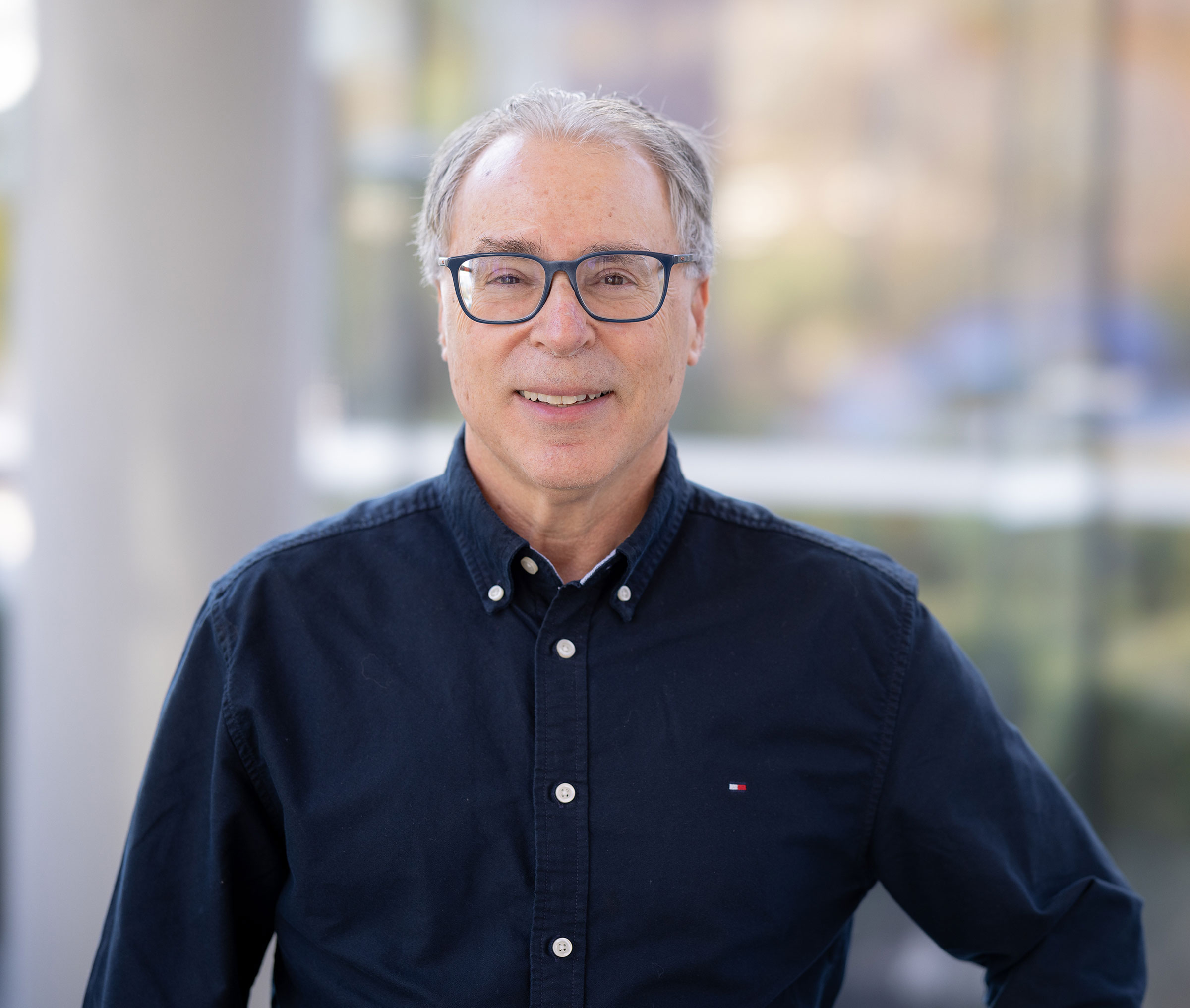
Juan Carlos Izpisua Belmonte Believes Aging May Come Down to a Cell's Identity Crisis
Rewinding cellular time could address disease and aging, says the Altos Labs co-founder.
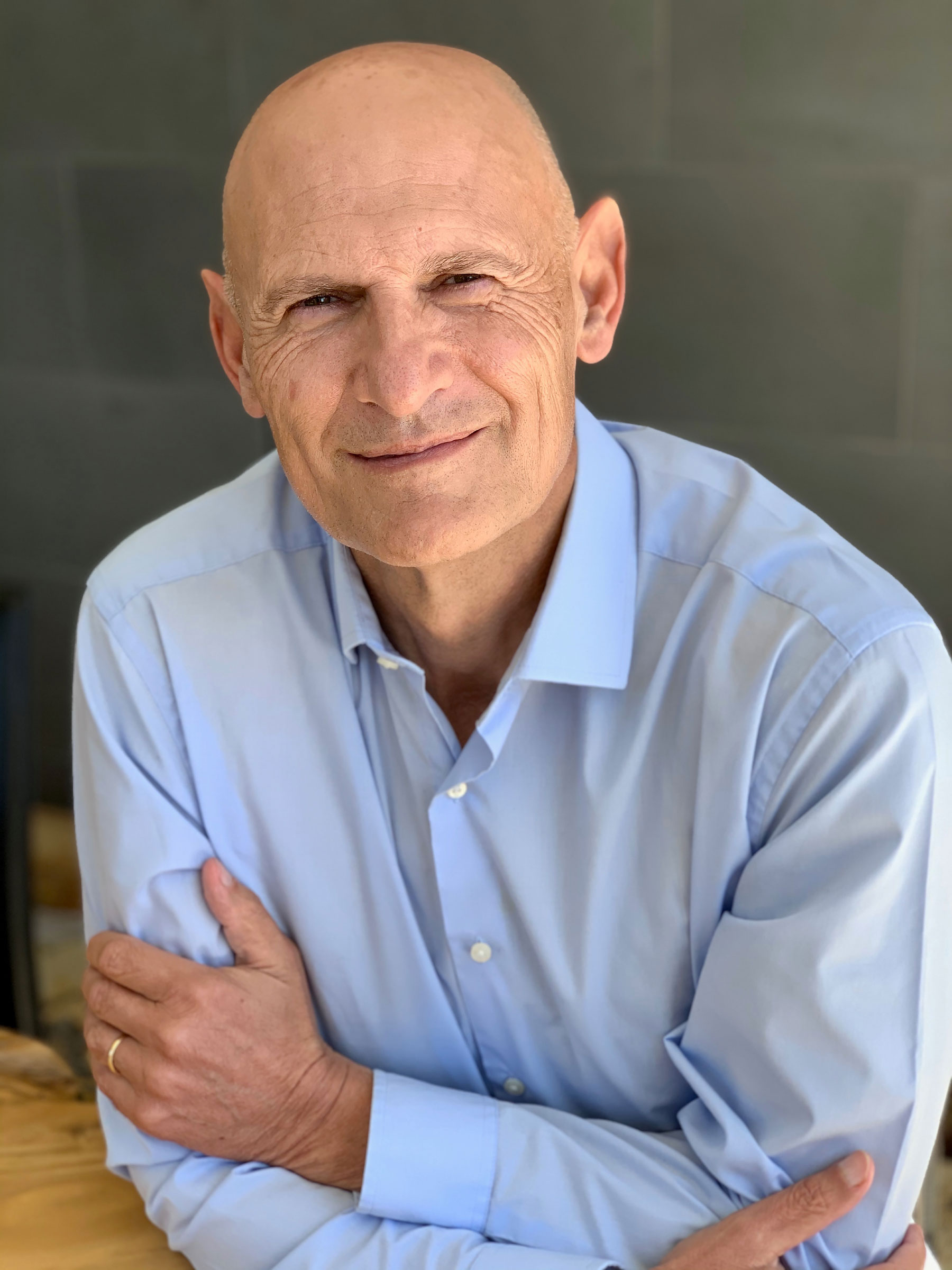
Juan Carlos Izpisua Belmonte, a leading developmental biologist at the Salk Institute, has long focused on the earliest stages of human life. Utilizing Shinya Yamanaka's groundbreaking discovery of four genes capable of reversing the aging process in adult cells, he has delved into understanding the mechanisms behind embryonic development. Recently, his research has shifted towards tackling the challenges of aging and disease by exploring cellular reprogramming.
Izpisua Belmonte co-founded Altos Labs with the goal of rejuvenating cells and restoring them to a younger, healthier state using cellular reprogramming. He posits that aging and many associated chronic diseases stem from a loss of identity in cells, which become less efficient over time. As cells age, they accumulate molecular damage and environmental stressors that disrupt their original identity, leading to stiff tissues, increased inflammation, and impaired function.
By partially reprogramming cells, rather than reverting them to an embryonic state, Izpisua Belmonte believes that cells can regain their youthful function and identity. In 2025, he demonstrated that this approach successfully rejuvenated cells in human cell cultures and mice, leading to improved organ function in the treated animals.
For example, partially reprogrammed skin cells in mice were able to regenerate tissue more effectively, indicating the potential for this technique to treat a wide range of age-related diseases.
The next step for Izpisua Belmonte and his team is to test the efficacy of partial reprogramming through organ transplantation. They are currently investigating whether rejuvenated cells can be transplanted into older animals to restore their functionality. In mice, this has shown promising results, with partially reprogrammed cells in older organs performing as well as those from younger donors, potentially extending the lifespan of the recipient mice.
While the success of these findings in mice is encouraging, Izpisua Belmonte emphasizes that further research is necessary to validate the approach in humans. He acknowledges the difference between mice and humans and stresses the importance of rigorous study. If the results hold true for humans, however, cellular rejuvenation could revolutionize the treatment of age-related diseases and extend the usefulness of aging organs for transplantation, potentially saving countless lives.
Written by urgent.news from Time's reporting — not their text. Machine-written — may contain errors; check the original before relying on it.