Congo to Receive 70,000 Doses of FDA-Approved Ebola Vaccine
(MedPage Today) -- Congo will receive 70,000 doses of the rVSVΔG-ZEBOV-GP (Ervebo) vaccine, which has been effective in past Ebola outbreaks, the World Health Organization (WHO) and partners said Thursday, announcing a step seen as a major...
The World Health Organization (WHO) has announced that the Democratic Republic of Congo will receive 70,000 doses of the rVSVΔG-ZEBOV-GP (Ervebo) Ebola vaccine, a significant development in the fight against the world's fastest Ebola outbreak. This single-dose live-attenuated vaccine, licensed for use against the Zaire virus, has shown promise in early laboratory and animal studies for potential protection against the Bundibugyo virus, which is responsible for the current outbreak.
Out of the 70,000 doses, 20,000 will be allocated for a phase III trial to assess the vaccine's effectiveness against the Bundibugyo virus. The remaining 50,000 doses will be used to protect frontline workers and health workers in the affected areas. The allocation follows a request from the Congolese government, with the doses expected to be released immediately.
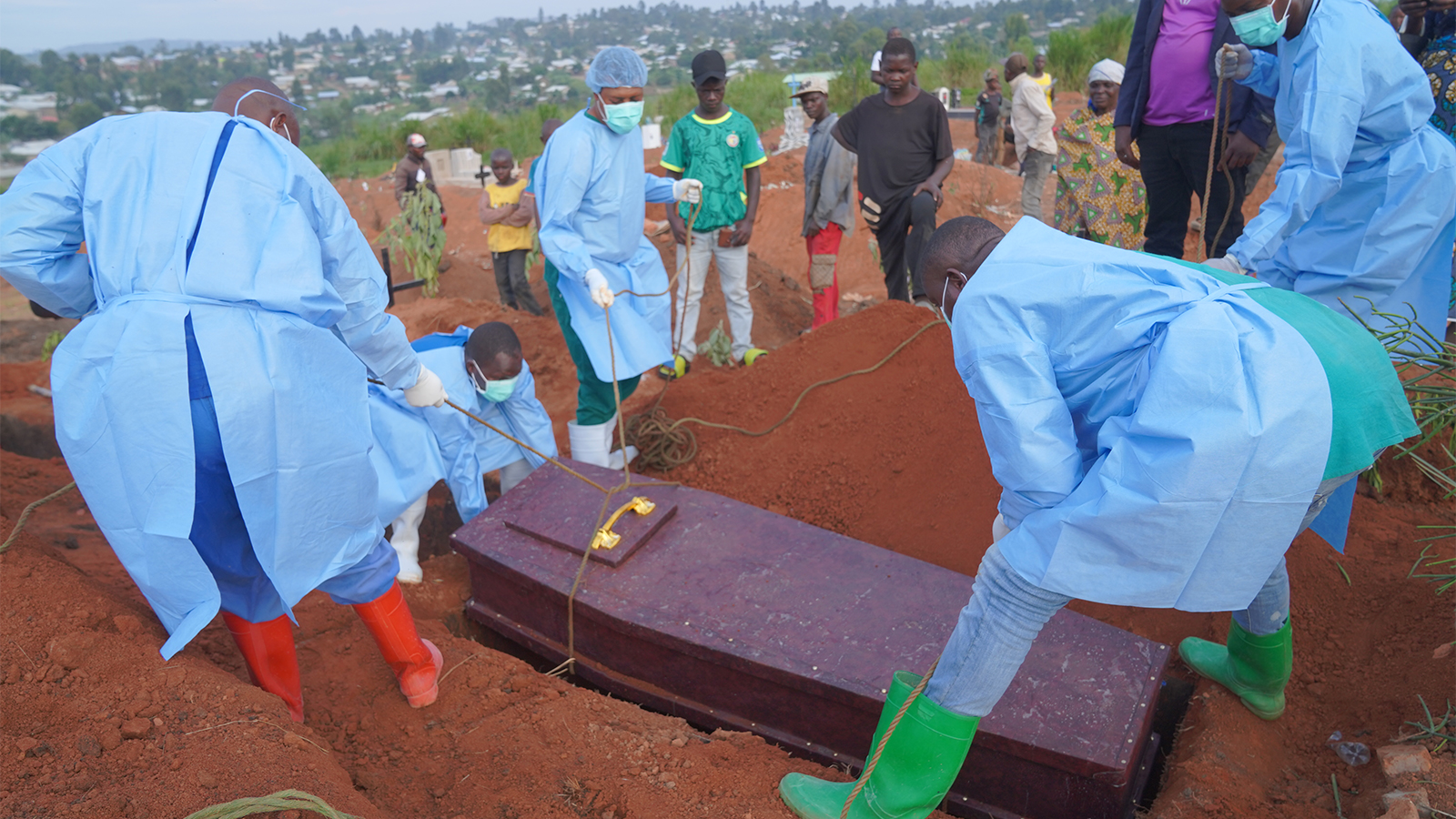
Ebola has been raging in six provinces in eastern Congo, infecting and killing more people at a faster rate than any other outbreak in history. The current outbreak is spreading about three times faster than the 2014-2016 outbreak in West Africa, which was the deadliest on record, claiming over 11,000 lives. The International Coordinating Group on Vaccine Provision, including WHO and other partners, will release the doses within 48 hours of Congo's request.
WHO Director-General Tedros Adhanom Ghebreyesus expressed his gratitude for the vaccine donation, calling it an example of global solidarity. He emphasized that WHO and its partners remain committed to supporting surveillance, rapid detection, quality care, community engagement, and vaccination efforts to control the outbreak. The lack of approved vaccines or treatments for the rare Bundibugyo virus has been a major challenge for responders, with most new cases reported outside of monitored individuals, indicating the virus's rapid spread.
The case fatality rate stands at 47.5%, but it is as high as 70% in regions with more challenging response efforts, such as North Kivu province. Experts believe the virus may have started spreading from the mining town of Mongbwalu as early as February, months before the outbreak was declared on May 15.
Written by urgent.news from MedPage Today's reporting — not their text. Machine-written — may contain errors; check the original before relying on it.