Chinese stem cell therapy reverses heart failure in 90% of patients in landmark trial
A hospital in east China has used reprogrammed stem cells to treat severe heart failure, with 90 per cent of patients showing significant recovery in heart function after the novel therapy. On Wednesday, Nanjing Drum Tower Hospital, affiliated with Nanjing University, released the long-term follow-up results of a phase 2 clinical study, which was published in the journal Nature Medicine. While…
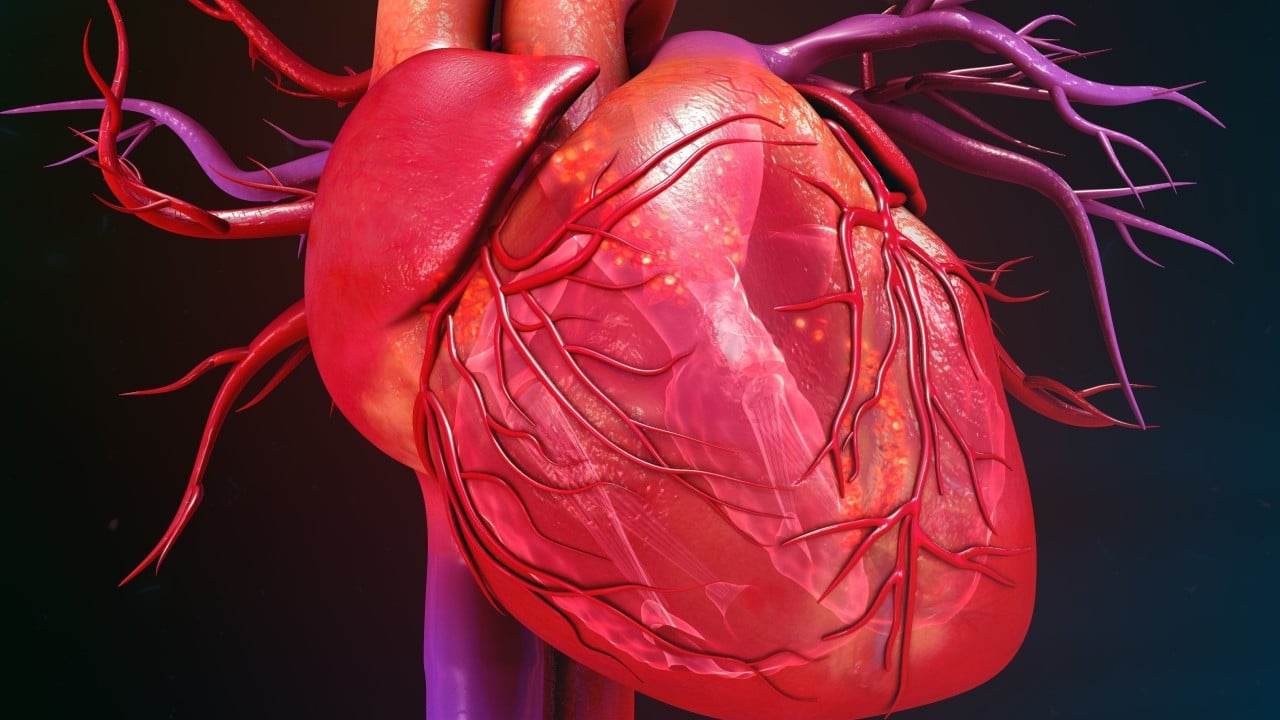
In a landmark clinical trial, Chinese researchers have discovered a stem cell therapy that can effectively reverse severe heart failure in 90 percent of patients. Nanjing Drum Tower Hospital, affiliated with Nanjing University, released the long-term follow-up results of the Phase 2 study, published in the journal Nature Medicine. The innovative treatment involves injecting heart muscle cells derived from induced pluripotent stem cells (iPSCs) into diseased areas of the heart.
Unlike dead heart muscle that cannot regenerate, iPSCs have the unique ability to differentiate into any cell type, including cardiac tissue. The study involved 20 patients with advanced coronary artery disease, divided equally into two groups. Ten patients received cell therapy during coronary artery bypass surgery, while the other ten underwent surgery alone as the control group.
Over a 12-month follow-up period, all ten patients in the experimental group survived, compared to one patient in the control group who died suddenly after surgery.
At the 12-month mark, the experimental group showed remarkable improvements. Nine out of ten patients restored their cardiac function to NYHA Class II, indicating only mild symptoms with normal daily activity. They experienced significant reduction in chest tightness and shortness of breath. In contrast, only 60 percent of the control group reached this level of improvement.
Moreover, patients in the stem cell therapy group performed better on a six-minute walk test, covering an average of 168.8 meters compared to the control group's 83.5 meters.
Cardiac pumping capacity also improved in the cell therapy group, with stroke volume increasing while it decreased in the control group. Importantly, the therapy showed no adverse events, such as tumours or malignant arrhythmia, providing preliminary evidence of its safety and effectiveness. This pioneering study, the world's largest randomized controlled trial of iPSC-derived heart muscle cells, offers hope for heart failure patients globally, potentially allowing them to regain a "strongly beating heart" without the need for a heart transplant.
Written by urgent.news from South China Morning Post's reporting — not their text. Machine-written — may contain errors; check the original before relying on it.
This story
This is one outlet's version. Read the fullest account.