Brain imaging reveals why some people struggle to resist sweet foods
A recent brain imaging study reveals that people who rapidly remove the reward chemical dopamine after a sugar spike may have a harder time controlling their cravings for sweet foods.
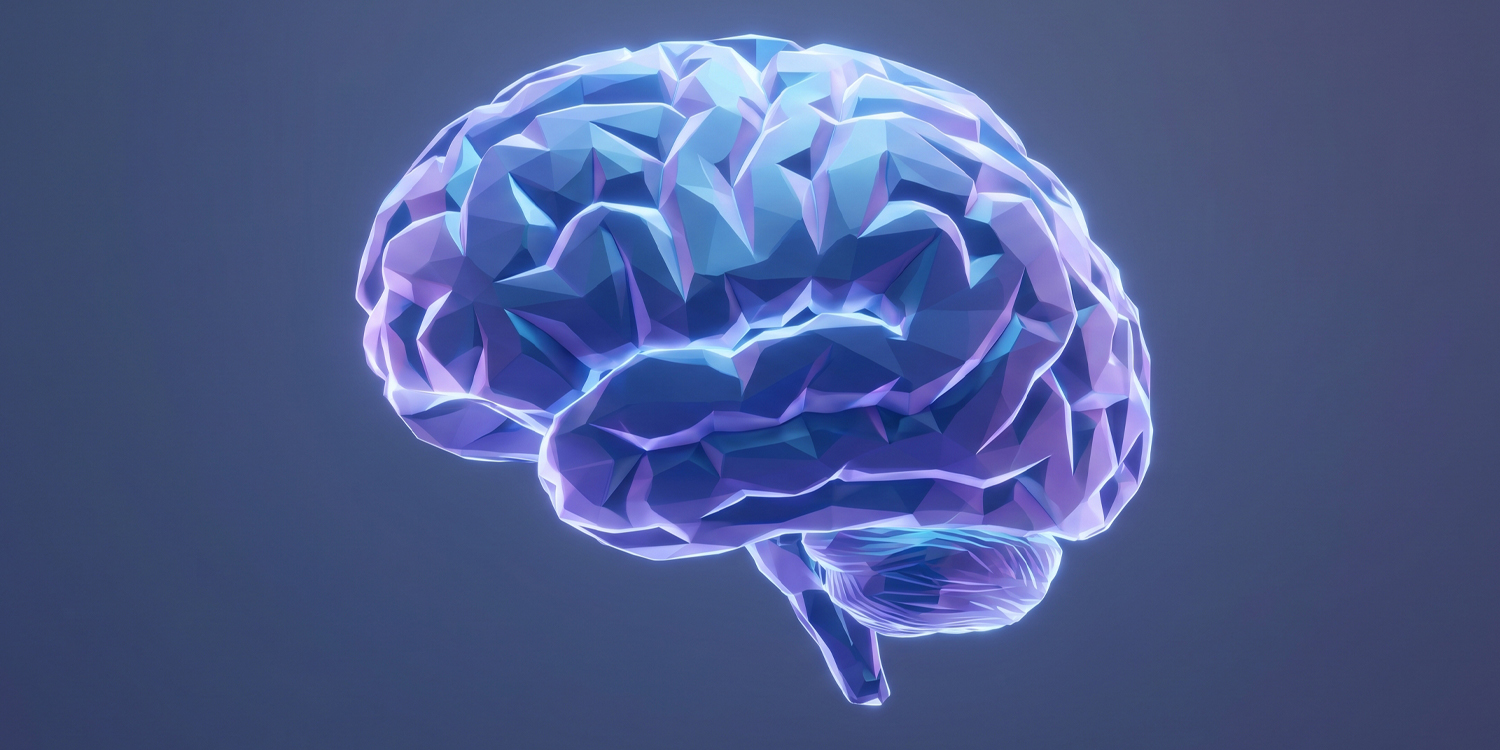
A recent study published in Human Brain Mapping has uncovered a potential reason why some individuals find it more challenging to resist sweet foods. The research focused on the brain's dopamine system, which plays a crucial role in regulating our food intake and reward-driven behaviors. When we consume sugary treats, dopamine levels spike, making us feel pleasure and encouraging further consumption.
However, the study suggests that some people may possess an overactive dopamine transporter system, which rapidly clears dopamine from the brain's reward centers. This could leave these individuals craving more sweets to maintain the pleasurable feelings associated with the initial dopamine surge. The researchers recruited thirty-five healthy young men for the study, whom they divided into three groups.
Each participant underwent three separate visits to the hospital, during which they fasted overnight to ensure consistent baseline brain chemistry and hormone levels. On two of these visits, the participants received an intravenous infusion of either glucose or a placebo, while their brain activity was monitored using PET scans.
The glucose infusion mimicked the body's response to eating carbohydrate-heavy meals, leading to increased blood sugar and insulin levels. The researchers found that dopamine transporter availability was higher following the glucose infusion compared to the placebo infusion. Participants with higher dopamine transporter availability also scored higher on a sweet taste questionnaire, indicating a greater sensitivity to the mood-altering effects of sweets and a harder time controlling their consumption of them.
The researchers did not find this relationship when analyzing baseline scans taken during the fasting period or when considering other factors such as brain glucose metabolism and body mass index. This study suggests that an overactive dopamine transporter system may predispose some individuals to struggle with resisting sweet foods, contributing to the global obesity epidemic and associated health risks.
Written by urgent.news from PsyPost's reporting — not their text. Machine-written — may contain errors; check the original before relying on it.