Cats likely identify one another using fatty acids in urine, research shows
The team's findings were published in the online edition of U.S. scientific journal Current Biology on Wednesday.
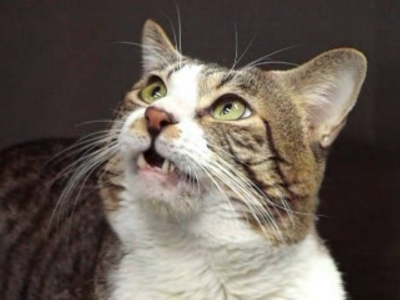
An international research team, including scientists from Japan's Iwate University, has discovered that cats identify one another by scenting unique fatty acids in their urine. The findings were published in the scientific journal Current Biology. Professor Masao Miyazaki of Iwate University and his colleagues observed that cats exhibit a Flehmen response, with their mouths slightly open, when exposed to unfamiliar urine odors.
This response typically occurs when cats meet other cats they do not recognize. During their investigation, the researchers identified 13 types of branched-chain fatty acids within cat urine, which vary among individual cats. These fatty acids are semivolatile, allowing the odors to persist for an extended period. The team also found that lipids, including the fatty acids, are stored as lipid droplets in the cats' kidneys.
Similar fatty acids and renal lipid droplets were discovered in other feline species, such as lions, tigers, leopards, and the Iriomote cat, an indigenous species in Japan. The composition of fatty acids differs among feline species, a trait likely developed through their evolutionary history.
Written by urgent.news from Japan Times's reporting — not their text. Machine-written — may contain errors; check the original before relying on it.