Brussels stresses Spain's "duty" to protect vulnerable minors in Ceuta despite calling for the return of irregular migrants
La Comisión, que aún no ha sido informada formalmente de los planes de reubicar a unas 500 niñas en la Península, subraya la “clara expectativa” de que todos los que entraron ilegalmente sean devueltos a Marruecos
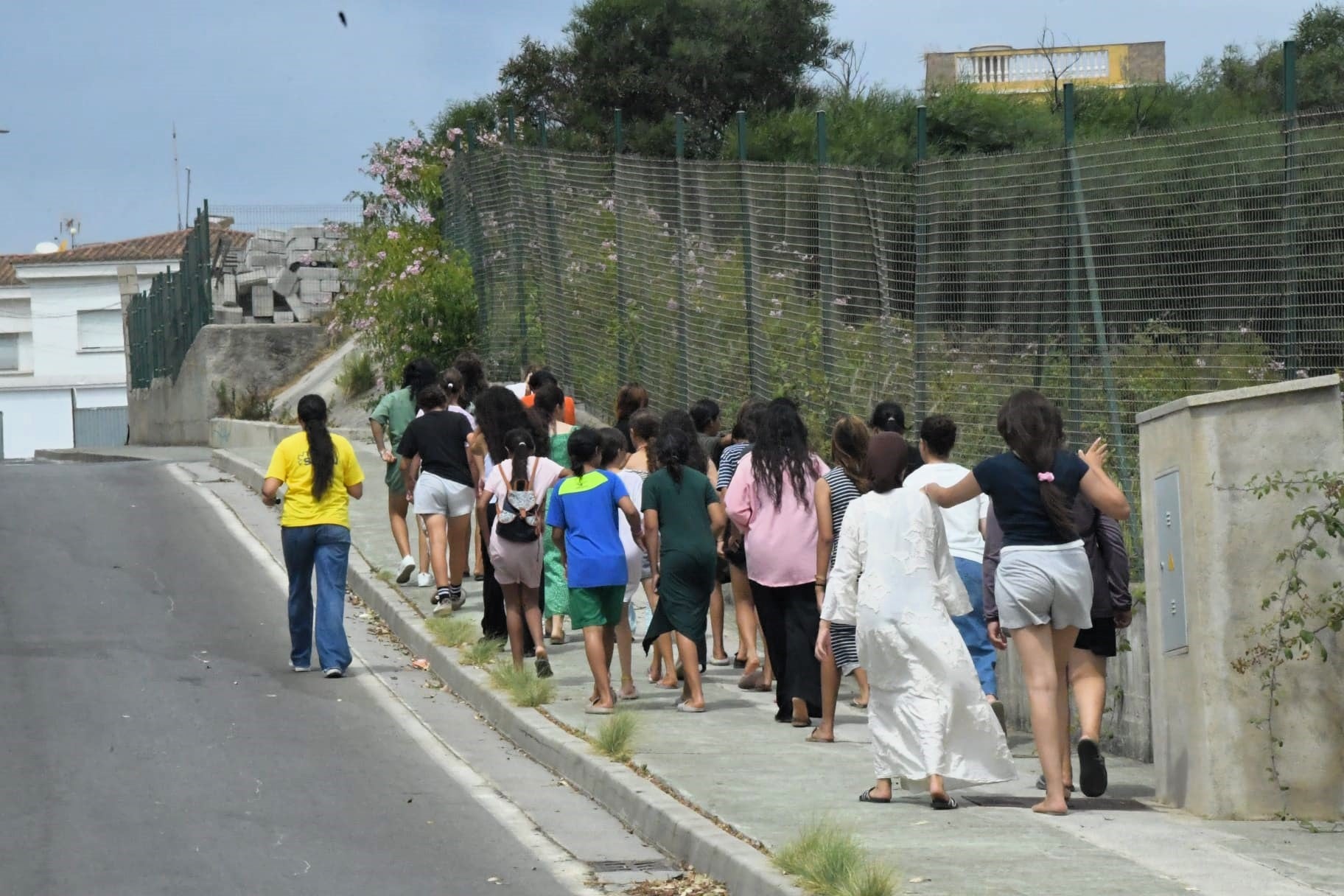
During the Ceuta crisis, around 80,000 individuals entered illegally, with Moroccan authorities turning a blind eye to the issue. Currently, only approximately 8,000 remain in Ceuta, a city with a population of just 83,000 inhabitants. The true extent of the crisis appears to be around 5,000 people, comprising minors (around 2,500) and potential asylum seekers (2,500 more), according to government estimates.
The origins of the crisis remain unclear, influenced by socio-economic and political factors, misinformation on social media, and Morocco's failure to address the unrest. Two weeks later, speculation still outweighs facts, but at least the numbers are becoming clearer. The government has increased the number of entries into Ceuta in late July to 80,000, of which 90% has returned to Morocco.
However, Ceuta continues to host around 8,000 individuals in makeshift infrastructures and beaches, causing significant stress on the city's services. The government estimates the number of migrants who can be accommodated to be up to 5,000, with 2,500 of them being minors (including roughly 1,000 more than previously estimated) and 2,500 potential asylum seekers.
The remaining 3,000 are termed "economic migrants," mostly older Moroccan men, but also from other countries without the option of asylum. Spain is obligated to accommodate the 2,500 minors, although if these minors wish to return with their families, that will be their fate; only a minority of cases fall into this category. There are approximately 2,500 sub-Saharan migrants, primarily concentrated at Trampolín beach, who may be eligible to apply for asylum on a case-by-case basis.
The European Parliament considers Morocco to be a safe country; Syria, Afghanistan, Ukraine, Venezuela, and Mali are among the nationalities that often seek asylum. Among the 2,500 minors still in Morocco are around 600 girls and 400 children under the age of 13. The Ceuta crisis demonstrates that the profile of irregular entries is changing, with more girls and younger children entering.
The focus now is on accelerating efforts to provide assistance to those who have a right to accommodation due to the risks of an extended emergency situation. The government is considering allocating an additional 25 million euros for the care of minors, and a sectorial conference will be held at the end of August to distribute the minors among the autonomous communities and among families offering to care for them.
Written by urgent.news from El Pais's reporting — not their text. Machine-written — may contain errors; check the original before relying on it.
This story
This is one outlet's version. Read the fullest account.