Bilingual and Multilingual Education: Harnessing linguistic diversity for better learning
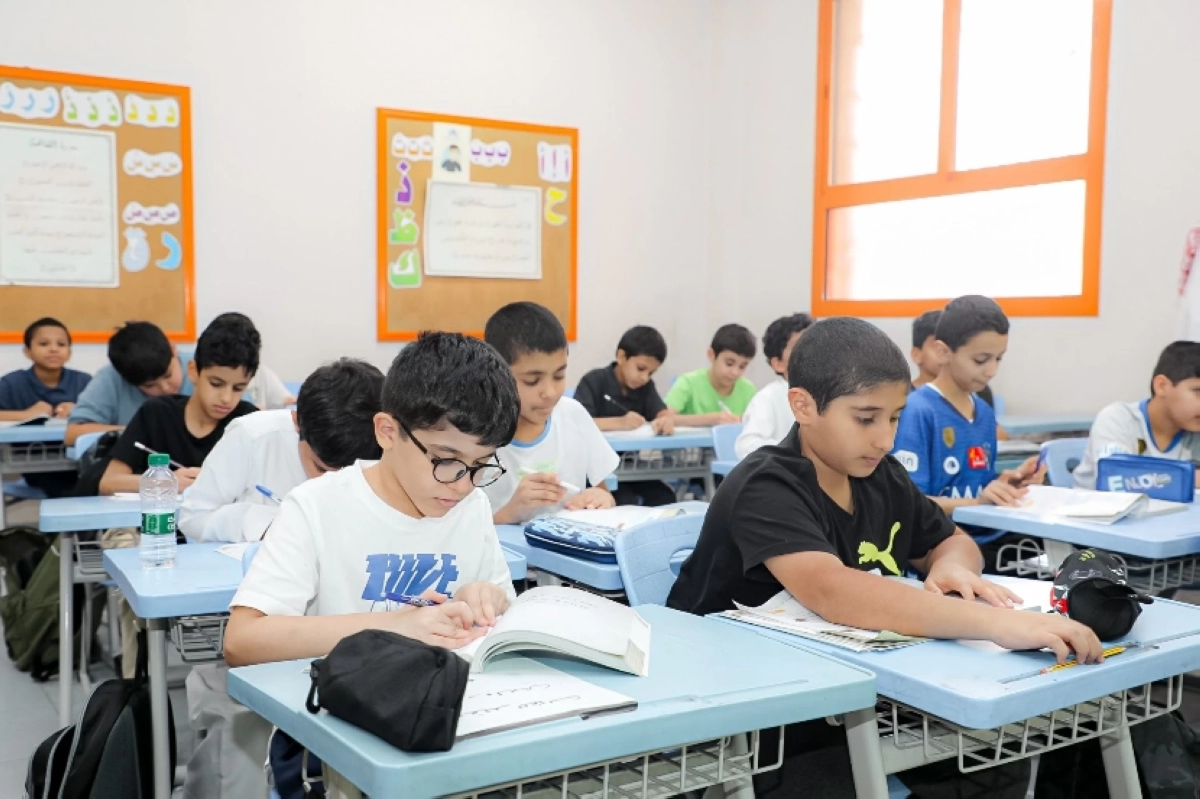
Walk into almost any classroom in the world today, and you are likely to hear more than one language. This is not unusual; it is the reality of modern education. Renowned linguist François Grosjean estimates that between half and three-quarters of the world’s population speaks two or more languages. In an increasingly interconnected world, bilingualism and multilingualism are no longer optional…
In today's world, classrooms are often filled with the sounds of multiple languages, reflecting a global trend. Linguist François Grosjean suggests that between half and three-quarters of humanity speaks more than one language. As our world becomes more interconnected, the ability to speak multiple languages is no longer a luxury, but a necessity for life, work, and learning.
Consequently, many nations are broadening their language policies by incorporating additional international and regional languages into their school curricula. This is aimed at equipping young people with competencies that transcend national borders in areas such as education, business, technology, diplomacy, and innovation. Language skills have evolved beyond mere communication tools; they symbolize the ability to open doors to new opportunities.
Research consistently indicates that learning additional languages does not necessitate the abandonment of one's first language. Instead, a solid foundation in the mother tongue supports cognitive development and makes learning other languages easier. In education, languages should complement each other, enhancing understanding and broadening perspectives.
Teachers recognize this in their daily classrooms. One effective strategy is code-switching, which involves purposefully moving between languages to explain complex concepts or clarify meaning. When executed correctly, this is not a sign of ineffective teaching but a demonstration of skilled pedagogy. It aids learners in connecting new ideas with existing knowledge, making learning more meaningful and inclusive.
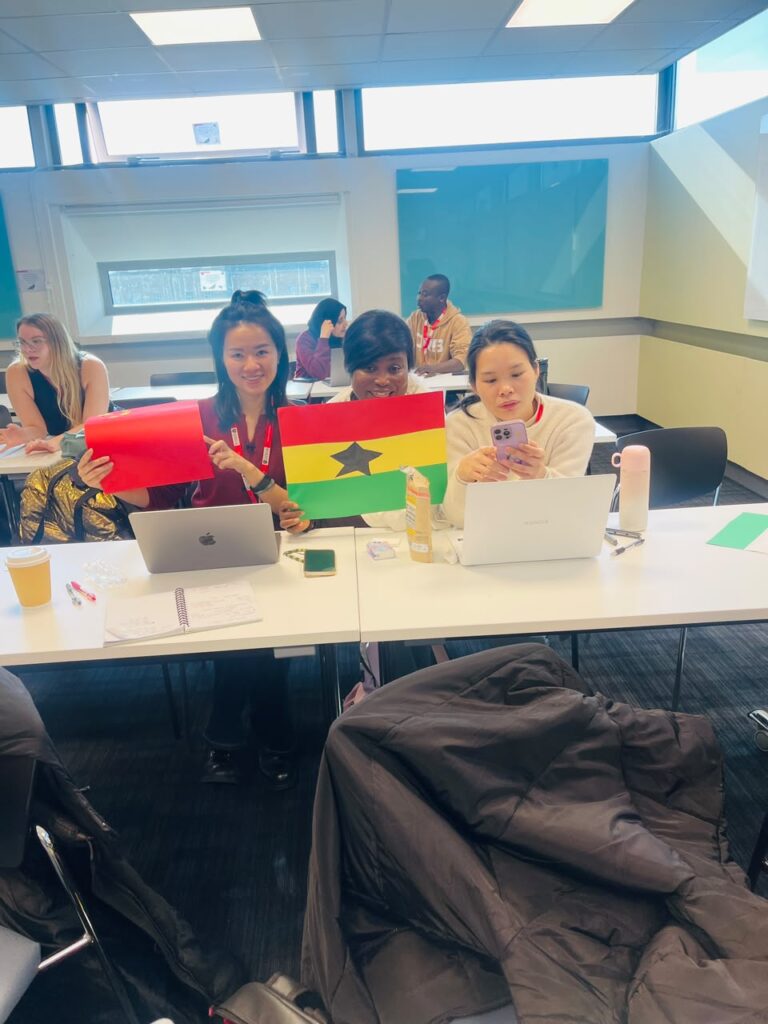
While expanding language offerings appears straightforward, successful implementation poses significant challenges. Ghana must be cautious if it decides to expand opportunities for learners to study additional international languages. Simply including language options in curriculum documents is not enough. It requires well-trained teachers, classrooms equipped with appropriate resources, continuous professional development, effective supervision, and sustained investment in implementation. Often, educational reforms falter because the necessary systems to support teachers are neglected.
The global push for multilingual education offers Ghana a chance to enhance its education system while preparing learners for an interconnected world. However, the focus should extend beyond merely adding another international language to the curriculum. The real challenge lies in ensuring that any introduced language is thoughtfully implemented, adequately resourced, and supported from the classroom to the national level.
The success of multilingual education will be determined not by the number of languages listed in the curriculum, but by whether teachers are empowered to teach them effectively and whether learners can use them confidently and meaningfully. Ultimately, it is implementation—not just policy adoption—that turns good intentions into lasting impact.
Written by urgent.news from MyJoyOnline Ghana's reporting — not their text. Machine-written — may contain errors; check the original before relying on it.