Beryl Markham crossed Atlantic solo in 1936 and crash-landed in Canada
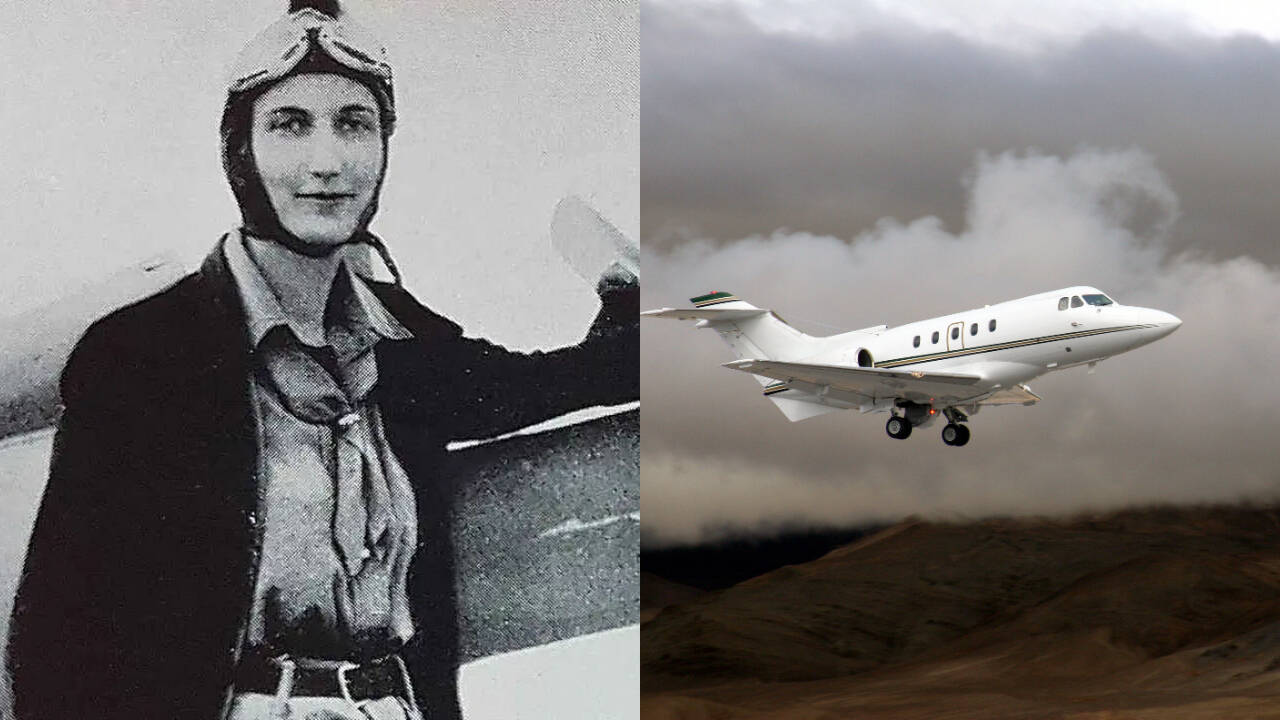
On September 4, 1936, Beryl Markham embarked on a solitary crossing of the Atlantic, aiming to become the first woman to fly solo from England to North America. The 33-year-old pilot, born in England but raised in colonial Kenya, was no stranger to adventure. She had spent her childhood in the African wilderness, learning to navigate without roads or landmarks, and had trained thoroughbreds for a living.
Now, she took the controls of a Percival Vega Gull named The Messenger, determined to face the challenges of an east-west crossing, which was particularly difficult due to prevailing headwinds.
For about 20 hours, Markham battled the elements, including cold temperatures, exhaustion, and the relentless Atlantic wind. However, her experience as a bush pilot in East Africa proved invaluable. She was accustomed to relying on her own judgment and self-reliance, skills that would serve her well in the face of adversity. As she approached the North American coast, ice began to clog the fuel-tank vents, starving the engine of fuel.
With no other choice, Markham made a crash landing in a peat bog on Cape Breton Island, Canada. Despite the rough landing, the pilot emerged from the wreckage alive, having cut her forehead. Her intended destination was New York, but she had successfully made history by becoming the first woman to fly solo across the Atlantic in either direction and the first person to fly nonstop from England to North America.
Written by urgent.news from Times of India's reporting — not their text. Machine-written — may contain errors; check the original before relying on it.