Analysis-Target’s grocery bet is paying off. Now it must get shoppers beyond the snack aisle
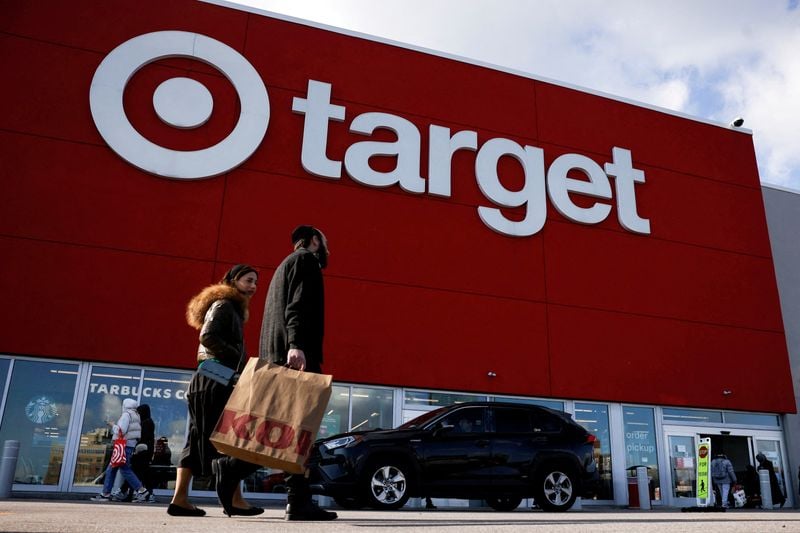
Target's foray into groceries has proven successful, driving its fastest growth in that sector in three years, but the company must now convince shoppers to extend their purchases beyond the snack aisle. Food and beverage sales rose by 7% in the quarter ending August 1, following a pattern of improved growth over previous periods.
This success is due to Target's CEO Michael Fiddelke's efforts to elevate groceries as a more significant draw, with new CEO Michael Fiddelke pushing to make the grocery section a more significant draw. However, food carries lower margins compared to apparel, home goods, and other discretionary merchandise, meaning Target's strategy must translate into increased overall spending, according to investors and analysts.
Sarah Henry, a managing director at Target shareholder Logan Capital Management, emphasized that grocery shopping brings customers into stores more frequently than most other discretionary purchases, making food a crucial traffic driver for a retailer aiming to regain momentum. Target has revamped its grocery department, focusing on higher-growth categories such as protein snacks like Misfits bars and Khloud chips, and redesigning aisles and displays to encourage browsing and impulse purchases.
While grocery accounts for less than a quarter of Target's merchandise sales, significantly lower than Walmart's 59% share, the goal is not to match Walmart's scale but for Target's food business to grow faster than the category and attract additional foot traffic throughout the store, according to consumer research director Jacob Aiken-Phillips.
Target plans to add approximately 600 private-label food and beverage products over the next two years, with the strategy expected to drive more than $2 billion in growth over the coming years. The strategy appears to be gaining traction, with traffic up 3.6% in the latest quarter, and snacks, a strong food category, growing by 15%.
However, the real test lies in the second half of the year, which includes back-to-school and holiday shopping, as highlighted by Logan Capital's Sarah Henry. Target's growth in other categories has been mixed, with hardlines (Fun 101) up 10.6% and beauty sales increasing by about 7%, but home furnishings and apparel remaining roughly flat.
Analysts believe that changes in home and apparel will start to show impact in the second half of the year and beyond. Some experts caution that merchandising overhauls can lead to a temporary boost in traffic and sales that usually steadies after two or three quarters, but Target's grocery changes have notably improved the customer experience, a view increasingly shared by investors who see early evidence that Fiddelke's turnaround efforts are paying off.
Written by urgent.news from Investing.com's reporting — not their text. Machine-written — may contain errors; check the original before relying on it.