Analysis: Shooting from the hip: Prabowo's unscripted presidency
President Prabowo Subianto's tenure has been marked by a recurring pattern of rhetorical detours. His supporters see his direct, unscripted style as refreshingly authentic; critics see a habit that regularly produces high-profile verbal slips with real domestic and international consequences.
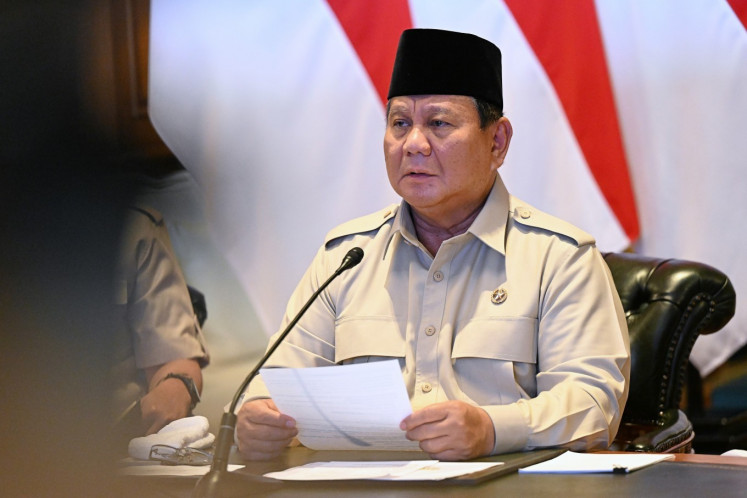
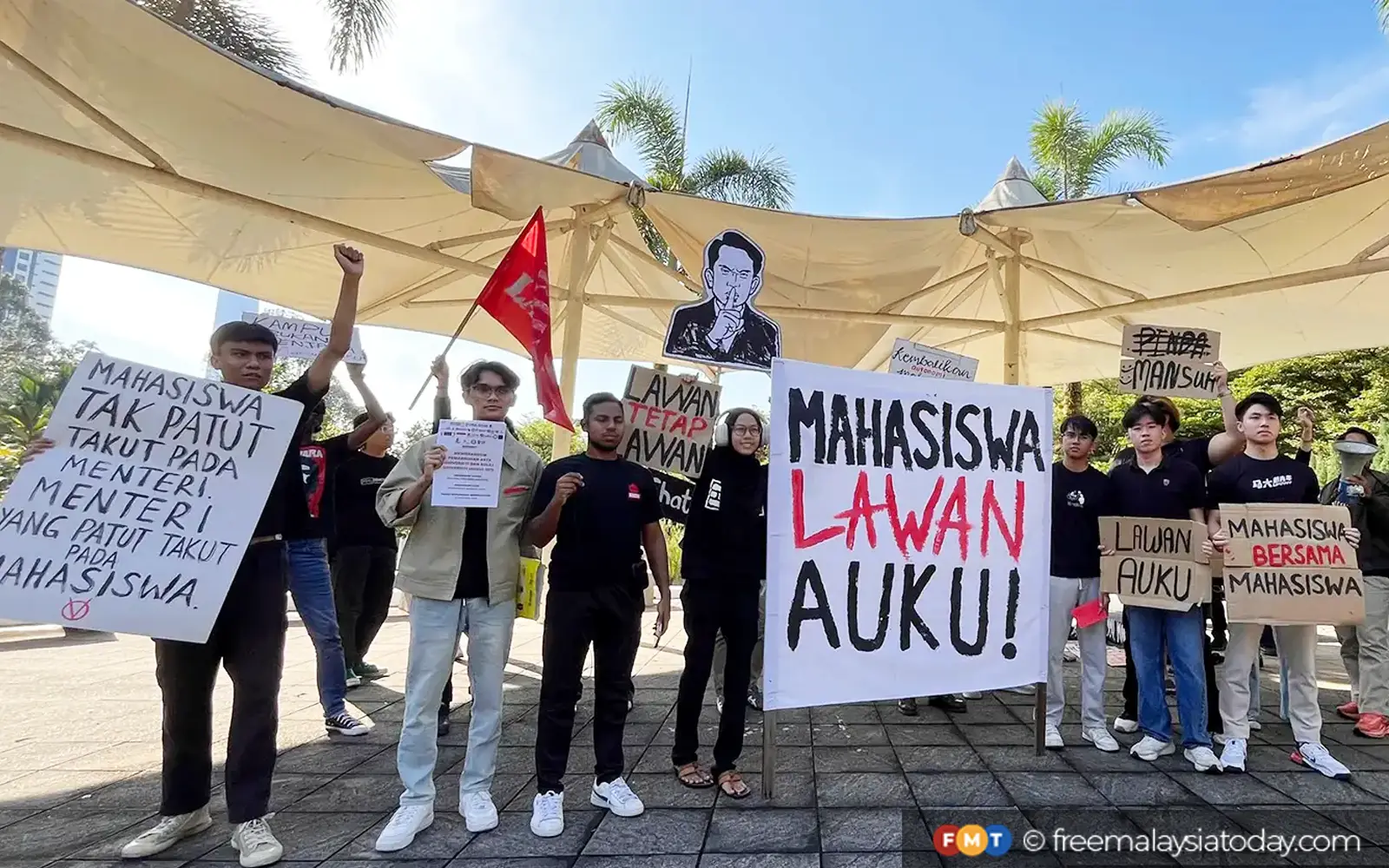
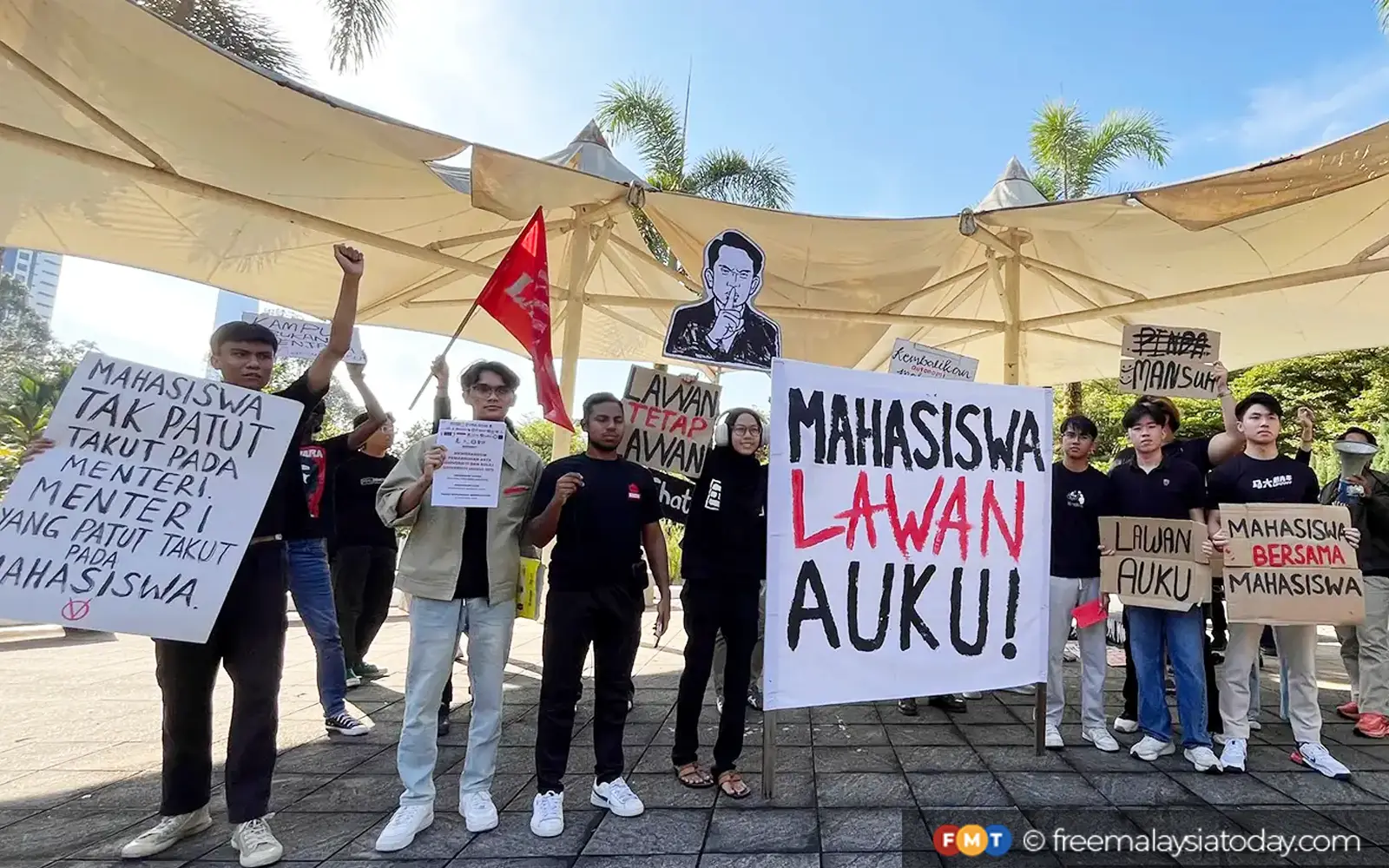
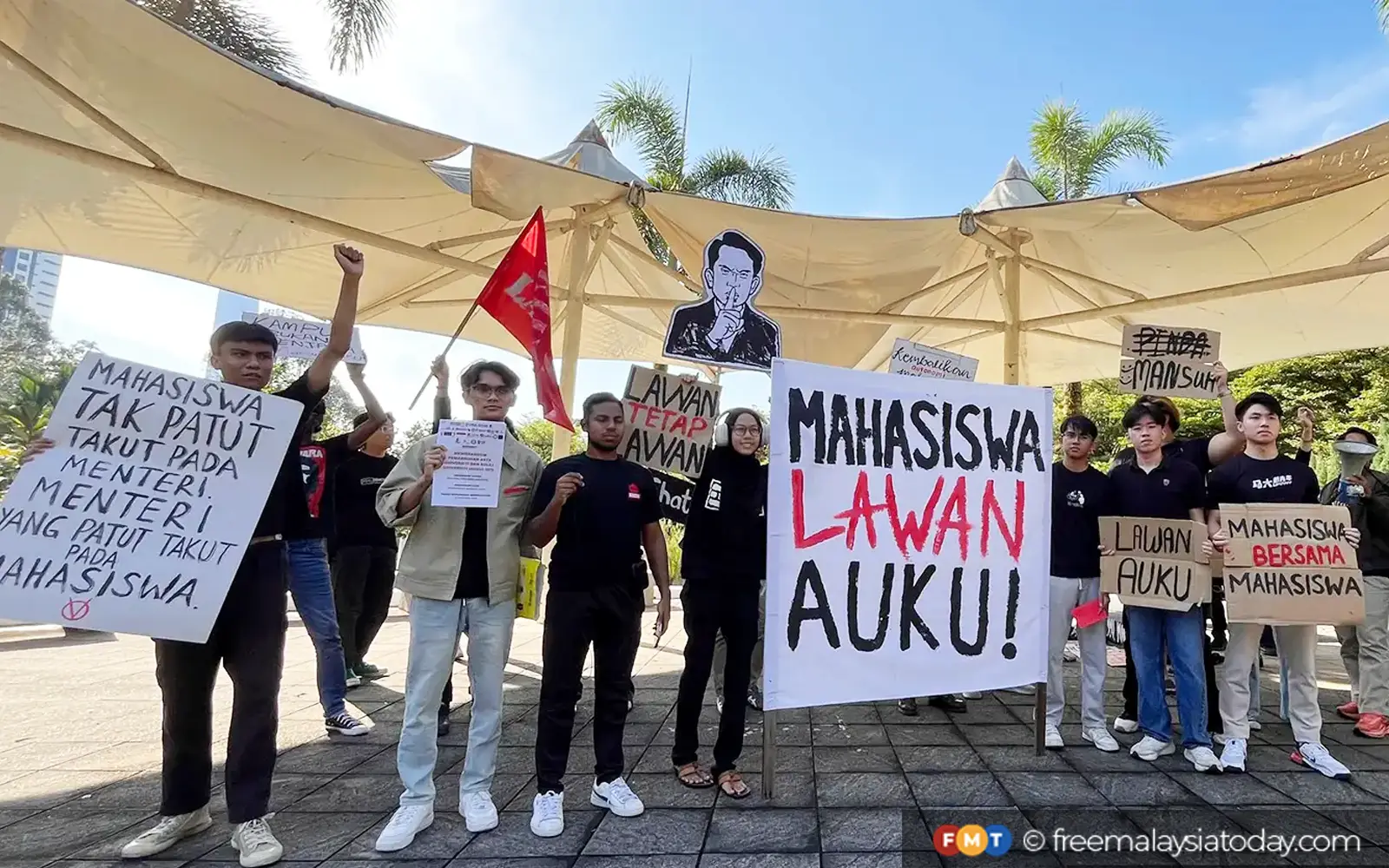
Indonesia's president-elect Prabowo Subianto's presidency is characterized by a style of unscripted and impulsive communication. His supporters view his direct and authentic manner as refreshing, while critics argue that it often results in significant verbal mistakes with serious domestic and international implications. During a business summit, he claimed that Iran already possesses nuclear weapons, and he has publicly labeled critical journalists, researchers, and civil society groups as "black Dutchmen" or foreign servants.
These incidents have led to diplomatic clarifications to maintain Indonesia's nonaligned stance and condemnation from press groups and governance watchdogs.
Prabowo's communication style stems from his background as a former army general and political figure, who is comfortable speaking in front of cameras and frequently interact with the public. However, his habit of deviating from prepared speeches in favor of spontaneous delivery poses structural risks. Improvisation can project warmth or strength in a campaign rally, but when a head of state deviates from the script, the consequences can be legal, economic, and diplomatic.
When Prabowo departs from his brief, he tends to use dark humor, inflated figures, or combative remarks instead of precise policy arguments.
Prabowo often borrows his style, volume, and nationalist tone from the country's first president, Sukarno. However, this comparison is not entirely accurate. While Sukarno infused his speeches with complex political ideas and poetic language, Prabowo's rhetoric is more transactional, focusing on realpolitik, security threats, and concerns about the leakage of national resources.
Ultimately, spontaneity is not inherently a communication asset, especially when it leads to confusion, public backlash, and erosion of institutional trust.
Written by urgent.news from The Jakarta Post's reporting — not their text. Machine-written — may contain errors; check the original before relying on it.