Africa’s Nuclear Plans Lack the People to Run Them, Ghana Warns
A dozen African countries want nuclear power. The buildings are the easy part. The post Africa’s Nuclear Plans Lack the People to Run Them, Ghana Warns appeared first on The Rio Times .
Africa's nuclear power aspirations are hampered by a critical shortage of skilled workers to operate and maintain the technology, a warning issued by Ghana's Atomic Energy Commission (GAEC) on 19 August 2026. Prof. Abdulai Baba Salifu, Chair of the GAEC Governing Board, has labeled the human capital crisis as "one of the biggest systemic risks" to Africa's emerging nuclear programs, ahead of technology and finance.
This shortage, based on International Atomic Energy Agency (IAEA) data, is one of 19 essential pillars in the agency's Milestone Approach to nuclear infrastructure development. The global nuclear workforce is aging, with 25 percent over age 55, and 46 percent of nuclear companies reporting hiring difficulties. By 2030, technical and vocational shortages are projected to be 35 percent higher than current levels.
Africa faces an additional challenge through brain drain, as trained nuclear professionals seek opportunities in wealthier nations. Ghana has pursued nuclear ambitions since the 1960s, but only began large-scale infrastructure development in 2015 using the IAEA Milestone framework. The country is currently in Phase Two of this approach, needing to finalize decisions on technology vendors, financing, regulation, and workforce readiness before any construction.
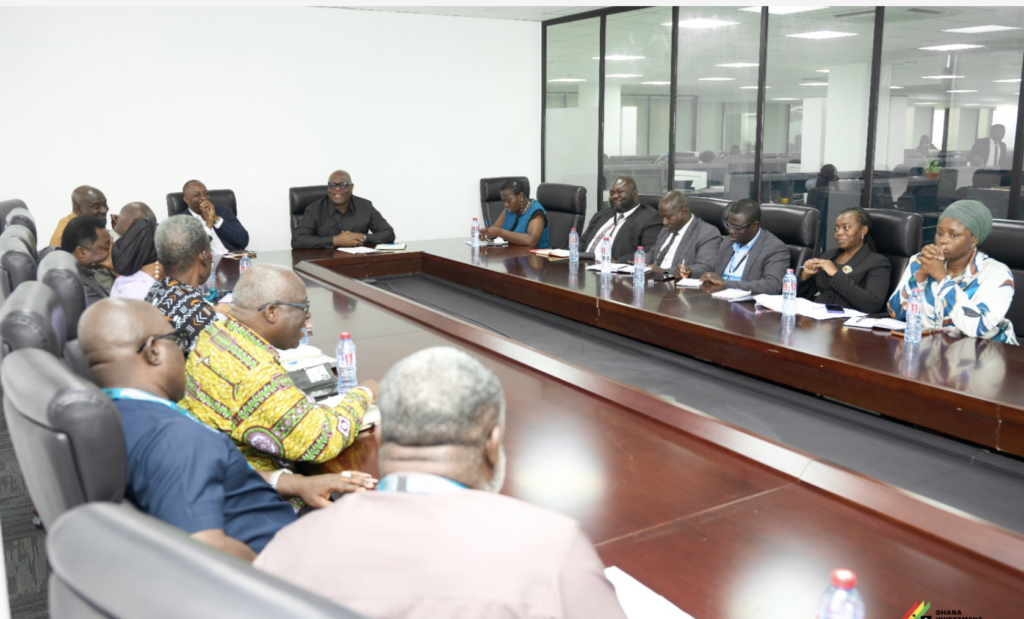
The US-Africa Nuclear Summit, held in Accra on 10 August 2026, was themed "Building and Sustaining Africa's Nuclear Workforce" and brought together key stakeholders to tackle the workforce deficit. GAEC Director Dr. Archibold Buah-Kwofie emphasized that having the technology is insufficient without the human resources to operate it effectively.
However, Ghana's nuclear program is struggling with high staff attrition, low pay, and limited government funding, leading to a brain drain of trained scientists. GAEC has attempted to address this by constructing a 48-unit residential complex for staff in 2026, highlighting the importance of retaining skilled personnel. The Nuclear Business Platform estimates Africa could add up to 15,000 megawatts of nuclear capacity by 2035, requiring significant investments.
South Africa, the only African nation currently operating a commercial nuclear plant, faces similar workforce challenges. The United States is leveraging its nuclear cooperation and workforce development as a diplomatic tool across Africa, with initiatives like the FIRST Initiative in Ghana aimed at developing nuclear simulators and welding certifications.
Russia's Rosatom offers comprehensive packages including financing, construction, and training, creating a competitive landscape not only over reactor construction but also the standards and simulators that define Africa's nuclear skill base. The Accra summit is seen as a crucial step to address this critical bottleneck and establish Africa's nuclear workforce for future projects.
Written by urgent.news from The Rio Times's reporting — not their text. Machine-written — may contain errors; check the original before relying on it.