African content has found a global market. Now comes the fight over the money
That visibility is one of the clearest signs of how much Africa’s entertainment industry has changed. A decade ago, the challenge was getting African stories beyond their home markets.
When Sello Maake Ka-Ncube returned to an airport in Ethiopia, he encountered an unexpected surprise. People recognised him from Blood & Water, a Netflix series that had become a hit beyond Africa. During his European travels, he was again recognised by Spaniards. Maake Ka-Ncube, a South African actor, believes that these productions bring visibility to actors and South African storytelling.
However, the next challenge is how to distribute the money generated by those stories. Africa's streaming market is projected to be worth $3.1 billion by 2031, with a substantial growth rate of 72% from 2026 to 2031. Yet, this growth does not guarantee a stronger creative economy. Despite creating jobs, attracting international audiences, and garnering millions of viewing hours, the creators of these productions may not benefit significantly from the money they generate.
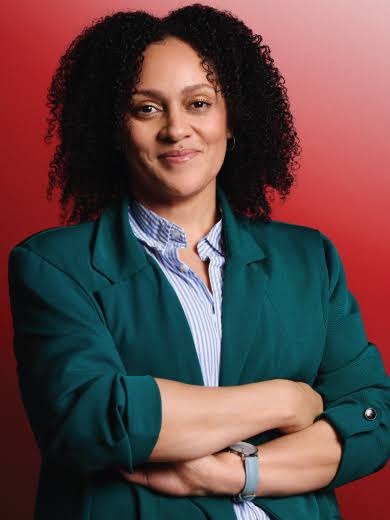
Netflix, which has been building its presence in Africa for a decade, argues that it is not responsible for creating African storytelling talent. Instead, their role has been to provide a global distribution system for that talent. Kaye Ann Williams, Netflix's director of scripted content for Africa, emphasizes that the company has focused on removing barriers that previously kept African stories local.
They have invested in subtitling, dubbing, and localisation to help African productions reach a global audience. The company's investments in South African, Nigerian, and Kenyan local content have supported more than 12,000 jobs, and the broader South African production economy has attracted international money, generating significant revenue for hotels and other suppliers.
However, the distinction between production spending and ownership remains crucial. Netflix's model primarily involves paying talent and production companies upfront, without a clear structure for ownership.
Written by urgent.news from TechCabal's reporting — not their text. Machine-written — may contain errors; check the original before relying on it.