Africa: Five African Countries End Polio Outbreaks
[WHO-AFRO] Brazzaville - Following rigorous technical assessments, five African countries have successfully stopped the spread of polio, marking an important milestone in efforts to protect children from this virus and advance towards eradication.
Following thorough assessments, five African nations have successfully halted the spread of polio, a significant step in safeguarding children from the virus and progressing towards its eradication. The Independent Outbreak Response Assessment (OBRA) teams evaluated disease surveillance, laboratory, and epidemiological data between January and June 2026, finding that transmission had been halted in Burundi, Ghana, Guinea-Bissau, Republic of Congo, and Uganda.
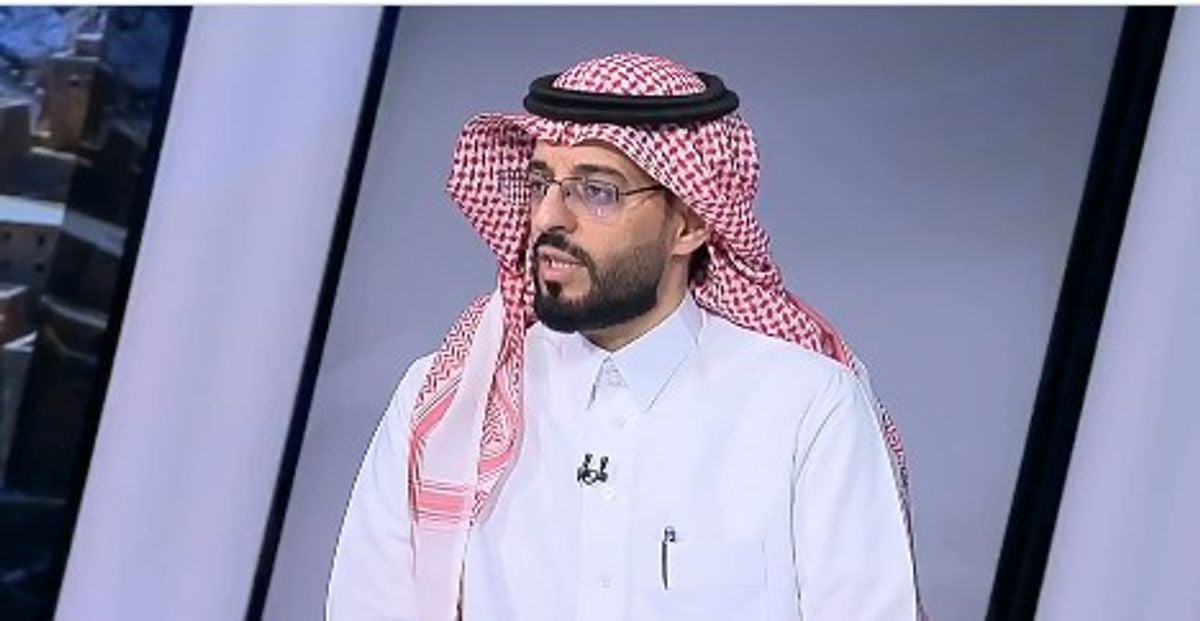
The WHO Regional Office for Africa validated these findings, declaring the end of poliovirus type 2 outbreaks in these countries. Dr. Mohamed Janabi, WHO Regional Director for Africa, highlighted the importance of these closures, attributing them to strong national leadership, committed health workers, and effective collaboration among governments, communities, and partners.
"While this is a monumental milestone, vigilance remains crucial," Dr. Janabi emphasized, stressing the continued necessity of robust surveillance and high immunization coverage to protect children and avert future outbreaks.
These achievements, rooted in years of persistent government commitment and the tireless efforts of health workers, communities, and partners, underscore the critical role of rapid detection, strong leadership, sustained disease surveillance, community involvement, and effective immunization campaigns in interrupting poliovirus transmission.
Notably, all five countries have demonstrated that these strategies are vital, regardless of their unique circumstances. In the Republic of Congo, authorities enhanced surveillance and executed multiple high-quality vaccination campaigns following virus detections, most recent in December 2023. In Burundi, where a poliovirus type 2 outbreak was identified in March 2023, health authorities swiftly intensified routine vaccinations and surveillance, backed by the Global Polio Eradication Initiative (GPEI).
Targeted vaccination drives, enhanced epidemiological investigations, and expanded environmental monitoring played a crucial role in halting transmission and protecting children from polio. Uganda intensified disease surveillance and response efforts post the May 2024 poliovirus detection, maintaining robust coordination across national and subnational levels.
Ghana bolstered its lab capacity alongside robust disease surveillance and swift outbreak response initiatives, enhancing its readiness to identify and address poliovirus and other vaccine-preventable diseases. Guinea-Bissau has prioritized reaching underserved communities through targeted vaccination campaigns and heightened disease surveillance, culminating in no poliovirus detections since July 2021.
Despite these successes, the risk of poliovirus reimportation persists, as evidenced by Madagascar's recent outbreak following its previous closure. This reminder highlights the ongoing need to maintain high-quality surveillance and robust immunity levels. Mike McGovern, Chair of the GPEI Polio Oversight Board and Rotary International’s International PolioPlus Committee, celebrated these milestones, crediting governments, communities, and frontline health workers for their relentless dedication.
"These milestones mark a pivotal victory for children across Africa," said Mike McGovern. "Rotary stands firmly with our partners in this crucial fight against polio."
UNICEF Regional Directors Etleva Kadilli and Gilles Fagninou echoed this sentiment, stressing that these achievements belong to the tireless efforts of governments, communities, and health workers. While the closure of outbreaks is a significant accomplishment, it is but one step in a larger journey. "Our focus must remain on bolstering routine immunization and ensuring every child receives essential vaccines to sustain these gains," emphasized Thabani Maphosa, Gavi’s Chief Country Delivery Officer.
The investments these countries made in modernizing their polio laboratory networks, enhancing diagnostic capabilities, and leveraging geospatial technologies to ensure comprehensive outreach have been instrumental in their achievements. As the region continues its fight against polio, these successes serve as a beacon of hope and a reminder of the resilience and determination required to eradicate this debilitating disease once and for all.
Written by urgent.news from AllAfrica's reporting — not their text. Machine-written — may contain errors; check the original before relying on it.