A tiny insect, a deadly enemy: how medicine’s discovery of its impact shaped health and town planning
The understanding that mosquitoes could cause malaria and other diseases did more than solve a biological mystery. It completely changed disease control: drainage of stagnant water, environmental sanitation, mosquito nets, screening of houses and later, insecticides became important public health tools
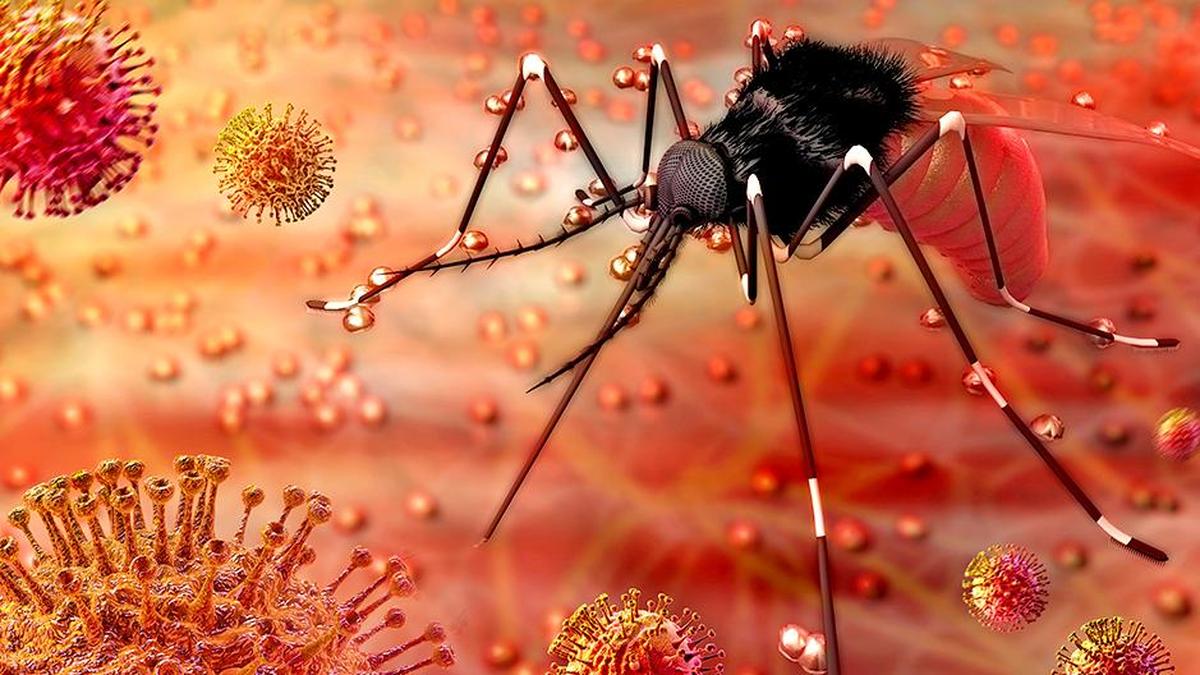
The discovery of mosquitoes' role in transmitting malaria had a profound impact on medicine and town planning. In 1897, British medical officer Ronald Ross examined a mosquito's stomach and found that it contained structures that later proved to be malaria parasites. This revelation, which occurred within a modest laboratory in Secunderabad, marked a significant breakthrough in understanding the disease's transmission. World Mosquito Day, observed on August 20, commemorates this discovery in India.
The association of malaria with unhealthy air, as reflected in the term "malaria" derived from the Italian "mala aria," was a misconception. The disease's true cause was linked to stagnant water providing breeding sites for mosquitoes. In the late 19th century, the identification of the malaria parasite in human blood by French physician Alphonse Laveran and the subsequent experiments by Scottish physician Patrick Manson established mosquitoes as vectors for malaria transmission.
Ross, after meeting Manson, conducted extensive research in India to prove that mosquitoes could transmit the malaria parasite. He allowed mosquitoes to feed on infected individuals, dissected them under a microscope, and demonstrated the parasite's development and movement within the insects. This scientific evidence, particularly when corroborated by researchers in Italy, confirmed the transmission cycle of human malaria through Anopheles mosquitoes.
Ross's work culminated in receiving the Nobel Prize in Physiology or Medicine in 1902, highlighting the critical role mosquitoes play in the spread of malaria. The discovery shifted malaria control efforts from combating invisible "bad air" to targeting mosquitoes directly. Public health interventions such as drainage of stagnant water, environmental sanitation, mosquito nets, house screening, and later insecticides emerged as vital tools in preventing the disease.
Beyond its biological significance, the mosquito's role as a carrier of diseases like malaria, dengue, chikungunya, yellow fever, Zika, Japanese encephalitis, and lymphatic filariasis underscores its status as the world's deadliest creature. Mosquito control requires a multifaceted approach, as relying on a single strategy is ineffective.
India, where Ross conducted much of his groundbreaking research, has witnessed significant progress in reducing malaria and has set a goal of elimination by 2030. However, the ongoing challenges posed by dengue, chikungunya, and other vector-borne diseases highlight the need for continuous vigilance, early diagnosis, prompt treatment, robust vector control, and comprehensive environmental management.
Written by urgent.news from The Hindu - Sci-Tech's reporting — not their text. Machine-written — may contain errors; check the original before relying on it.
This story
This is one outlet's version. Read the fullest account.