Why the Supreme Court upheld hanging as a constitutional mode of execution
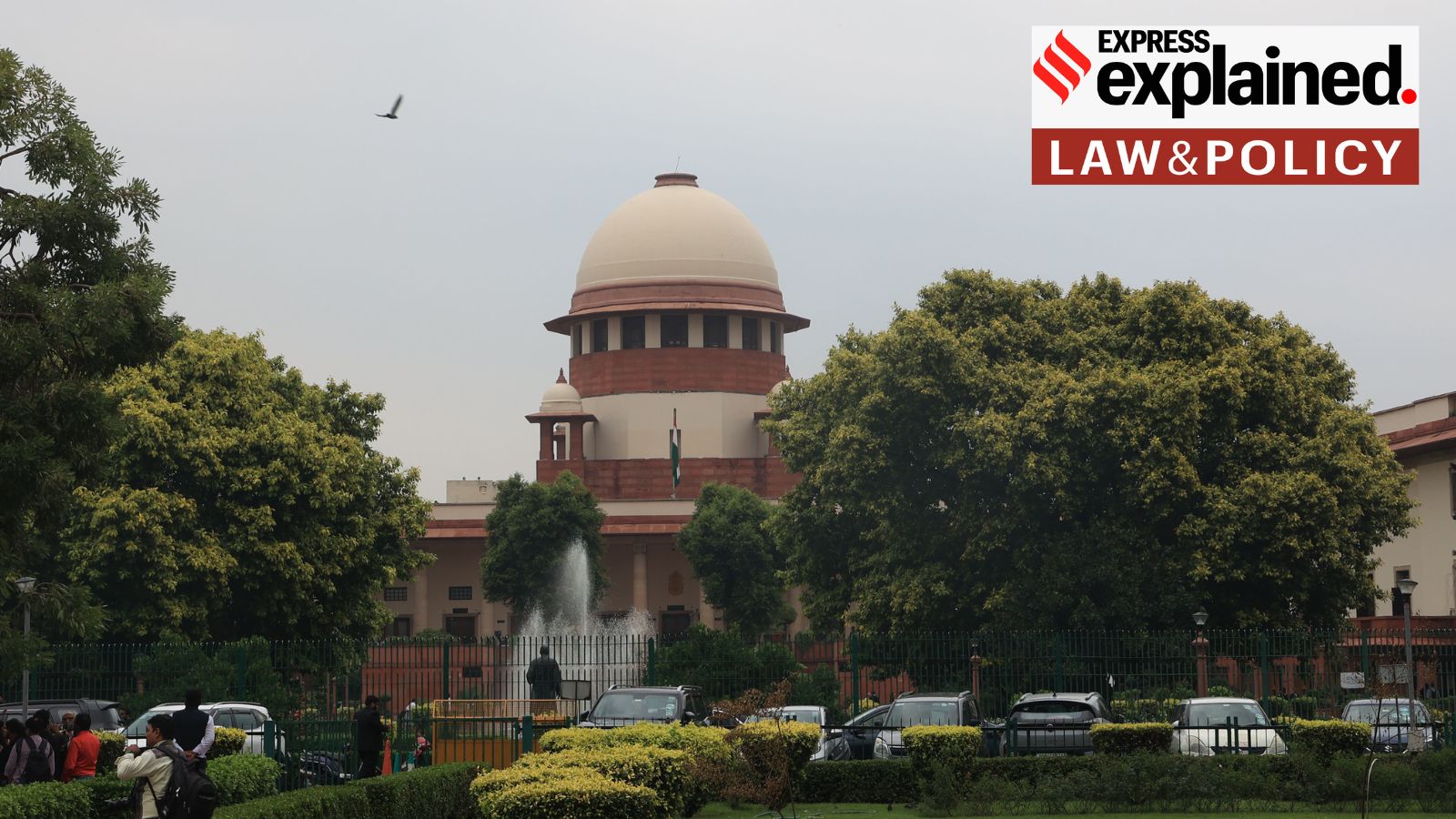
On August 18, the Supreme Court upheld hanging as a constitutional form of execution, stating that the method remains valid even if it was devised in colonial India. The bench, consisting of Justices Vikram Nath and Sandeep Mehta, dismissed a petition arguing that hanging is scientifically unreliable and violates the right to a dignified death under Article 21 of the Constitution.
The court found that the petitioners had not established any advantages of alternative methods such as lethal injection, electrocution, lethal gas or shooting over hanging. It also noted that the Law Commission of India had recommended lethal injection as an alternative but Parliament had retained hanging in the existing law. The court highlighted that since 2003, only eight executions have taken place in India and that no botched execution had ever been recorded, while lethal injection in the US has seen documented failures.
The Court found that hanging, when properly administered, causes no greater pain than other methods and avoids barbarity, torture, and degradation.
Written by urgent.news from The Indian Express's reporting — not their text. Machine-written — may contain errors; check the original before relying on it.
This story
This is one outlet's version. Read the fullest account.
- All Tamil Nadu MLAs to get car and assistant for constituency work: CM Vijay in Assembly thehindu.com
- Senior advocate Pradeep Rai elected new Supreme Court Bar Association president hindustantimes.com
- DP leader urges Supreme Court chief to resign over written recommendation of new justices en.yna.co.kr