Why Kerala declared tidal flooding a State-specific disaster | Explained
Decision comes in response to recurrent flooding from rising sea levels, especially during full and new moons, which has resulted in loss of life and property in low-lying areas. Victims will now receive financial assistance similar to that for other natural disasters
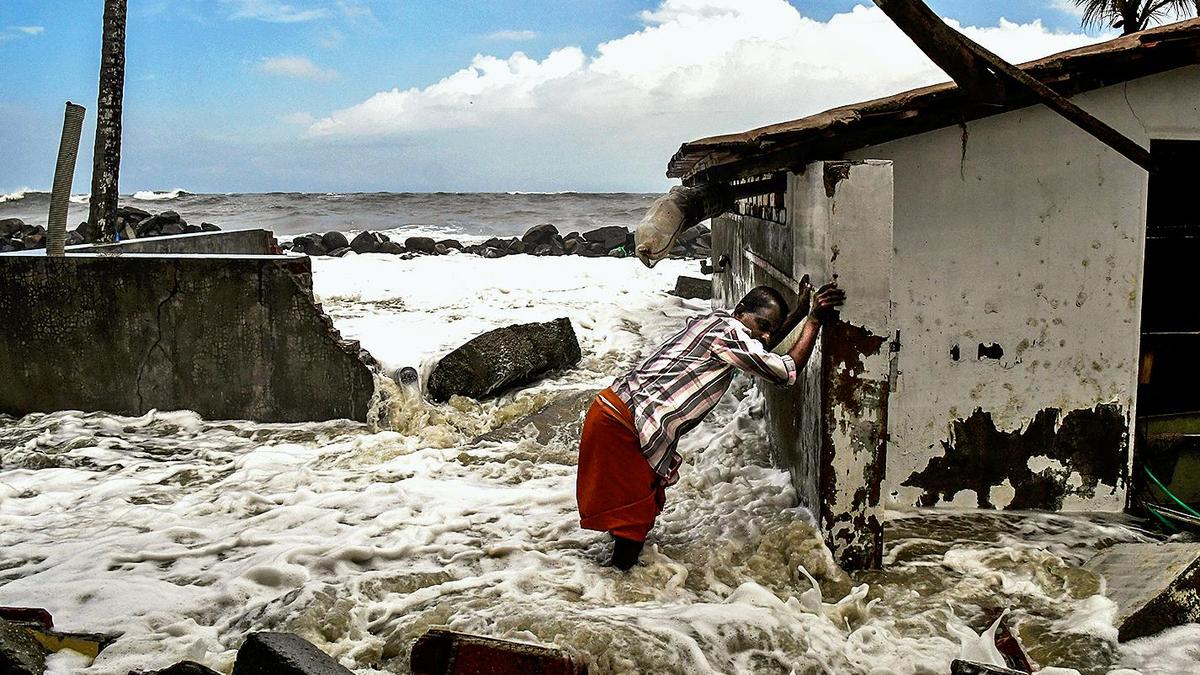
Kerala has declared flooding caused by rising tides along its extensive coastline as a State-specific disaster. This decision was made after a government order was issued, providing financial assistance to victims of these floods, similar to aid given to those affected by natural disasters through the State Disaster Response Fund (SDRF).
This marks the first instance in the country where a state has classified tidal flooding as such a disaster. Tidal flooding is a frequent occurrence along Kerala's coastline, where the Arabian Sea occasionally experiences temporary rises above a predetermined level, leading to the inundation of low-lying coastal areas. This is distinct from flooding caused by cyclones, which are storm surges that occur once a day and tend to be less severe.
However, tidal flooding can be especially damaging during full or new moon phases when the phenomenon happens twice a day and is exacerbated by high tides. The severity of the issue is heightened when coastal storms, triggered by meteorological conditions, align with high tides, resulting in deeper and more extensive flooding. This type of flooding is particularly problematic in nine coastal districts of Kerala, where the combination of spring tides can further exacerbate the situation.
Written by urgent.news from The Hindu's reporting — not their text. Machine-written — may contain errors; check the original before relying on it.
This story
This is one outlet's version. Read the fullest account.