Why China will need a ‘more persuasive security offer’ to win over middle powers
Just weeks before Chinese leader Xi Jinping is due to visit the White House, tensions have flared between Washington and its allies after one of the administration’s sharpest rebukes yet. Speaking in Manila on August 10, Elbridge Colby, undersecretary of defence for policy, pressed regional partners to increase defence spending and align more closely with American priorities. He said Washington…
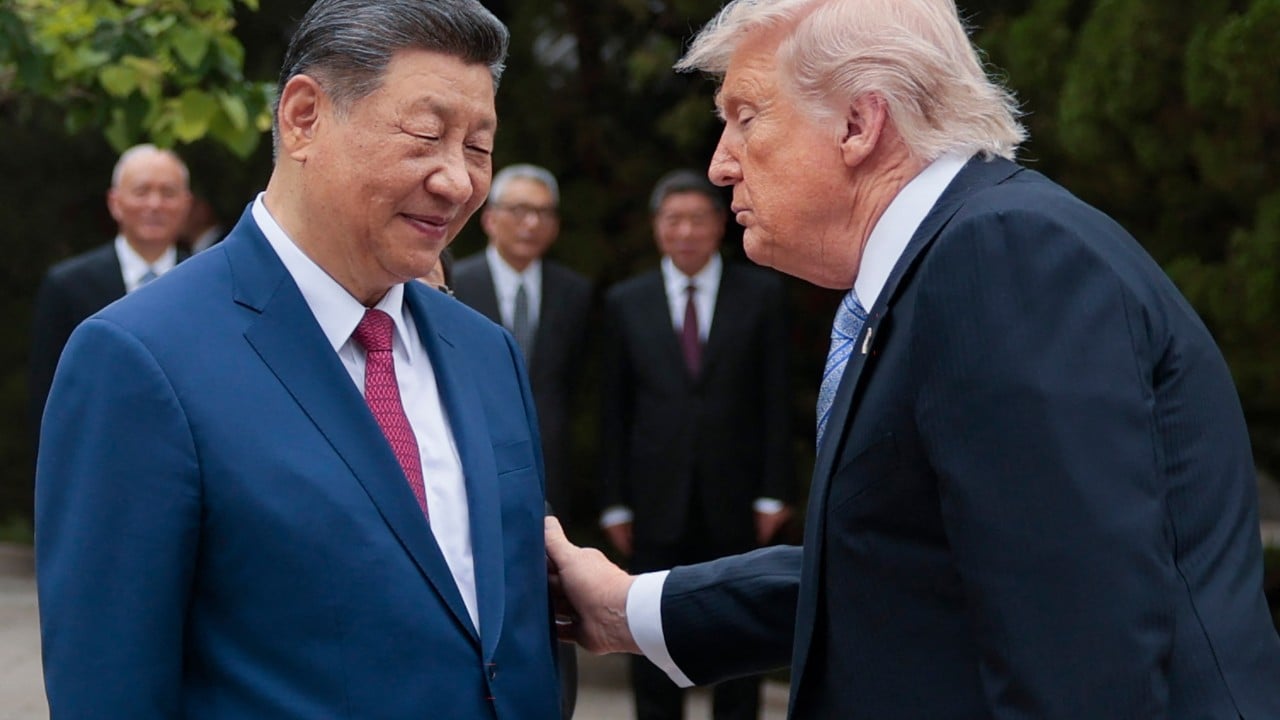
As Chinese President Xi Jinping prepares to meet with U.S. counterpart Joe Biden at the White House, tensions have escalated between Washington and its allies following a recent rebuke from the U.S. administration. During a speech in Manila on August 10, U.S. Under Secretary of Defense for Policy Elbridge Colby urged regional partners to boost defense spending and better align with American interests.
Colby emphasized that Washington seeks "partners, not protectorates" and cautioned against superficial ideas like middle-power alliances that aim to exclude the U.S. His comments echoed statements made in mid-July, where Colby dismissed the middle-power strategy as based on a "faulty understanding" of international relations.
These remarks have fueled debate among U.S. allies over how to reduce reliance on Washington while avoiding Beijing's sphere of influence during the volatile Trump era. Some analysts suggest Colby's stance reflects the administration's "flexible realist" approach, seeking more from partners while discouraging coordination that doesn't involve Washington. However, critics argue that such tactics risk pushing allies to hedge and diversify, potentially undermining U.S. primacy.
China, for its part, has been actively promoting its vision of a multipolar world as an alternative to U.S. dominance. However, experts remain skeptical about Beijing's ability to provide reliable security assurances. While middle powers may benefit from China's expanding markets and infrastructure projects, the strategic benefits of relying on China are limited, according to analysts. They highlight that China's partnerships are often selective, transactional, and lack dependable security guarantees.
As the U.S.-China rivalry intensifies, countries caught in the middle face a complex dilemma: balancing the American security umbrella, avoiding overexposure to Beijing, and building domestic and minilateral capacity to avoid being trapped by either superpower. Countries like Japan and South Korea have expanded cooperation with like-minded states while maintaining strong ties to the U.S., while Australia and India have taken steps to harden their defenses and deepen military and economic cooperation with the U.S. Meanwhile, India's doctrine of "multi-alignment" reflects its efforts to maintain strategic autonomy through engagement with multiple powers.
Written by urgent.news from Reuters Business via SCMP's reporting — not their text. Machine-written — may contain errors; check the original before relying on it.