Commentary: America’s reassurances about the Indo-Pacific leave room for doubt
Washington’s words and actions invite questions about whether its strategic view of the Indo-Pacific region has changed, says RSIS’ Sinderpal Singh.
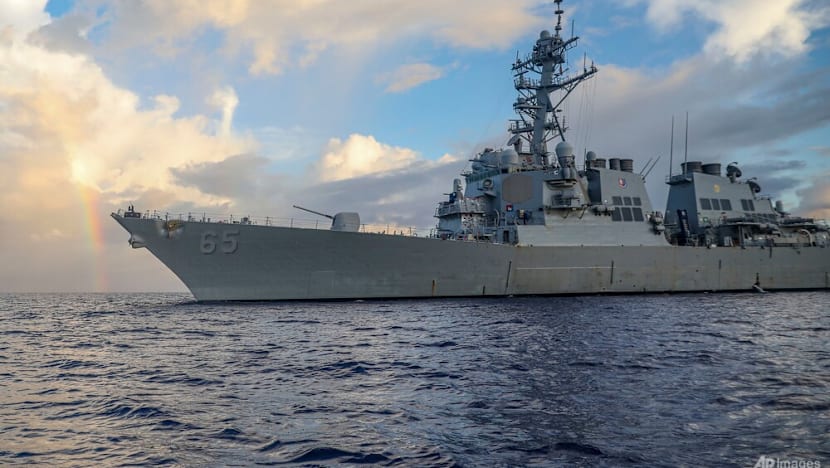
Washington's reassurances about its role in the Indo-Pacific region raise doubts, according to the Resident Security Studies Institute's Sinderpal Singh. In his first official visit to Southeast Asia, US Under Secretary of War for Policy Elbridge Colby emphasized heightened US engagement in the area but added that this commitment is accompanied by a demand for greater efforts and contributions from allied and partner nations.
Colby also criticized alliances that exclude the US, arguing for a more integrated approach to defense capabilities. However, these qualifications may make observers question whether the strategic view of the Indo-Pacific has changed. The dropping of "Indo" from "Indo-Pacific" may signal a shift in the US approach, as the second Trump administration favors direct deal-making over regional frameworks.
This change could indicate a refocus on East Asia, particularly in response to China's growing influence. Nonetheless, this shift has not reassured US partners and allies in the region, as evidenced by recent US military actions, such as scaling back joint drills with South Korea and evaluating exercises in the region to maintain readiness for various commitments, including in the Middle East.
The perception of threats in the Indian and Pacific oceans differs between the US and India. While the US primarily concerns itself with threats from Iran and other regions, India views the Indian and Pacific oceans as a single strategic space, with China's growing presence posing significant challenges. This disparity may explain the US's return to the old Pacific Command name.
Despite the narrowing focus of the Indo-Pacific architecture, its utility remains for states in the region due to the convergence of security threats posed by China's growing influence.
Written by urgent.news from Channel News Asia's reporting — not their text. Machine-written — may contain errors; check the original before relying on it.