What does a hit film about the Iraq war say about Chinese views of the world?
A new film telling the story of the Iraq war through Chinese eyes marks the latest in a series of soft power initiatives designed to get Beijing’s message across to the wider world. Although Once Upon a Time in the Middle East does not explicitly state the name of the country in question, it is set in the 2000s and features an invasion by American troops. The film’s central character, a Chinese…
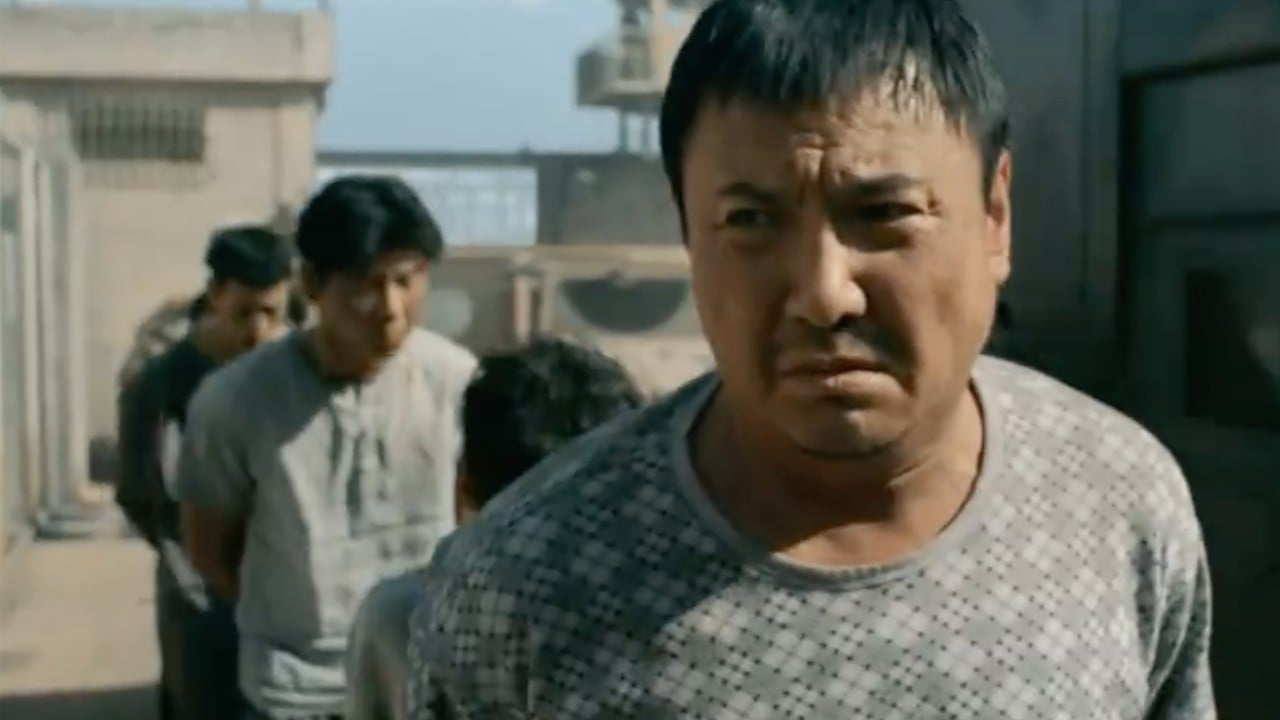
The new Chinese film, "Once Upon a Time in the Middle East," explores the Iraq War from a Chinese perspective, signaling a shift in how the nation frames its narrative in global affairs. While the film doesn't explicitly mention the Iraq War's specific country, it's set during the 2000s and depicts American troops' invasion. The story follows a Chinese chef named Xu Fu, who, working off his debts when the war begins, transforms his restaurant into a sanctuary for local orphans and a refuge for American soldiers.
Despite facing numerous hardships, including business destruction and imprisonment by both Americans and militants, Xu Fu perseveres in protecting the children from conflict.
State media has acknowledged that the film is based on real-life experiences of Chinese restaurateurs who lived through the war in Iraq. The film was largely shot in China and debuted on August 11, quickly surpassing a box office milestone of 1 billion yuan (US$148 million). Its release extends beyond China's borders. Yuyuan Tantian, a state broadcaster-affiliated social media channel, stated that the film signifies China's "beginning to frame the narrative itself."
The channel emphasized that narrative is a form of power, and for decades, the West has dominated the discourse around "terrorism," "freedom," and "human rights." China is now challenging this dominance, according to the channel.
Social media commentator Jodie Wen, a fellow at Tsinghua University's Centre for International Security and Strategy, noted that the film provides global audiences with a clearer understanding of China's anti-war stance. She added that it reflects China's evolving role in the region, where it now has genuine interests rather than merely being a bystander.
Wen argued that the film doesn't portray all American soldiers negatively but clearly indicates that the "ultimate cause of all these hardships and disasters" stems from the "overly heavy-handed intervention by the US." The film avoids a "Hollywood-style saviour narrative" and instead steps away from portraying the Middle East as helpless and needing a Chinese hero, Wen added.
China's shift towards soft power initiatives through cinema has intensified in recent years. Earlier this year, the indie film "Dear You," which told the story of the Chinese diaspora in Southeast Asia and their efforts to preserve their heritage, became a surprise box office hit. The film's success led to a special screening for 150 foreign diplomats and their families in China.
However, the success of "Once Upon a Time in the Middle East" has also raised concerns in Southeast Asia about China using cinema to advance its political and cultural influence over the diaspora. Chinese media has strongly refuted these accusations.
Written by urgent.news from South China Morning Post's reporting — not their text. Machine-written — may contain errors; check the original before relying on it.
This story
This is one outlet's version. Read the fullest account.