US ICC Sanctions Pose a Test for Japan
Japan’s only treaty ally sanctioned the ICC president – who happens to be a Japanese national. That embodies Japan’s rule-of-law conundrum.
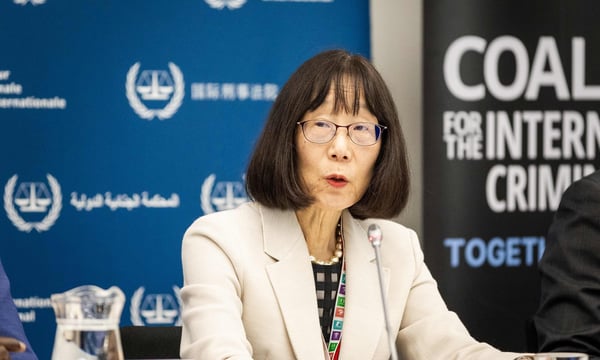
In August, the United States imposed sanctions on International Criminal Court (ICC) President Akane Tomoko. Tokyo responded swiftly and cautiously, with the Foreign Ministry calling the move "very unfortunate" and reaffirming Japan's support for the ICC and rule of law. Prime Minister Takaichi Sanae also expressed her disagreement with the sanctions.
Despite the sanctions, Japan remains a staunch supporter of the ICC, becoming a state party to the Rome Statute in 2007. Akane, a Japanese judge, has been personally targeted by the sanctions, along with Senegalese ICC lawyer Abdoulaye Seye. The sanctions are part of the Trump administration's campaign against the ICC. The ICC strongly rejected the sanctions, calling them a "flagrant attack" on the independence of an impartial judicial institution.
European leaders have rallied behind Akane and the ICC, emphasizing the need for judicial independence. In Japan, cross-party parliamentary groups and opposition leaders have strongly condemned the sanctions, urging Tokyo to protest and demand their withdrawal. The controversy highlights the tension between Japan's commitment to the rule of law and its alliance with the United States. Tokyo has to walk a tightrope, balancing its security interests with its diplomatic principles.
Written by urgent.news from The Diplomat's reporting — not their text. Machine-written — may contain errors; check the original before relying on it.