Treat health as a public good, not a market opportunity
On World Humanitarian Day, let it be underscored that the measure of health systems should not be how much profit they can generate, but whether a person with the least power can receive timely, affordable, respectful care
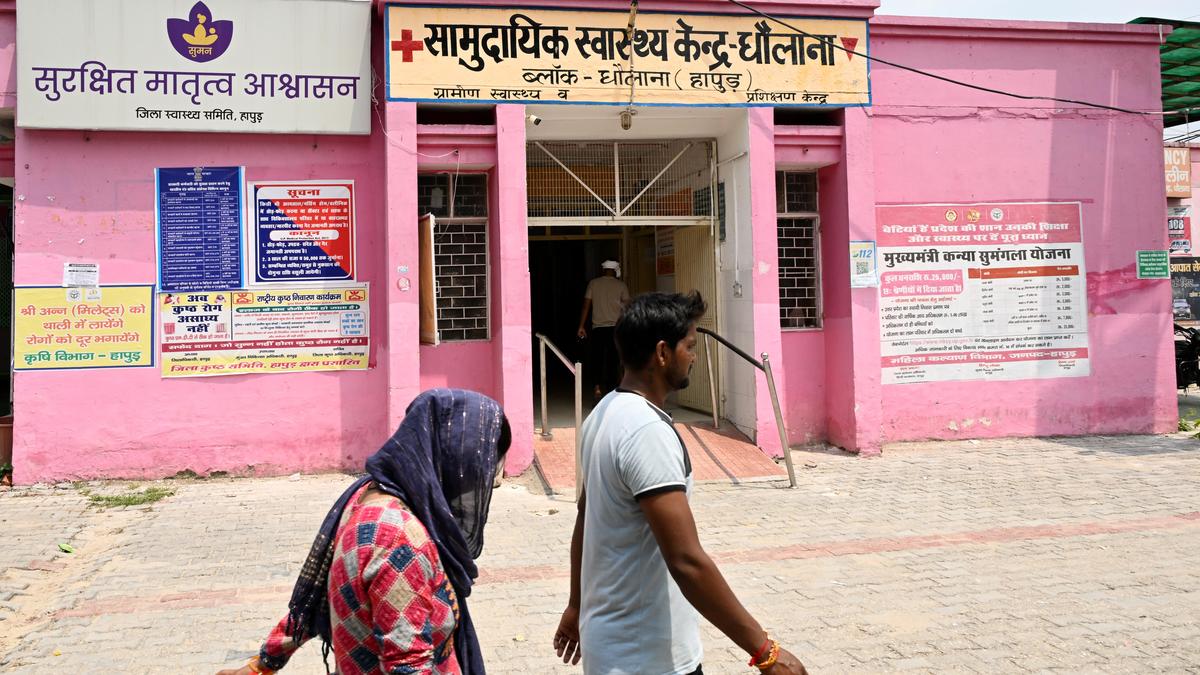
On World Humanitarian Day, we recognize the heroes who provide care in times of crisis and the communities who face them. When we think about health crises, we often consider large-scale disasters like disease outbreaks, armed conflict, or extreme weather events. However, today, let's examine the less obvious kind of crisis that develops over years and decades, fueled by inefficient policies and profit-driven systems.
South Asia is home to skilled medical professionals, pharmaceutical capabilities, public health expertise, and resilient communities. Yet, it also grapples with preventable illness, malnutrition, infectious diseases, climate-related health risks, and high out-of-pocket expenditures. For many, a health crisis begins when a treatable condition becomes unaffordable, diagnosis comes too late, or when families must choose between essential needs and medical expenses.
Médecins Sans Frontières/Doctors Without Borders (MSF) has witnessed firsthand the consequences of this crisis. People in South Asia often reach out for free care only after they've depleted their savings, sold assets, borrowed money, or spent heavily on private health facilities. The warning signs are clear: out-of-pocket expenditures remain a significant barrier to care; economic and social costs rise when families become impoverished due to illness; and rising medical costs strain an already vulnerable healthcare system.
While public spending on healthcare has increased in India over the past few years, it still lags behind other countries like China, Brazil, and many OECD nations. Additionally, 71% of workers pay for healthcare out-of-pocket, with only 15% having employer-supported insurance. Insurance alone cannot replace the need for public investment in healthcare infrastructure, including primary care clinics, reliable laboratories, affordable medicines, and comprehensive support services.
Public health systems are not just about treating disease; they lay the foundation for a society's future productivity, resilience, and dignity. By investing in public healthcare, South Asia can improve learning outcomes, increase workforce participation, and promote long-term wellbeing. Moreover, South Asia's health challenges extend beyond its borders, as outbreaks, antimicrobial resistance, climate shocks, and access to medicines pose regional threats.
Strengthening public health systems is essential for regional preparedness, as health issues cannot be contained within national boundaries.
To ensure long-term health security, South Asia must treat health as a shared public good. This means prioritizing sustained investment in public health infrastructure, robust primary care networks, trained medical professionals, and a commitment to equitable access. India, as the region's largest country and a significant contributor to medical research and technology, plays a crucial role in shaping the future of healthcare in South Asia.
On World Humanitarian Day, let us acknowledge those who respond to crises and reflect on how we can build a healthier, more resilient region by treating health as a public good, rather than a market opportunity.
Written by urgent.news from The Hindu - Sci-Tech's reporting — not their text. Machine-written — may contain errors; check the original before relying on it.
This story
This is one outlet's version. Read the fullest account.