Treat health as a public good, not a market opportunity
On World Humanitarian Day, let it be underscored that the measure of health systems should not be how much profit they can generate, but whether a person with the least power can receive timely, affordable, respectful care
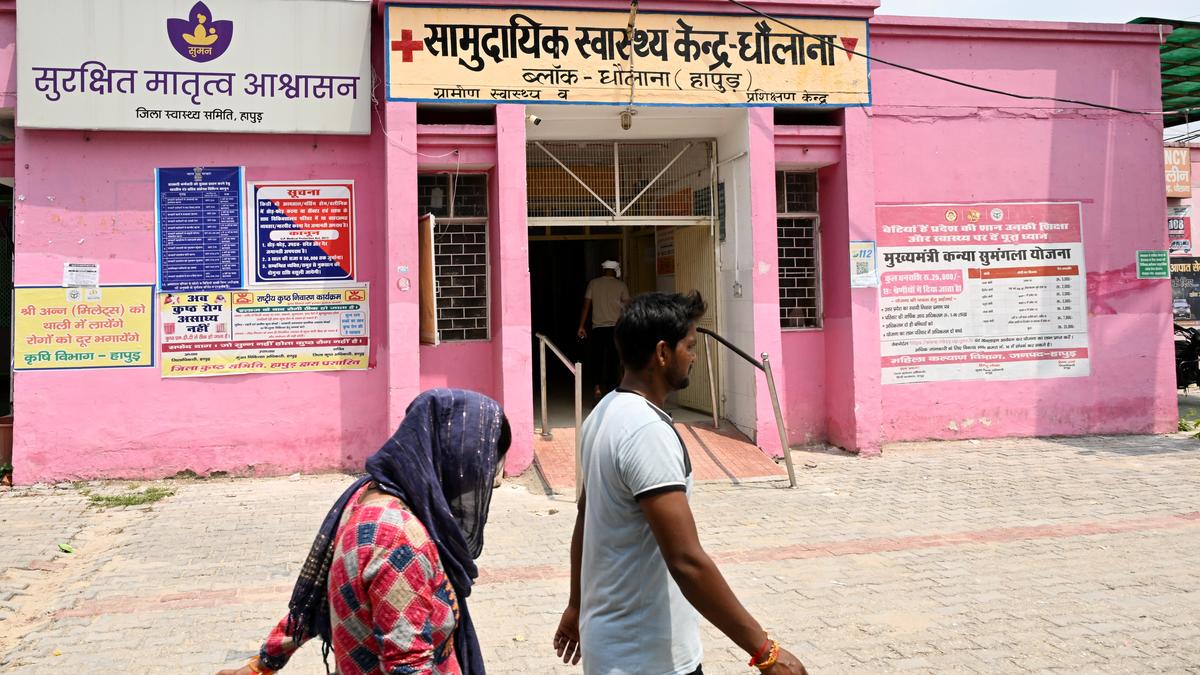
On World Humanitarian Day, we pay tribute to healthcare providers and impacted communities. While discussing health crises, let's examine those that develop over time, stemming from inefficient policies and profit-driven systems. South Asia, rich in medical expertise and public health experience, grapples with a pressing crisis.
By World Humanitarian Day, we should question why many endure health crises before receiving assistance. Médecins Sans Frontières/Doctors Without Borders encounters individuals who only seek care after depleting resources or exhausting private options, often with dire consequences. In India, out-of-pocket expenses surged 28.4% from 2018-19 to 2022-23, while public health funding trailed behind other nations.
Medical costs escalate, yet insurance alone cannot replace essential public investments. Public healthcare is not a luxury but a pillar for productivity, resilience, and dignity. Healthy individuals contribute to society, while neglect fuels poverty and social unrest. South Asia's challenges transcend borders, with shared threats including outbreaks, climate disasters, and drug-resistant infections.
Investing in public health systems is paramount for regional preparedness. Strengthening public medical education, research, and workforce planning is crucial, particularly in India, which leads in medicine production. Ultimately, South Asia's health security hinges on recognizing health as a collective public good.
Written by urgent.news from The Hindu Health's reporting — not their text. Machine-written — may contain errors; check the original before relying on it.