The “Kerry Cow” Wasn’t a Cow at All—And It Upends Stone Age Irish History
R.I.P. “Kerry cow” The post The “Kerry Cow” Wasn’t a Cow at All—And It Upends Stone Age Irish History appeared first on Nautilus .
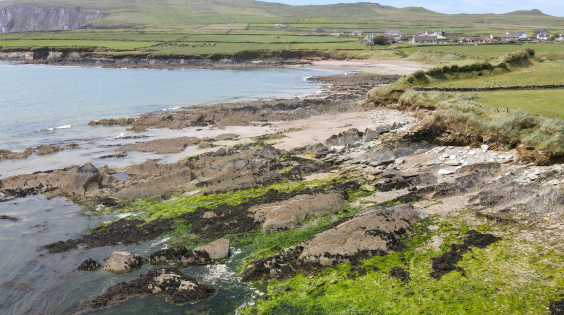
For decades, archaeologists have debated when agriculture arrived in Ireland, with the transition from hunter-gatherer Mesolithic culture to Neolithic society generally marked after 4,000 B.C. In 1980s excavations at a Mesolithic site in Kerry, unusual animal bones—once identified as those of cattle—were discovered. This "Kerry cow" discovery suggested that contact with European cultures occurred earlier than previously thought.
However, a recent study published in the journal Past has reexamined these bones using a more advanced method called ZooMs. The analysis revealed that the bones belonged to a wild boar and a bear, not cattle. This finding challenges the timeline of Ireland's agricultural history, suggesting that the island's early inhabitants relied on hunting and gathering practices for at least 4,000 years before adopting Neolithic farming methods.
Written by urgent.news from Nautilus's reporting — not their text. Machine-written — may contain errors; check the original before relying on it.