The CDC has a new director – now comes the hard part
Amid multiple disease outbreaks and intense political pressures, Director Erica Schwartz will need to defend scientific independence.
The Centers for Disease Control and Prevention (CDC) has appointed its first director to face Senate confirmation in nearly a year. Erica Schwartz, the new CDC director, was confirmed by the U.S. Senate on Aug. 5, 2026. This marks the second time Congress has required Senate approval for the agency's director, a change implemented as part of the Consolidated Appropriations Act of 2023.
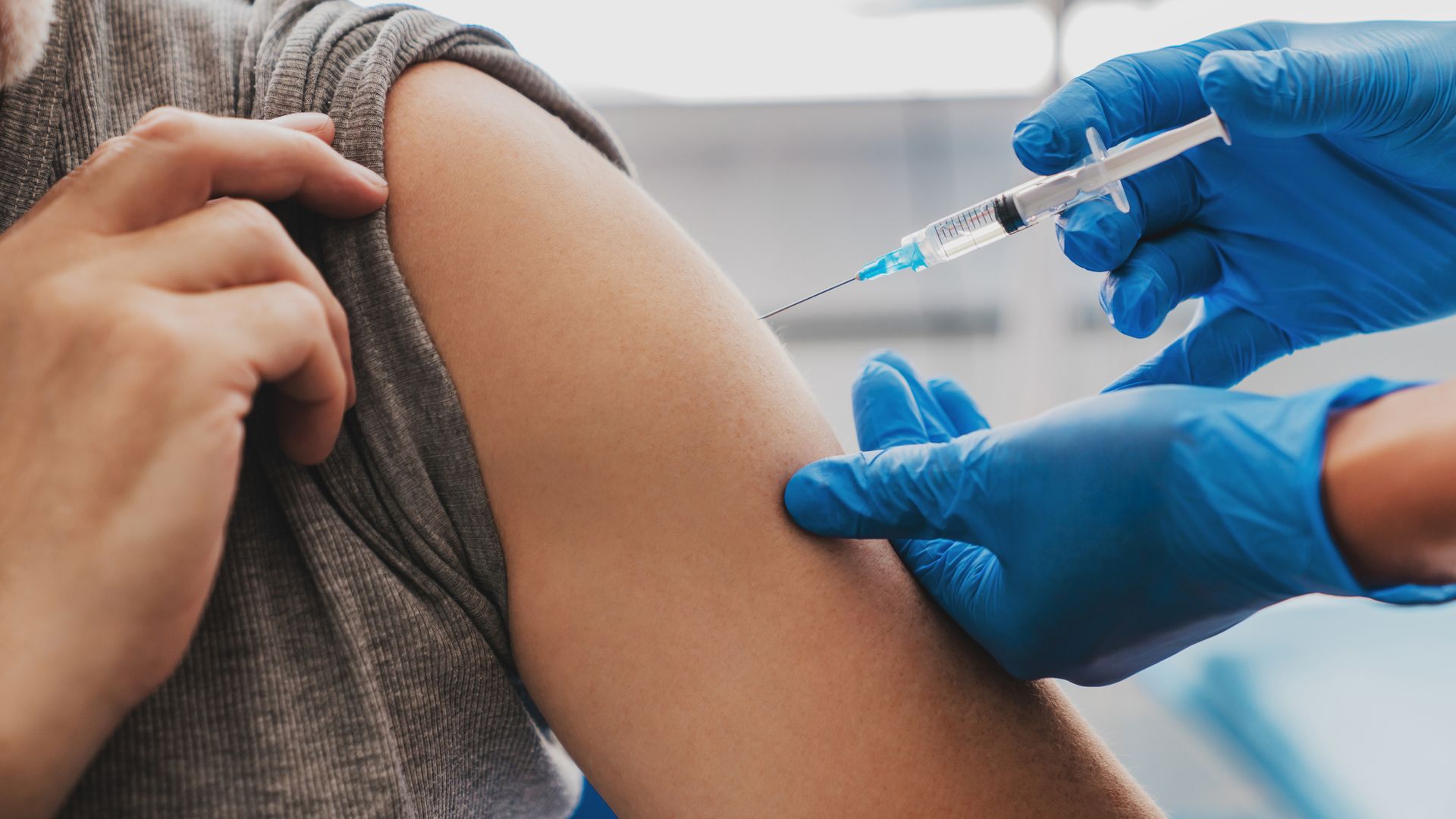
Today, the CDC is dealing with multiple ongoing outbreaks, including measles, cyclospora, and the second-largest Ebola outbreak recorded in the Democratic Republic of Congo. In addition, the Trump administration is altering federal childhood vaccine recommendations, potentially weakening protection against preventable diseases.
As public health matters become increasingly politicized, the CDC director must go beyond technical expertise and political skill. She must communicate clear, accurate guidance, even when the evidence conflicts with the preferences of the president or other health officials. Schwartz's confirmation process highlights the importance of public accountability and transparency in disease control.
While Senate confirmation creates a public record of the nominee's views and priorities, it does not guarantee scientific independence or restore trust in the agency. The real test for Schwartz will be how she uses her authority and whether Congress and the administration provide the necessary resources and support for the CDC to carry out its critical work.
Written by urgent.news from The Conversation's reporting — not their text. Machine-written — may contain errors; check the original before relying on it.